
Heart and Small Intestine Meridians for Yoga
In Chinese Medicine, the Heart and Small Intestine are paired. When looking at organs through the lens of Chinese Medicine, it’s important to remember that it’s concerned with relationships, interactions, and functions more than with physical location. So whenever the organs are discussed in Chinese Medicine, what’s usually being referred ...
Spleen and Stomach Meridians for Yoga
In Chinese Medicine, the Spleen and the Stomach are paired. When looking at organs through the lens of Chinese Medicine, it’s important to remember that it’s concerned with relationships, interactions, and functions more than with physical location. So whenever the organs are discussed in Chinese Medicine, what’s usually being referred ...
Liver and Gallbladder Meridians for Yoga
In Chinese Medicine, the Liver and Gallbladder are paired. When looking at organs through the lens of Chinese Medicine, it’s important to remember that it’s concerned with relationships, interactions, and functions more than with physical location. So whenever the organs are discussed in Chinese Medicine, what’s usually being referred to ...
Lung and Large Intestine Meridians for Yin Yoga
In Chinese Medicine, the Lungs and the Large Intestine are paired. When looking at organs through the lens of Chinese Medicine, it’s important to remember that Chinese Medicine is concerned with relationships, interactions, and functions more than with physical location. So whenever the organs are discussed in Chinese Medicine, what’s ...

Myofascial Meridians: The Body is a Spiral
Myofascial Planes Over the last few posts, I’ve explored the body’s myofascial meridians, lines, planes, or sheaths. To learn more, check out my previous posts on the lateral, dorsal, ventral, and core planes. These planes are a wonderful way to understand how movement, including asana (yoga postures), affects the body’s physical ...

Acupressure for Yin Yoga
According to Traditional Chinese Medicine (and many other eastern healing arts), the body contains channels of Qi or prana. These channels are generally called meridians in Chinese Medicine. The word “meridian” comes from the word “jing luo”. Translated, this means something that travels through or connects, like a thread in ...
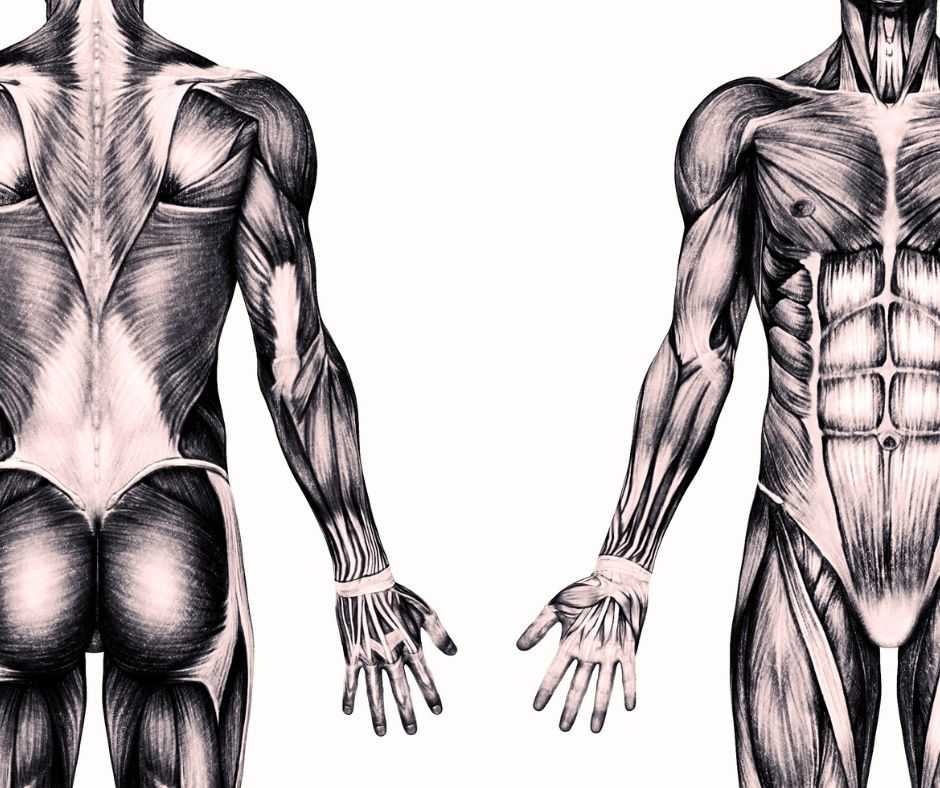
Myofascial Meridians: Strengthen Your Core
Myofascial Sheaths Over the last couple of posts, I’ve been exploring the myofascial meridians, lines, planes, or sheaths of the body. Follow along for an exploration of the body’s planes by signing up for the series here. These planes are a fantastic way to understand how movement, including asana (yoga postures), ...
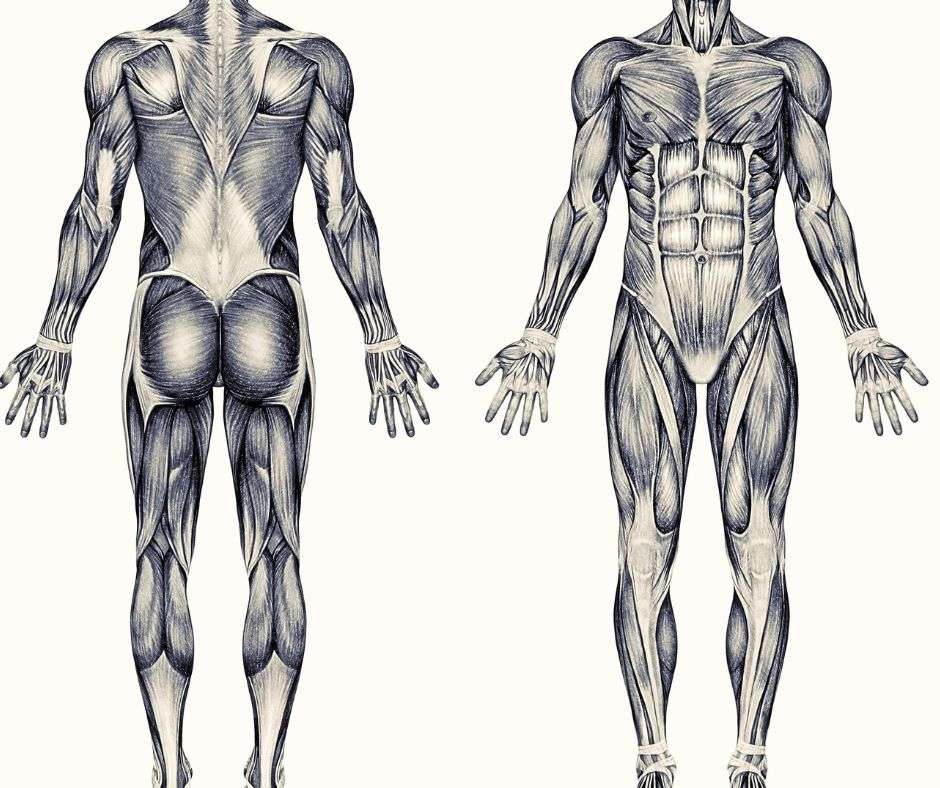
Myofascial Meridians: Open the Ventral Plane
Myofascial Sheaths The myofascial lines, planes, or sheaths provide a helpful map for understanding how positive and negative stress patterns are relayed and transferred through the body’s structures. Follow along for an exploration of the planes of the body by signing up for the series here. The Ventral Plane The ...
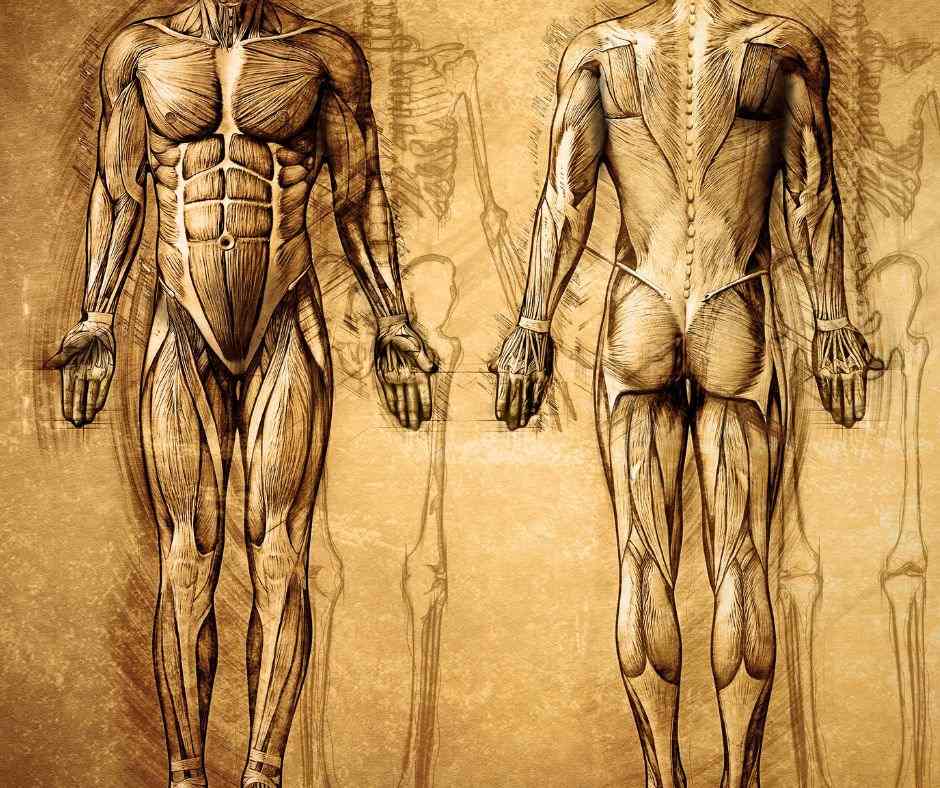
Myofascial Meridians: Release the Back Body
Myofascial Planes The myofascial lines, meridians, planes, or sheaths provide a helpful map for understanding how positive and negative stress patterns are relayed and transferred through the body’s structures. When studying human structure, we often treat individual anatomical parts as separate from the rest. This, of course, is not true; ...
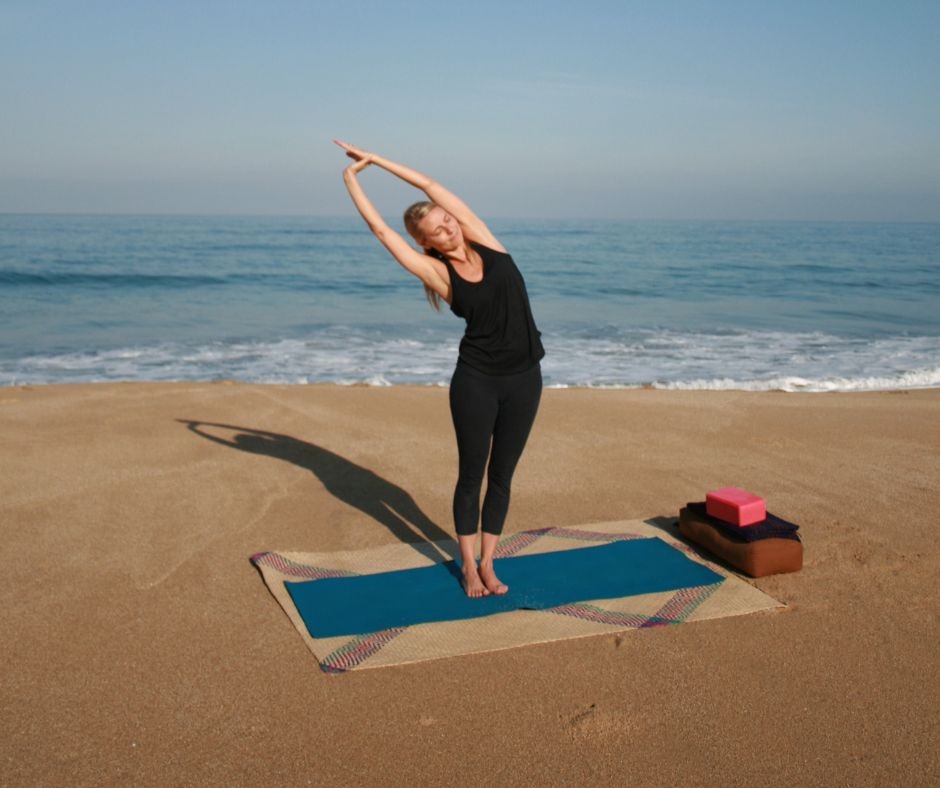
Myofascial Meridians: Release the Lateral Sheath
Myofascial Sheaths When studying and discussing the human body, we often treat individual anatomical parts as separate from the rest. This, of course, is not true; everything in the body is deeply interconnected. One way anatomical structures connect to (and are affected by) one another is through the fascia, which ...