Within Chinese Medicine, we use the term Shen to describe a person’s spirit or consciousness. This spirit is said to be visible in the spark of our eyes, and its energetic health determines how we connect with ourselves and each other.
The Shen, and more generally the Heart-Mind system, is easily affected by trauma, shock, over-stimulation, and emotional or psychological difficulties. When Shen is out of balance, there can be over-excitement, anxiety, panic attacks, insomnia, depression, or a lack of joy.
Learn more about the HeartMind and emotions here: When the Heart Speaks: Emotions Through the Lens of Chinese Medicine.
There are many ways to work with this system! Follow along below for suggestions on working with and healing the Shen.
The Shen and Nervous System
In many ways, the Shen is the emotional and spiritual layer of our being, reflecting the state of our nervous system. If the nervous system is resilient enough to quickly return to a baseline of calm after a stressful experience, the Shen is most likely healthy. On the other hand, if one finds oneself hypervigilant, always on edge or swinging between depressive and anxious states, this is an indication that the Shen has scattered and left the Heart. In this case, it would be helpful to work on regulating the nervous system and cultivating more joy.
There are many considerations when working with the nervous system, but here are a few ways to support nervous system health and the Shen right away:
- Get vigorous exercise, especially if you are under chronic stress.
- Get enough sleep.
- Do soft and deep breathing. Or explore these breathing exercises for anxiety.
- Use soft practices that unwind and release the body, like these therapeutic yoga postures, to restore the body.
- Practice Ayurvedic self-massage.
You can also learn more about the emotions in Chinese Medicine here.
Foods to Support the Heart-Mind and Shen
There are many ways to support the Heart-Mind and Shen when feeling out of balance. Read below for a few ways to help the Shen using food, herbal medicine, and acupressure.
FOODS TO AVOID: Avoid foods that scatter the mind and disturb the Heart, especially foods that create heat in the body. These include alcohol, refined sugar, large amounts of coffee (some people find a small amount therapeutic for the Heart due to its bitter quality), spicy foods, and fried or processed foods.
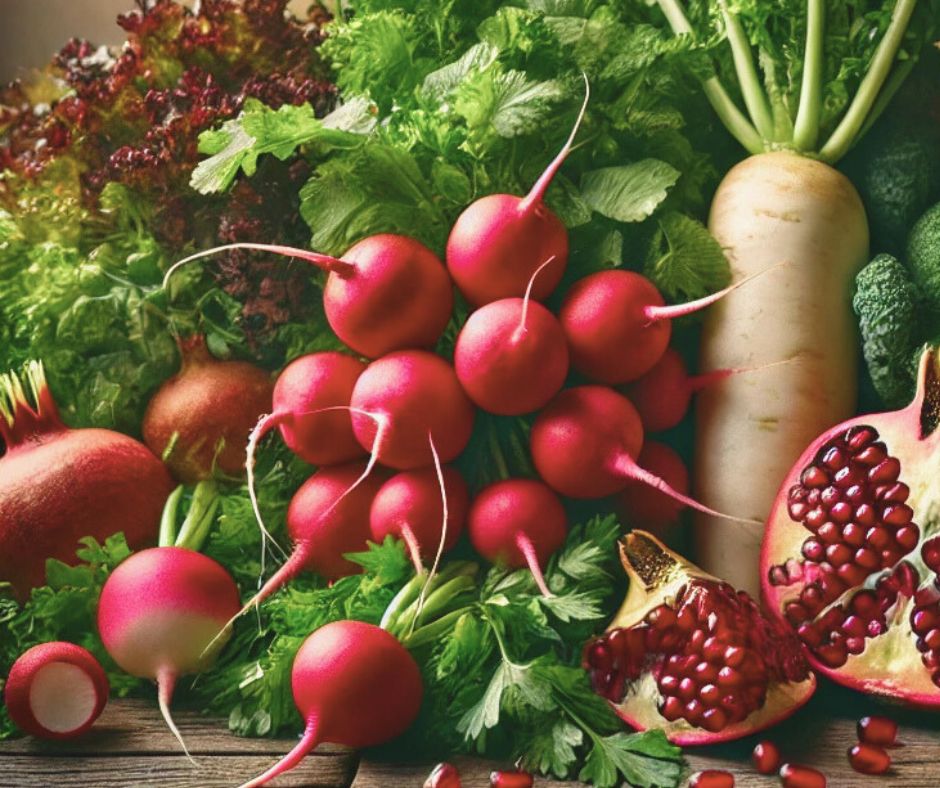
FOODS TO USE: Soothing, yin, and neutral-to-cooling foods can support Heart-Mind and Shen imbalances. Some examples include oats, whole wheat, cucumber, and celery.
Generally, focus on calming, balanced, and nutritious foods. In Ayurveda (the sister science of yoga), we call these foods “Sattvic.” The Shen lives in the yin and blood, so foods that support those substances, like goji berries and chia seeds, also help. Most importantly, work on healing your digestion so you can fully digest everything.
- Some basic sattvic principles: simple, fresh, seasonal, and prepared with care.
Herbal Medicine to Support the Heart-Mind and Shen:
This classical Chinese herbal formula calms and nourishes the Heart, Mind, and Spirit. It contains three simple kitchen medicines: licorice root, wheat berry, and Chinese date.
These herbs synergistically harmonize Qi and supplement nutritive yin. This, in turn, helps root the spirit in the body so that one feels more embodied and like themselves again.
GAN MAI DA ZAO TANG (Licorice, Wheat, and Jujube Decoction)
- Gan Cao (Glycyrrhizae Radix – Licorice root): 9g
Licorice is tonifying and harmonizing in this formula. It supports the wheat grains in nourishing the Heart and supports digestive capacity.
- Xiao Mai (Tritici Frictus – Wheat grain): 9-15g
Wheat grains are sweet and slightly cooling. They nourish Heart Qi and help with restlessness and irritability.
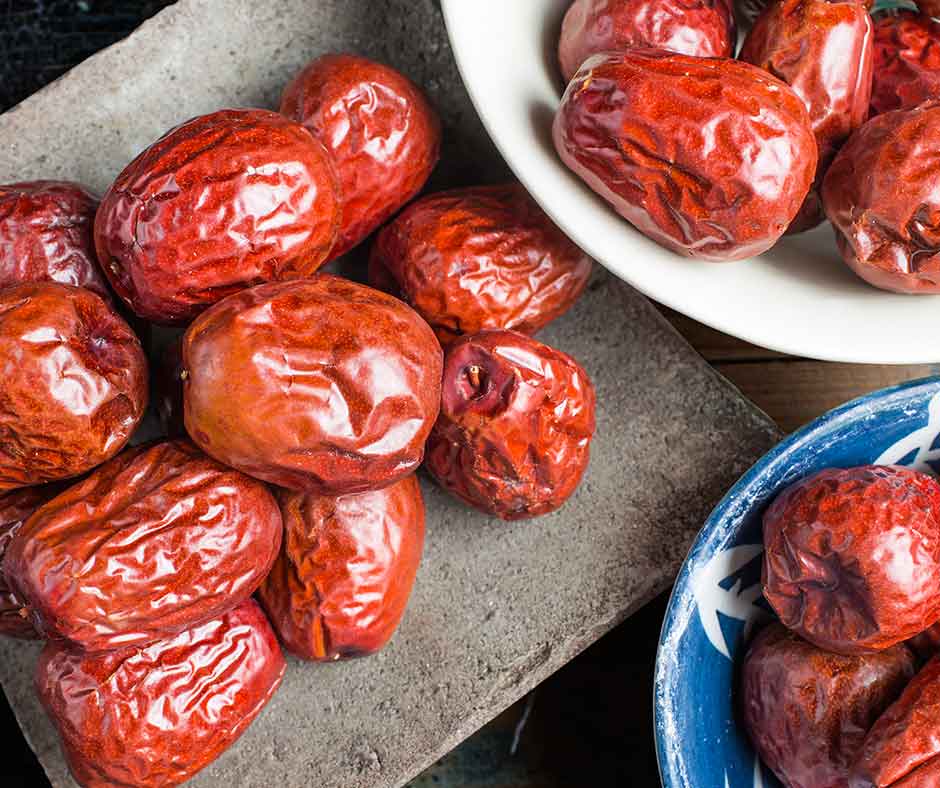
- Da Zao (Jujube Fructus – Chinese Date): 10 dates
Chinese date tonifies Qi and blood, and especially supports the digestive system. It also calms the spirit.
Combine herbs and simmer for 10-20 min. After simmering, add more hot water (some will have evaporated) and steep for another 10-15 min. Then strain the herbs and enjoy! The tea can be kept in the fridge for about a week and drunk cool or warm. This remedy is best used in the long term to achieve the best outcome.
** This formula is extremely safe; however, if you ever feel that a remedy is causing unwanted symptoms, please discontinue use and check with your practitioner.
Acupressure to Calm the Heart-Mind
YinTang (Hall of Impression)
This point is considered an extra point, so it’s not categorized under a specific meridian even though it’s on the same line as the point below (Du 24). Yin Tang is a common point used to soothe the mind, calm the Heart, and support the “spirit” (the Shen). It is very effective for any kind of hyperactivity, such as insomnia, worry, anxiety, or agitation.
LOCATION: directly between the two eyebrows.
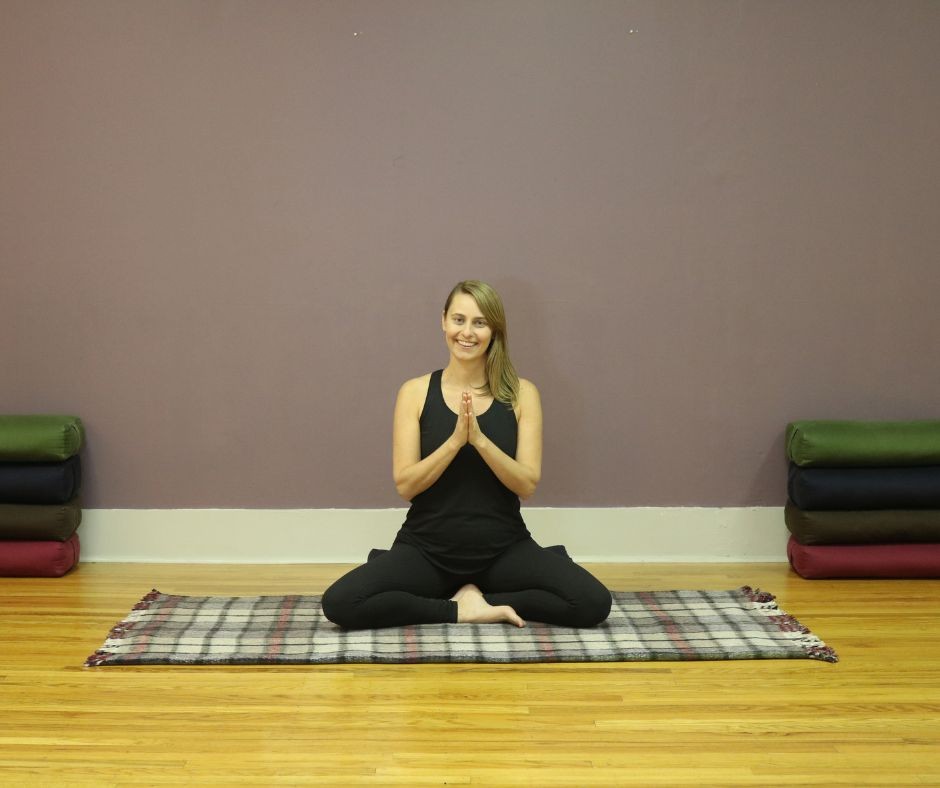
During a movement or yoga practice, one way to press this point is to bring your hands together in a “prayer position” and place your thumbs on the point as you fold forward during a longer-held seated forward fold.
DU 24 ShenTing (Courtyard of the Spirit)
This point is on one of the central channels in the body, called the Du or Governing vessel. The Du channel is particularly important because of its relationship to the brain and its role in connecting the brain and heart. Both the brain and the Heart are considered the seat of the spirit and directly affect spiritual and psychological health.
This point not only calms the mind and spirit but also clears “pathogenic heat and wind” which rise upward and cause a scattered mind, mania, anxiety, or insomnia.
LOCATION: on the midline of the skull, just beyond the hairline, about half a thumb’s width.
Learn more about the Du meridian here.
Learn more about the Heart meridian here.
As you can see, there are many ways to support the Heart-Mind and Shen when out of balance! Let me know in the comments ways you’re supporting the Shen. I would love to hear from you.
Wishing you a peaceful and healing day.