
It’s my belief that there are many health concerns that conventional medicine doesn’t help.
We need to start turning to natural remedies and other earth-based medical traditions with long-established histories for solutions and support. I created my Wellness Wednesday video series to help you take your health into your own hands.
In today’s video, I discuss sleep! In my private practice, I see many people with sleep issues. Stats show this is a very common problem; some studies even say that at least 50% of people don’t get the sleep they need regularly. Of course, we all occasionally have a night when we can’t sleep very well. But when a lack of sleep becomes a more regular occurrence, it can create all kinds of issues with your mood, immunity and hormonal system.
Natural Remedies to Improve Sleep
When we sleep, we allow the body to address deeper functions and healing. There are many reasons to address sleep patterns, but in particular, if you’re experiencing anxiety, depression, or emotional difficulty, re-establishing healthy sleep is so important.
Before I talk about herbal remedies, it’s really important to mention that lifestyle is a huge contributor. Herbs may help, but the underlying cause of stress, anxiety or pain must be addressed as well. If you’re having a hard time sleeping, there are a few basic principles I consider absolute musts to consider and address.
First, you need to cut out or reduce caffeine and stimulants. If you enjoy your morning coffee and are not ready to give it up, that’s fine, but be sure to have only a small cup and finish it early in the morning. If you’re consuming stimulants later in the day, this is most likely a large contributor to your sleep problems.
Alcohol (while at first is sedative) will cause restlessness and limit you from getting the deep sleep you need.
In addition, you’ll want to look at the supplements and medications that you take, especially those you consume later in the day. B vitamins, certain types of anti-histamines, blood pressure meds, some anti-depressants and other stimulating herbs could all be contributing. Of course, you’ll want to check with your prescribing physician before altering or changing when or what you take, but it’s always good to do your own research so you can be your own advocate if you think some of the meds you’re taking are causing your sleeplessness.
It’s super important to eat dinner earlier in the evening and avoid late-night snacking. This may be a hard habit to start, but try it for a while and note how you feel in the morning. I can almost guarantee that after a while, you’ll feel less groggy in the morning, and it will be easier to get out of bed. Ideally, you want to finish dinner early enough to have several hours before bedtime. This gives your digestion and your liver a chance to process the food you ate. I’d also like to encourage you to go to bed a little earlier every night. The quality of your sleep is much better in the hours before midnight vs the hours after. The more hours you can get before midnight, the better.
We can think of the class of herbs for sleep as sitting in two categories. There are nutritive and sedative nervines. Today, I’m going to talk mainly about a few herbs that are on the gently sedative side. But look out for other videos where I discuss the nutritive herbs.
Skullcap and Passionflower gently calm the nervous system and support sleep.
There are actually two plants called skullcap within herbal medicine. The one I’m referring to in this video is “American skullcap,” not the skullcap used in Traditional Chinese Medicine. That plant is called Huang Qin and has a different set of benefits.
Both of these herbs could be taken at lower doses during the day to combat anxiety, agitation, and sensory overload. You’ll want to experiment to find the correct dosage for your needs. I love these herbs because they have a broad range of effects. Skullcap can be used in children at lower doses, and passionflower is generally well tolerated by most people.
The sedative herbs as a whole are the most likely to interact with pain and psych meds, so even though these two are very gentle at low dosages, you’ll want to confirm with your family doctor that its ok to combine them with the meds you’re taking. And always check with your doctor if you’re pregnant.
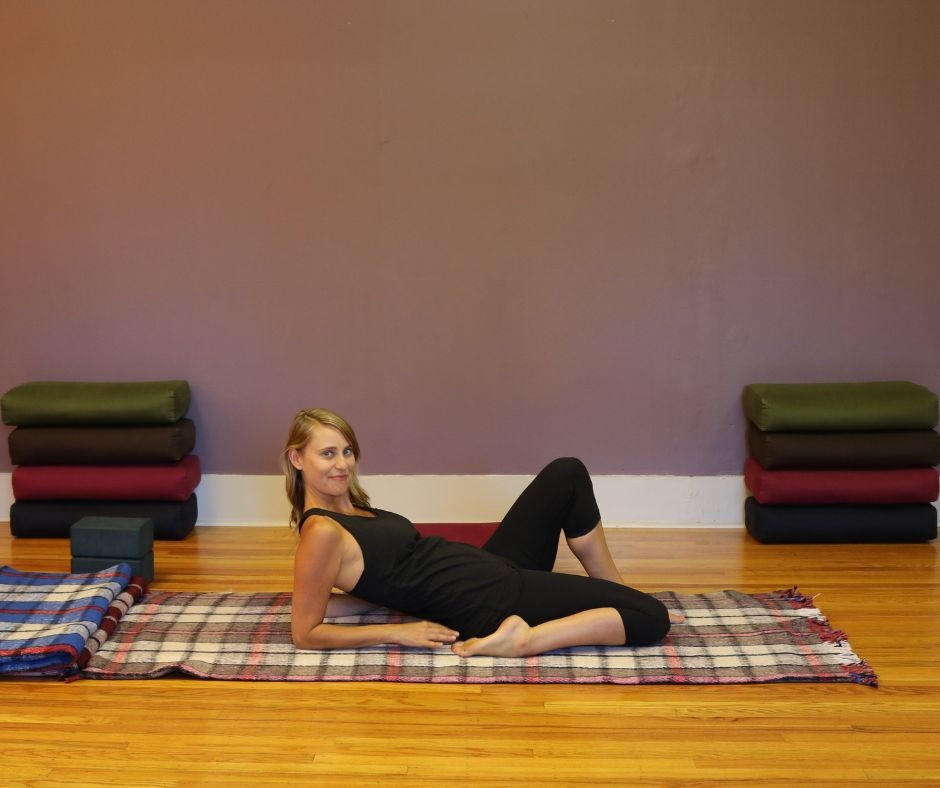
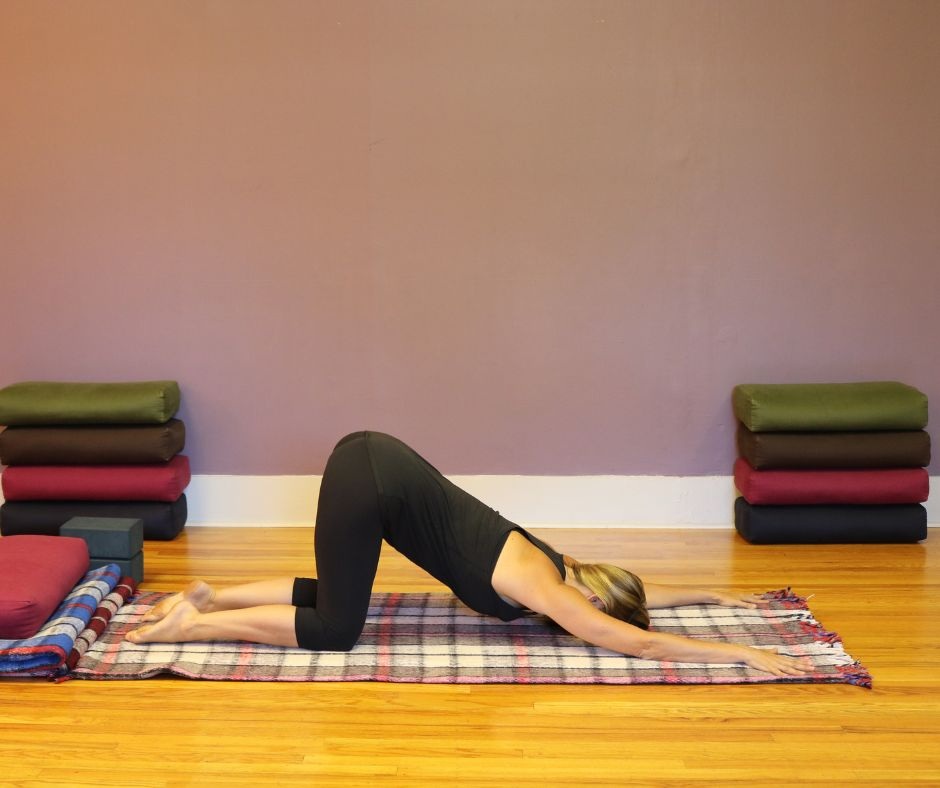
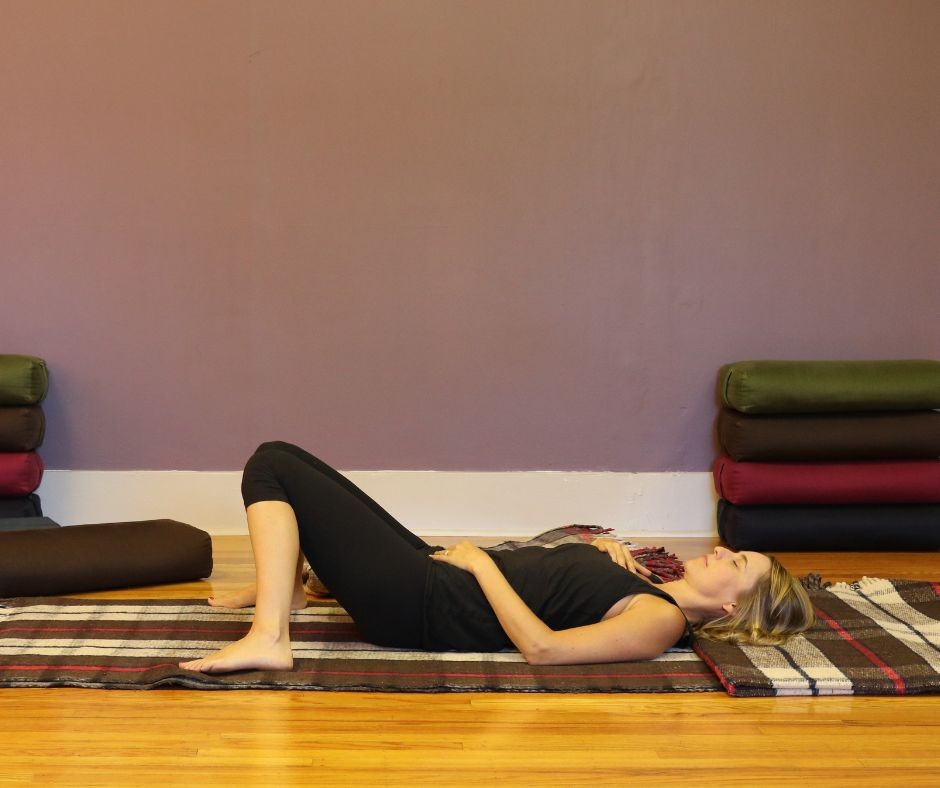
If you’re using these herbs to help you sleep, you can take them up to 30 minutes before you lie down. They both come as teas, tinctures or capsules. I would recommend taking the herb, then turning off all the screens and doing a few restorative yoga postures, having a bath, or doing some light reading. Ultimately, we want to create a sense of sanctuary around sleep time and start to get away from the light of our computer and phone screens as early as possible.
And remember to reduce stress and incorporate the other lifestyle changes. While these herbs can be used in the longer term, they may start to lose their effect, and if the other aspects of your lifestyle go unchanged, you’ll be back where you started.
Well, I hope that helps you to get a deep, restful sleep! Thanks for watching and reading, and see you again very soon.
Want to learn more about sleep? Check out tips to help with insomnia here.