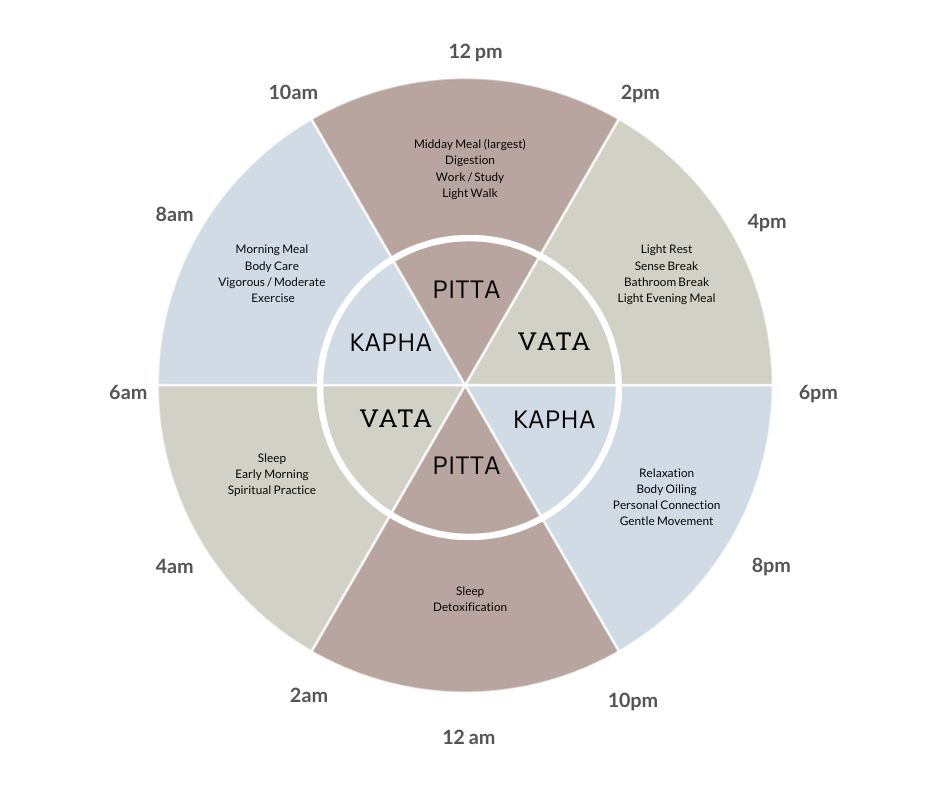
During the cold winter months, yin energies draw inwards – with winter comes quiet, hibernation, storage, and rest. Then, in late winter, yang starts to increase again as the days get longer. This change occurs slowly at first, but as it happens, heavy accumulation starts to “melt” in the body. As a result, the late winter season can lead to congestion and excess mucus. In Ayurveda, we say “kapha” is increasing.
During winter, we should build Kidney Qi (especially Kidney Yang). We should warm the body and focus on moving Qi to reduce congestion. To encourage these energetics, consider using warming, pungent herbs and foods.
If your climate is closer to spring than winter, you can also check out my article: How to Reduce Sluggishness in Early Spring.
Below you’ll find four foods and herbs (and some recipes) to add to your kitchen medicine this time of year! These remedies will help maintain good health during winter and protect your body from seasonal illnesses.
Black Sesame Seeds (Hei Zhi Ma)
According to Traditional Chinese Medicine, winter is the season of the water element. It is related to the Kidney meridian and to the body’s deepest essence, Jing. Black sesame helps to build Kidney Qi and support the Jing essence. It is also rich in iron, calcium, and magnesium, making it an excellent food to support the deep life force within. Try the sesame milk below to incorporate black sesame into your daily late-winter diet.
BLACK SESAME MILK
- In a bowl, add 1.5 cups of black sesame seeds and soak in warm water for about 30 min.
- Drain the soaking water, then blend on high with 8 cups of water and 2 Medjool dates.
- Options: blend with organic vanilla extract or a sweetener like maple syrup.
- Strain through a nut milk bag and store in a sealed jar (use the pulp in smoothies or baking).
- Enjoy and keep refrigerated!
Ginger (Sheng Jiang)
Fresh ginger (dried ginger has distinct qualities) is a pungent, warming rhizome commonly used in both Traditional Chinese and Ayurvedic medicine. There are many uses for ginger: it offers protection against colds and flu, has anti-inflammatory properties (great for arthritis, aches, and menstrual pain), and is used as a digestive herb to stoke the digestive fire. Below you’ll find a super-easy recipe for ginger tea.
GINGER TEA
- Cut ginger into small pieces and place in your blender with water.
- Blend at high, then strain (press the liquid out of the pulp). Store this concentrated juice in the fridge.
- To make the tea, use 1 tsp of the ginger concentrate in hot water. Sweeten if you need and enjoy!
OTHER IDEAS FOR GINGER:
- Cut a few slices and simmer in hot water for 10 minutes. (Keep the lid on so the volatile oils don’t escape.) Strain and drink!
- Squeeze lemon on a thin slice of ginger and consume about 15 minutes before eating to increase digestive energy.
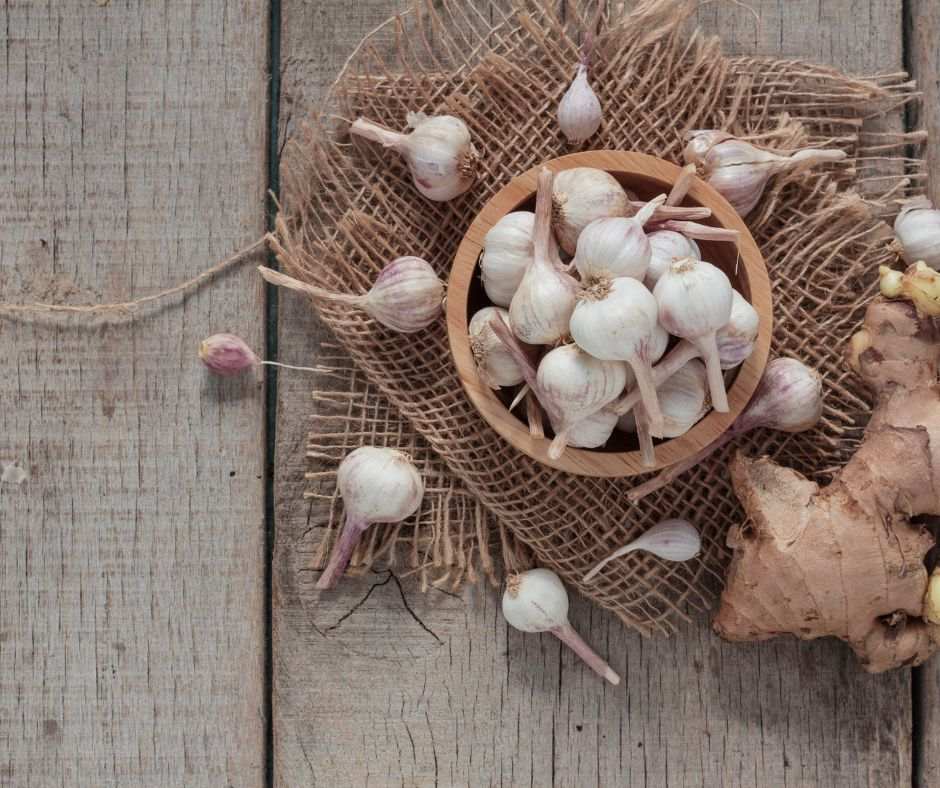
Garlic
Garlic is a highly stimulating late-winter food with powerful properties. In both Traditional Chinese Medicine and Ayurveda, garlic is considered energetically heating and pungent. It is said to tonify yang, enhance Qi circulation, and resolve dampness and phlegm. Garlic is also a powerful antibacterial medicine. In Chinese Medicine, we say it “expels wind” and treats “wind-cold.” Essentially, it’s an excellent food for the common cold. Be careful not to overdo garlic, though, as it is powerful and can be aggravating if you have excess heat or aggression.
There are so many ways to use garlic in your food! You could start with some of these salad dressings.
Winter Herbal Medicine
Finally, winter can be a time when we are more susceptible to colds and the flu. Certain herbal medicines can help us resist germs and infection, while others assist the immune system. If you’re feeling under the weather, try a hot cup of this immunity tea to help support you and ward off any bugs.
IMMUNITY COLD AND FLU TEA
- Combine herbs (equal amounts of yarrow flower, elder flower, peppermint, schisandra berries, and echinacea) and steep in hot water for 20 minutes.
- Strain and drink
I hope these remedies give you some ideas for your winter wellness! Thank you for reading.