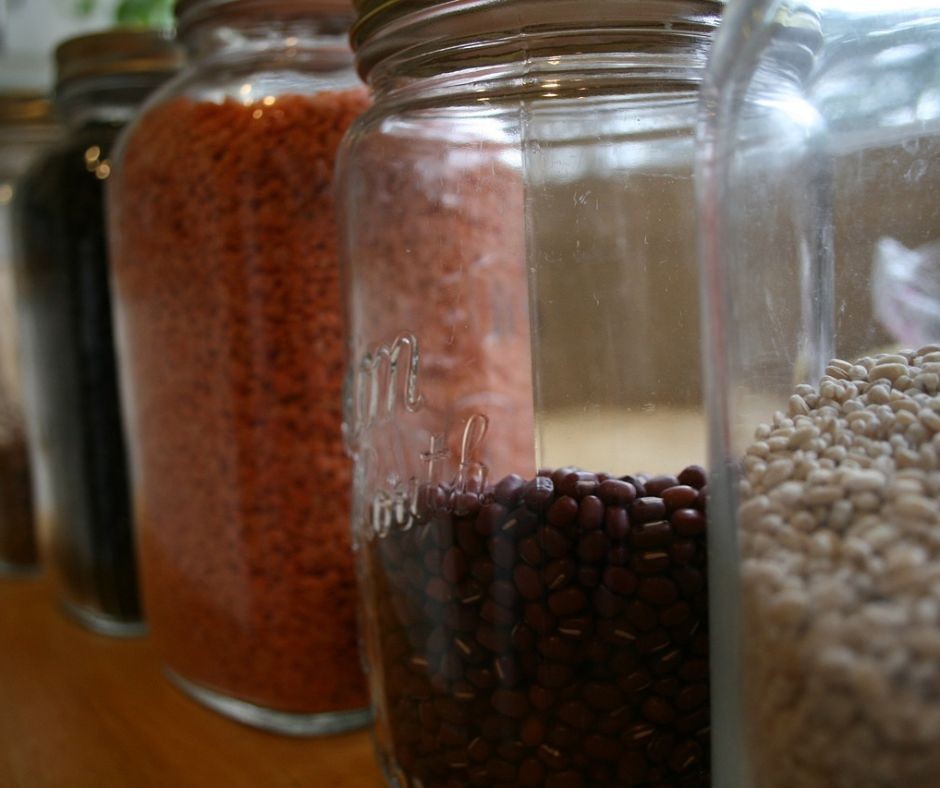
Green and red lentils, black beans, kidney beans, mung beans, chickpeas, adzuki beans, navy beans, and so many more! Beans and legumes are used around the world as a staple food, and are a wonderful part of a healthy, whole, plant-based diet. They provide variety in the diet, a protein source for vegetarians, and they’re delicious, too.
For vegetarians in particular, adding beans and legumes to meals helps lower the high glycemic load that other foods, such as carbohydrates, can cause.
Which beans are the easiest to digest? Some people have difficulty digesting beans and miss out on all the nutrition and variety they provide.
But rest assured! With these few tips, most people have no problem eating a variety of beans and legumes. Even for people who don’t have difficulty digesting beans, it’s still a good idea to follow these tips to optimize digestion.
Tips to Digest Beans:
Proper Storage
Use dried beans instead of canned beans to avoid excess sodium, additives, and chemicals. It takes a little preparation, but it can be easy once you’ve developed the habit. It’s also cheaper. Dried beans can be found in the bulk section of your grocery store.
If using dried beans, store them in an airtight container and use them within 3-6 months. After this period, many beans become very hard, and no amount of cooking will soften them.
Choose the Right Beans
Some beans and legumes are much more difficult to digest than others. If you’re sensitive or want to stick with the easiest-to-digest beans, start with aduki beans, lentils, mung beans, and peas. Avoid cooking with soybeans – they’re the hardest to digest.
Rinse and Soak Beans and Legumes
Whether you’re using canned or dry beans, begin by removing any foreign matter. Then rinse the beans or legumes. For dry beans, soak in water overnight (8-12 hours). Place beans in a bowl and cover with water. Discard the soak water the next day, or use it to water your plants! Different kinds of beans and legumes have different cooking times and water amounts.
Use Seaweed
Once you start cooking, add a few strips of kombu or wakame seaweed (available at your health food store). Seaweed helps break down components, such as phytic acid, that make beans and legumes harder to digest. If you break the seaweed up before adding it to the water, it will dissolve, and you won’t even know it’s there. If you’d like to avoid the strong salt flavour, rinse the seaweed in a small bowl of water before adding it to your beans, soup, or stew. You can learn more about seaweed here.
Add Asafoetida
Asafoetida is an Ayurvedic/Indian herb. Add a few pinches near the end of cooking the beans. You can find it at some grocery stores or Indian food markets.
Apple Cider Vinegar
Near the end of cooking your beans, add a tablespoon of apple cider vinegar or a citrus like lemon or tomato to help further break down the beans. Remember, though – only add it near the end, or it will make the beans harder!
Sprouting
Sprouting is another way to eat more beans and legumes. Sprouting beans is also one of the easiest ways to make them easier to digest. In the winter and fall, sprouting and then steaming those sprouts may be easier for digestion. Check out my article on sprouting here.
I hope these tips help you find the easiest beans to digest and enjoy beans and legumes more often!