More than Water: The Art of Deep Hydration

Hydrate the Right Way

Hydration is often reduced to a simple formula—eight glasses of water daily and the ever-present water bottle at our side. But could there be a better way? Holistic systems like Ayurveda and Chinese medicine recognize that hydration is not merely about the quantity of water we consume. It’s also about quality, balance, and assimilation. True hydration that gives us vitality and the ability to integrate water into our tissues takes minerals, electrolytes, and diet into account. Hydration, then, becomes less about “drinking more” and more about absorbing deeply.

Every person will benefit from a different kind and amount of hydration, depending on their age, diet, and season. For instance, dry qualities (called Vata in Ayurveda) increase during autumn and in our elder years, so you may need to pay more attention to hydration at that time of year and in that stage of life. You may also need to counteract dryness if your diet consists of cold, drying foods like sandwiches, raw salads, chips, or crackers, or if you live in a hot climate and tend to sweat a lot. You might experience this “dehydration” as dry skin or constipation. Still, it could also manifest as feeling like you’re a “riverbed run dry”—you might have difficulty sleeping or not feel grounded.

Hydration with Chinese Medicine and Ayurveda

In Chinese medicine, hydration is closely linked to Yin and Body Fluids. These substances moisten, cool, lubricate, and maintain the body’s internal harmony. Yin is a subtle, moist and nourishing substance that helps balance Yang, a hot and active force in the body. Body fluids are either jin (light, clear liquids like sweat, tears, saliva, and the moisture that hydrates skin and muscles) or ye (thicker and denser fluids such as joint lubricants, cerebrospinal fluid, and the essence that nourishes organs). In Ayurveda, we say that water carries the essence of soma, a cooling, nurturing energy that balances the heat of Fire (agni). Chinese medicine and Ayurveda also recognize that when we hydrate our body, we are not just replenishing fluids—we are communing with the element of water itself, the great harmonizer and governor of flow.

In these systems, true hydration happens when water enters the tissues (dhatus in Ayurveda) and digestion and absorption are strong enough to integrate the fluids into the body’s deeper layers. When the organs governing fluid metabolism are strong, water is absorbed and circulated easily. When weak, fluids stagnate (creating dampness, puffiness, or phlegm) or are lost too quickly (leading to dryness, thirst, and constipation). 

General Hydration Tips from Holistic Medicine

The key is balance: hydration that nourishes without causing dampness and moisture that cools without extinguishing the digestive fire. Here are some gentle ways to enhance your hydration:

  • Remember, hydration is individualized. Depending on your constitution and state of imbalance, some people benefit from warming drinks, while others need more cooling infusions. Some also need more fluids, while others need less.
  • Drinking too much cold water can weaken your internal fire and digestion. Instead, drink warm or room-temperature water throughout the day. This will keep your energetic and physical channels open and your tissues supple.
  • If you are thirsty or need extra hydration, add a pinch of unrefined sea salt to your warm water.
  • A big part of good hydration is ensuring your meals are sufficiently hydrating. If you eat a lot of dry, crunchy foods like crackers and chips, or cold, raw foods, you will need more liquid, such as warm water and herbal teas. If your diet has more fluid-rich vegetables and soupy foods (like congee), you’ll need to supplement less with extra water.
  • Good fats and oils (see below) and foods that build Yin, such as cucumbers, cooked pears, black sesame, and steamed vegetables, support hydration. Try this stewed fruit to start.
  • Warm, mineral-rich liquids—such as broths, teas, or warm lemon water—better support absorption.

The Importance of Oil

When the body lacks hydration, it needs water and healthy fats. The oily quality is the opposite of dryness and helps balance dehydration by maintaining lubrication and moisture and nourishing the body’s tissues. Remember, hydration is a mechanical process of water intake and a relationship between water and oil. Without oil, water alone cannot nourish deeply; without water, oil becomes stagnant.

Support deep hydration by:

  • Using high-quality oils on your skin with the traditional practice of abhyanga.
  • Adding good fats and oils to your meals—bonus points if they’re in a warm, soupy meal! Try ghee, coconut oil, and high-quality olive oil to start.

Electrolytes and Minerals

Modern science tells us pure water without minerals is incomplete. It may quench our thirst temporarily, but it won’t deeply nourish us because it lacks the essential electrolytes needed for fluid balance and good cellular hydration. Electrolytes—specifically sodium, potassium, magnesium, and calcium—are the conductors of life’s electrical signals, regulating nerve impulses, muscle contractions, and ensuring all of our body’s cells receive the hydration they need. The best way to ensure adequate intake of minerals is to eat a well-balanced diet rich in whole foods. These minerals help the body hydrate:

Sodium is the gatekeeper of hydration. It helps regulate the movement of water in and out of cells, maintaining fluid balance throughout the body. Without enough sodium, water cannot be properly retained in the tissues, leading to dehydration and fatigue. Interestingly, in TCM and Ayurveda, salty flavours are associated with the Water element, helping the body retain moisture and restore balance when fluids are lost through sweating or exertion. Find it in sea salt, miso and seaweeds.

Magnesium is often called the “relaxation mineral.” It supports the balance of other electrolytes, particularly calcium and potassium. It regulates muscle and nerve function, helps generate cellular energy (ATP), and plays a vital role in water absorption. In holistic terms, magnesium nourishes the Yin—calming the system, easing tension, and allowing hydration to reach deeper tissues. Find it in cacao, leafy greens, nuts and seeds, whole grains and legumes.

Potassium is the counterpart to sodium, working inside the cells to maintain electrical charge and fluid equilibrium. It supports heart rhythm, nerve transmission, and muscle contraction. In traditional systems, potassium-rich foods (like fruits and vegetables) help restore the body’s internal coolness and suppleness—keeping the inner waters flowing smoothly and preventing stagnation or dryness. Find it in bananas, coconut water, dried fruits, and sweet potatoes.

Calcium also acts as a key electrolyte, supporting muscle contraction, heart rate regulation, and nerve communication, in addition to its well-known role in bone health. It also supports the health of our connective tissues. Find it in tahini, almonds, leafy greens, and dairy products.

Daily Kitchen Medicine for Hydration

Herbal infusions made from mineral-rich plants are one of the most effective ways to nourish the body’s fluids because they are hydrating and deeply nutritive. Use these herbs separately or in combination to make an infusion or tea, replenish your electrolytes and trace minerals naturally, and support physical and energetic hydration.

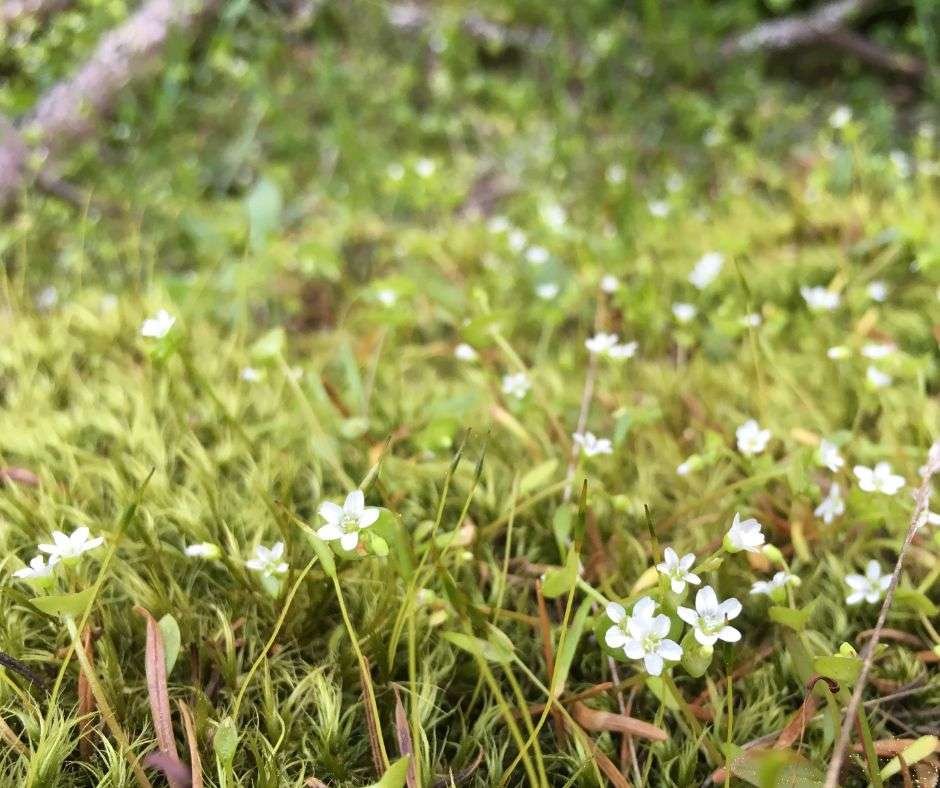
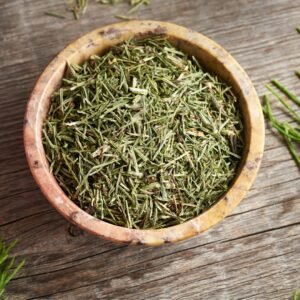
Horsetail (Equisetum arvense) – Horsetail is one of the oldest plants on Earth—a true Earth and Water element ally. It’s exceptionally rich in silica, calcium, and trace minerals that strengthen connective tissue, bones, skin, hair, and nails. In the language of TCM, horsetail nourishes the Kidneys and supports the structural integrity of the body’s Yin. Energetically, horsetail grounds and fortifies, offering stability when we feel depleted or brittle. A long, gentle infusion (steeped several hours) draws out its deep mineral essence.
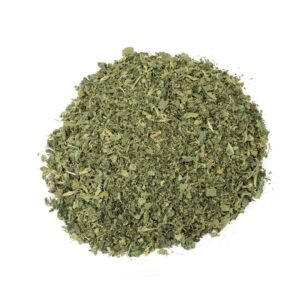
Nettle (Urtica dioica) – Often called a “green multivitamin,” nettle is one of nature’s best sources of magnesium, calcium, potassium, and iron—key minerals for electrolyte balance and vitality. Nettle nourishes the Kidneys, Liver, and Blood, toning the entire fluid system and building strength from within. From an energetic perspective, nettle cools excess heat while grounding us. It restores stability to the nerves and adrenals. It is a true tonic herb, replenishing energy without stimulation, and rehydrating the body at a cellular level.
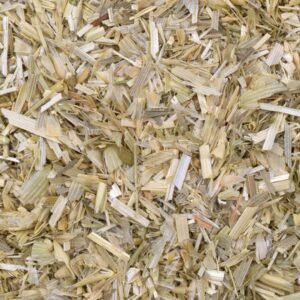
Oatstraw (Avena sativa) – Oatstraw is the embodiment of gentle nourishment. High in magnesium, calcium, and silica, it strengthens the nervous system, rebuilds depleted tissues, and replenishes the body’s deep reserves. Energetically, oatstraw is moistening, restorative, and mildly sweet—the perfect tonic for anyone recovering from stress, burnout, or emotional dryness. Like a rain that softens the hardened ground, it restores suppleness to both body and spirit.
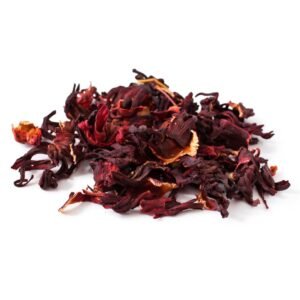
Hibiscus (Hibiscus sabdariffa) – Vibrant, tart, and cooling, hibiscus is a natural source of electrolytes, antioxidants, and vitamin C. It supports the Heart and Liver systems, helping to cool internal heat and move stagnant fluids. Its ruby colour signals its affinity for the blood—cleansing, hydrating, and promoting smooth circulation. In warm climates, hibiscus tea has long been used as a rehydrating summer drink. It restores fluids and uplifts the spirit. Make a cool decoction on a hot day to soothe the body-mind and deeply hydrate.

Herbal Infusion for Hydration

  • 2tbs Oatstraw
  • 2tbs Nettle
  • 2tbs Horsetail

Place herbs in a heat-safe quart-sized container. Pour boiling hot water over the herbs, cover, and steep for between 4 hours to overnight. Strain the infusion and enjoy throughout the day!

I hope this gives you some ideas to help you deeply hydrate! 

Chinese Medicine for Yoga Online Training

Chinese Medicine Food Therapy Online Course

Share This Post:

More To Explore

blog post open the ventral plane jennifer raye

Myofascial Meridians: Open the Ventral Plane

Myofascial Sheaths The myofascial lines, planes, or sheaths provide a helpful map for understanding how positive and negative stress patterns are relayed ...
Read More →
blog post unique remedies for common colds jennifer raye

Wellness Wednesday :: unique remedies for common colds

In today’s wellness Wednesday video, I discuss the energetics of what we call the common cold. In Chinese Medicine, illnesses can have ...
Read More →
blog post understand thermal nature of food jennifer raye

Understand the Thermal Nature of Foods According to Chinese Medicine

Identifying the thermal qualities of hot and cold is a fundamental distinction used during diagnosis and treatment in Traditional Chinese Medicine and ...
Read More →
blog post how to build your blood jennifer raye

How to Build and Nourish your Blood with Holistic Medicine

Blood provides energy and vitality. In Traditional Chinese Medicine, it’s considered a yin fluid; it creates a feeling of grounding and presence. Blood is vital ...
Read More →
blog post boost memory and cognition jennifer raye

Boost Memory and Brain Health with These Remedies

As we age, the health of our brains becomes increasingly important. In today’s video, I’m going to discuss brain health and remedies we can use ...
Read More →
blog post yoga and the five elements of chinese medicine jennifer raye

Late Fall Self Care: The Season of Slowing and Rooting

The plants dive into the ground now, their deep roots growing beneath us, seeking nourishment from the mineral-rich soil below. This is the slowing and ...
Read More →
Scroll to Top