Restless sleep can be incredibly stressful. Sometimes, no matter how much you want to doze off, your body and mind don’t seem to cooperate.
You probably know by now that sleep is an essential part of overall health. The effects of losing sleep can show up in your mood, energy levels, ability to concentrate, and immune system. This can be especially troublesome if the insomnia becomes frequent or chronic.
From an eastern energetic understanding, sleep troubles can be due to a variety of factors. Holistic systems, such as Chinese Medicine, aim to identify the underlying imbalance that contributes to insomnia. These causes can range from underlying deficiencies and excesses to disturbances of the spirit.
The good news is that getting a handle on your sleep is entirely within your control. Below you’ll find tips to help you get a good night’s sleep.
Tips for Insomnia:
Avoid Classic Triggers
You may already know that certain foods and behaviours contribute to your insomnia. But especially if you’re not sure what’s causing your sleepless nights, I suggest using the recommendations below for a while. I can almost guarantee you’ll see a change in your sleep and your energy levels the next day.
Reduce the stimulants and caffeine you’re consuming. Especially in the afternoon, avoid caffeine. This includes coffee, black and green tea, and chocolate. Some people also find that alcohol, cheese, sugar, and spicy foods have a similar effect.
Turn off your devices and limit screen time before bed. Research shows that the blue light our screens emit impacts the brain, and the hormone melatonin, which is responsible for healthy sleep patterns.
Don’t eat before bed. Make your last meal of the day dinner. You may also want to avoid the following foods close to bedtime (they contain tyramine, which increases brain stimulation): eggplant, potato, tomato, spinach, sauerkraut, bacon, and ham.
Make it Cool and Dark
Make sure your bedroom is dark, and the temperature is not too warm. Use blackout curtains and eliminate any extra lights in your room. Humans generally sleep best when the temperature is cooler, so turn down the thermostat at night to help you sleep more deeply.
Herbal Medicine, Supplements, and Essential Oils:
Use chamomile, jasmine, rose, lavender, and lemon balm essential oils. These oils have a calming and sedative effect. Place a few drops on your hands (rub together and breathe in for a few minutes), use a diffuser, mix a few drops in some water and spray it on your pillowcase, or put 5-10 drops in a warm Epsom salt bath and soak before bed. Learn more about aromatherapy here.
Herbal medicines like chamomile, skullcap, passionflower, and reishi help to calm the spirit and mind. You could also try valerian root occasionally. Take it before bed, but don’t use it if you’re pregnant or taking antidepressants or sedatives. You’ll also want to consult a health care practitioner if you’re taking it more than occasionally.
You may also want to supplement with calcium (800mg if you’re not avoiding it due to heart disease) and magnesium glycinate (400mg). Take these after mealtime and before bed. B-complex can also help calm the body and reduce the effects of stress on sleep patterns.
Choose Foods to Support Sleep
Grounding food can help you move out of your head and into your body. Eat lightly cooked root vegetables, oats, brown rice and whole wheat. Foods high in tryptophan, like turkey, tuna, dates, and figs, can also promote sleep
Acupuncture:
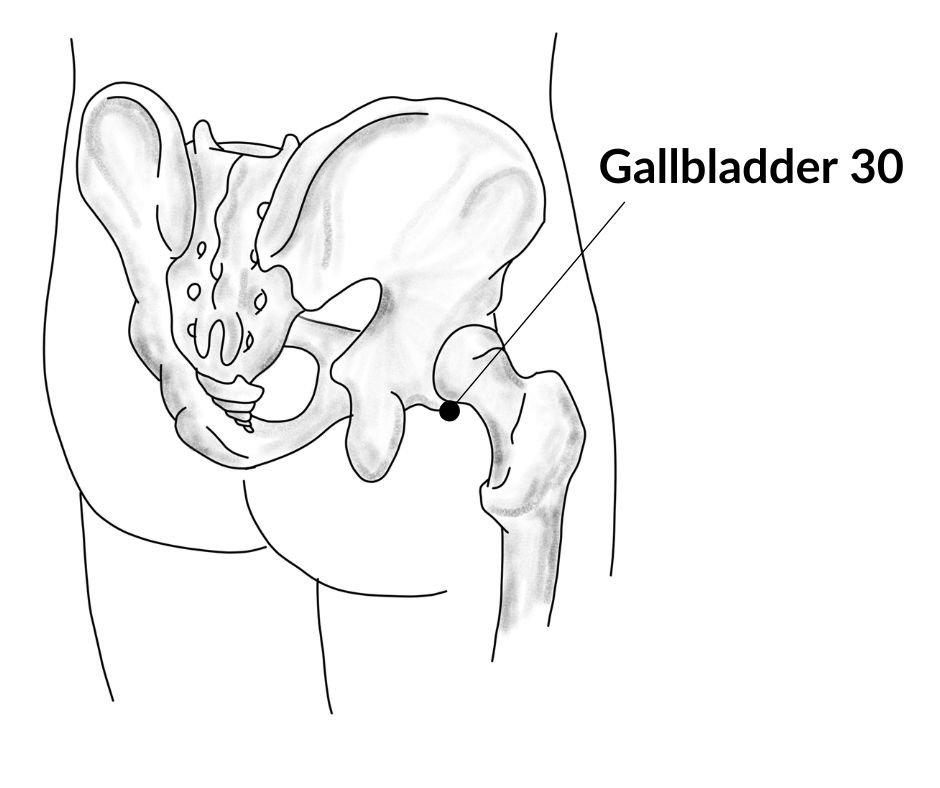
Many of my patients have found acupuncture to be incredibly helpful when addressing sleeping disorders. During the intake process, your acupuncturist will determine which pattern of disharmony is causing the sleep troubles and base their acupuncture point choices on this diagnosis. In addition, acupuncture helps harmonize the body and encourages a calm, peaceful mind.
Daily Rituals:
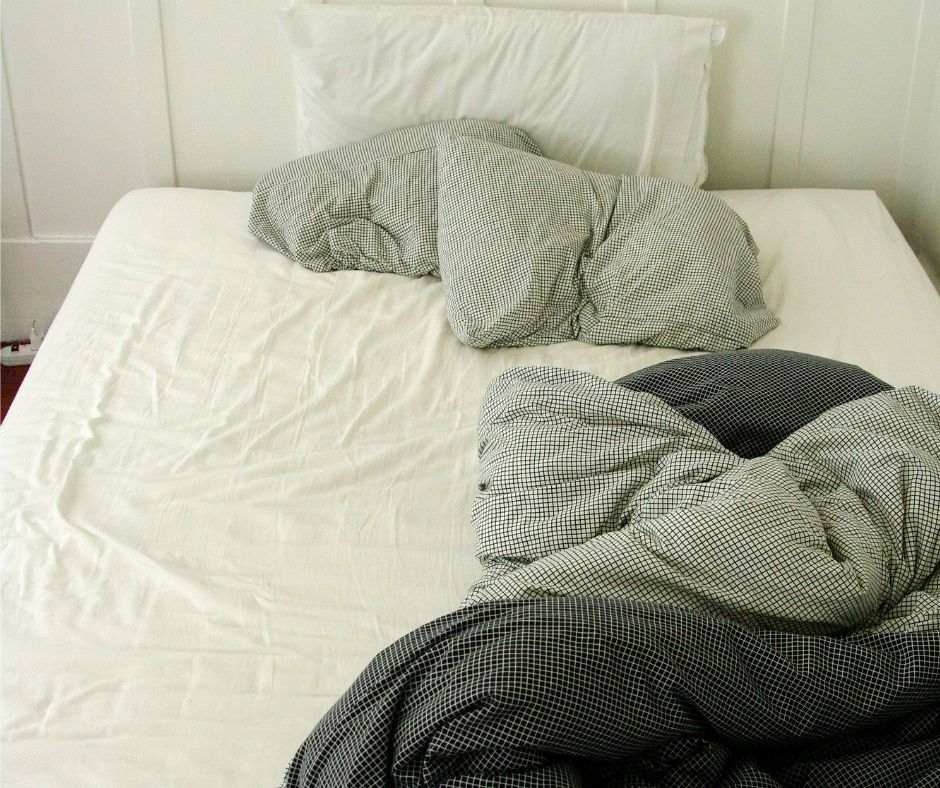
Make your bed and bedroom a sacred space. Make sure you have comfortable bedding, and try to only use your bed for sleep (and sex).
As much as possible, treat the time before sleep as special. Create rituals that encourage slowing down. You could practice a short meditation or do a yoga nidra practice before falling asleep. Find some meditations here and a yoga nidra practice here.
Get daily moderate exercise. This will help to release excess physical energy and support overall mental health. Avoid exercise before bed; do it in the morning or during the day instead.
Yoga Postures and Practices for Sleep:
There are many restorative yoga postures and slow yoga practices that can help calm the body and mind and prepare for sleep.
You could try “legs up the wall” (viparita karani) before bed. Lie on your back with your hips against a wall and swing your legs up so they’re gently resting. Breathe slowly and deeply. This posture calms the nervous system and prepares the body for sleep.
Or try this yin yoga class on the wall, or these restorative poses. If you’re experiencing anxiety or repetitive thoughts, try these breathing techniques for anxiety.