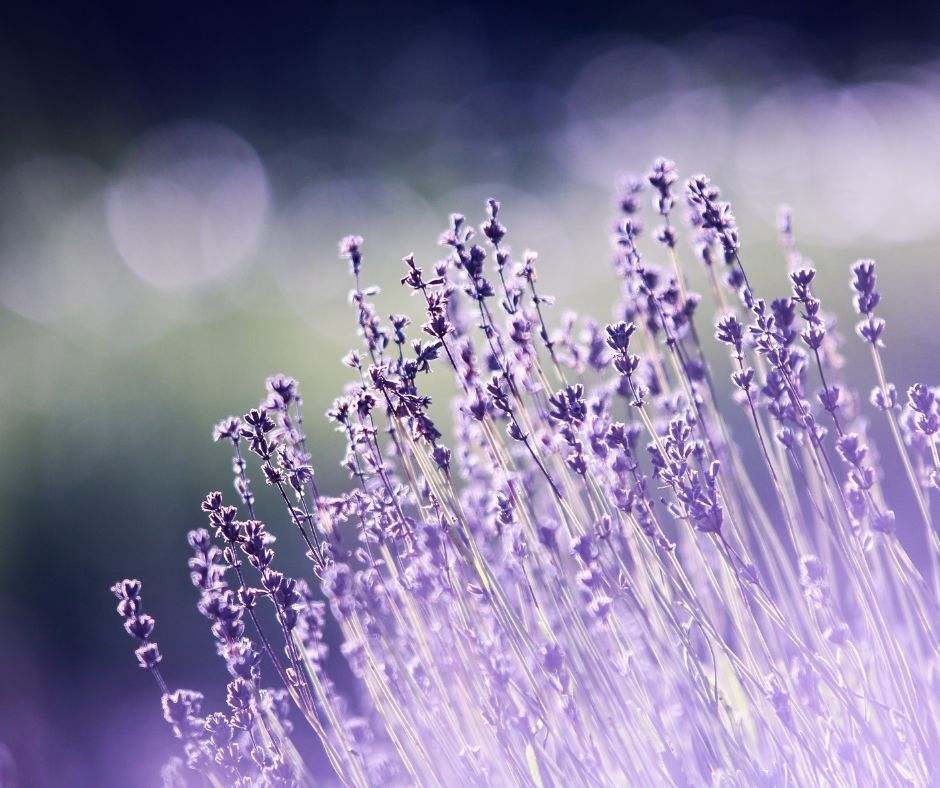
Aromatherapy is the use of the “essential” or “aromatic” oils of a plant for physical, psychological, and aesthetic purposes. Aromatherapy is one method within the broader umbrella of phytotherapy, or “herbology” (plant therapy). The value of aromatherapy is often thought to be due to fragrance, but in fact, its therapeutic benefits far outweigh the allure of smell alone. Essential oils are a treasure trove of practical and convenient medicine.
Many plants have been used for their medicinal properties for thousands of years as poultices, teas, and alcohol-based extractions called tinctures. In some aromatic plants, though, the medicinal qualities are held within “essential” or “volatile oils”. These essences are sometimes contained in the flowers, leaves, fruit, wood, roots, bark or seeds.
Choose Pure Essential Oils
Although they act very similarly to oils, these “oils” are actually a variety of compounds, including organic acids, esters, alcohols, oxides, ketones and aldehydes. In fact, one way to tell whether you have a pure essential oil is to put a drop on a piece of paper. If it evaporates and leaves very little oily residue, you can be certain your product is pure and has not been cut with cheaper vegetable oils. To ensure you are getting high-quality oils, purchase them at health food stores, not at stores focused on cosmetics and fragrance.
History of Aromatherapy
The term “aromatherapy” was coined in France in the 1920s by René-Maurice Gattefosse. Before and after that, aromatherapy was used in many ways in health care settings and for healing. For instance, essential oils were used during World War II for injuries and infections.
Today, many scientific studies demonstrate the biomedical effects of these powerful medicines, and in fact, many Western medicines use essential oils as their active ingredients. In addition, the cosmetic and food industry regularly uses essential oils to bolster flavour and enhance products in various ways.
Essential Oils as Medicine
You can think of essential oils as super-concentrated plant medicine. While some oils can be used straight, they’re usually combined with “carrier oils” such as grape seed oil, canola, or evening primrose oil. This is because they are so powerful and can be toxic if ingested or applied directly to the skin. Some may burn or be toxic to the system if not diluted.
Just as the oils are easily assimilated into the body, they are also quickly eliminated. However, as with all herbal medicine, caution should be exercised. Especially in cases of pregnancy or complicated health conditions such as epilepsy and asthma. It’s also important to note that medicinal qualities apply only to organic, pure oils. “Fragrance oils” and other synthetic products are not derived from plants, so none of the medicinal qualities are present in them.
The medicinal components of essential oils are incredibly small. This allows the medicine to enter the body through breathing and through the pores and glands when applied to the skin. There are many ways to use essential oils. Add them to your bath, use them during a massage, inhale them as a vapour, or use diffusers or room sprays. Get creative and try them out!
How to Store Essential Oils
Because essential oils are very fragile and can break down easily, it’s important to store them properly. Store oils in dark glass bottles, and avoid oxygen and light. Never buy essential oils sold in plastic or clear containers, because much of their medicinal properties will be lost.