From Frustration to Flow: TCM Acupressure for Liver Qi

Liver Qi emotions TCM

In Traditional Chinese Medicine (TCM), the Liver is responsible for the smooth flow of Qi throughout the body. When Liver Qi becomes stagnant due to stress, emotional suppression, or an unhealthy lifestyle, it can lead to frustration, irritability, headaches, digestive discomfort, and even menstrual irregularities.

As a TCM practitioner, I recommend acupressure as a practical, accessible way to restore balance and promote emotional and physical well-being. Stimulating specific acupressure points can encourage Qi to flow freely again, reducing symptoms such as headaches, eye strain, digestive discomfort, PMS, or tightness. They can also help release stored emotional tension and engage the parasympathetic nervous system, fostering a sense of ease and clarity.

Try these acupressure points to soothe Liver Qi. (Learn more about foods for Liver Qi here and Liver Qi emotional imbalance here.)

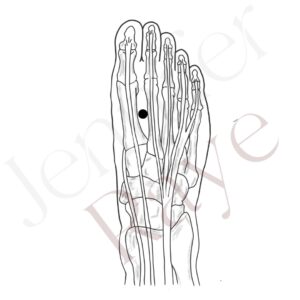
Liver 3 - Taichong - “Great Surge”

Location: On the top of the foot, between the first and second toes, about two finger-widths above the webbing.

Why it works: One of the most potent points for moving Liver Qi, calming the mind, and reducing stress-related headaches, anger, or frustration.
How to apply acupressure:

  • Sit in a comfortable position.
  • Use your thumb to press firmly on this point.
  • Apply circular pressure for 1-2 minutes on each foot.
  • Breathe deeply and focus on releasing tension.

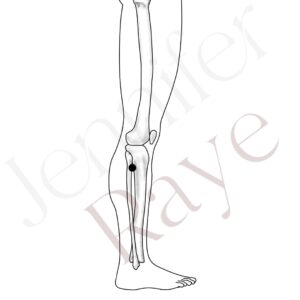
Gallbladder 34 - Yanglingquan – “Yang Mound Spring”

Location: On the outer lower leg, just below and in front of the fibula head (the bony area outside your knee).

Why it works: Relieves tightness in the muscles, particularly in the neck and shoulders, while also promoting the free flow of Liver Qi.
How to apply acupressure:

  • Locate the tender spot just below the knee on the outside of the leg.
  • Use your thumb or knuckle to press firmly.
  • Hold for 30-60 seconds, then release.
  • Repeat on both legs.

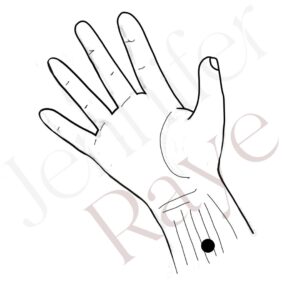
Pericardium 6 - Neiguan – “Inner Pass”

Location: On the inner forearm, about three finger-widths above the wrist crease, between the two tendons.

Why it works: It helps ease stress, anxiety, chest tightness, and emotional overwhelm, making it an excellent complement to Liver Qi balancing.
How to apply acupressure:

  • Press down gently but firmly with your thumb.
  • Hold for 1-2 minutes while taking slow, deep breaths.
  • Repeat on the other wrist.

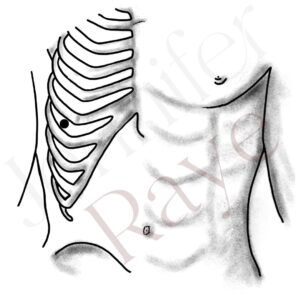
Liver 14 - Qimen – “Cycle Gate”

Location: Below the nipple, in the sixth intercostal space (along the lower ribs).

Why it works: It helps release emotional tension in the chest, improves digestion, and soothes PMS symptoms.
How to apply acupressure:

  • Gently massage the area under your ribs in small circles.
  • Apply steady pressure for 30-60 seconds on each side.
  • Breathe deeply and focus on softening any tension.

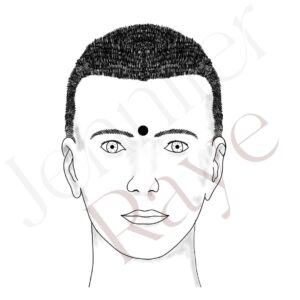
Yin Tang – “Hall of Impression”

Location: Between the eyebrows, in the center of the forehead.

Why it works: While not directly on the Liver meridian, this point helps calm the mind, reduce stress, and balance emotions affected by Liver Qi stagnation.
How to apply acupressure:

  • Gently press with your index or middle finger.
  • Apply light circular motions for 1-2 minutes while breathing deeply.

Final Tips for Acupressure Practice

Consistency is key – Perform acupressure 1-2 times daily for best results.

Breathe slowly and consciously – Breathe through your nose and visualize tension melting away.

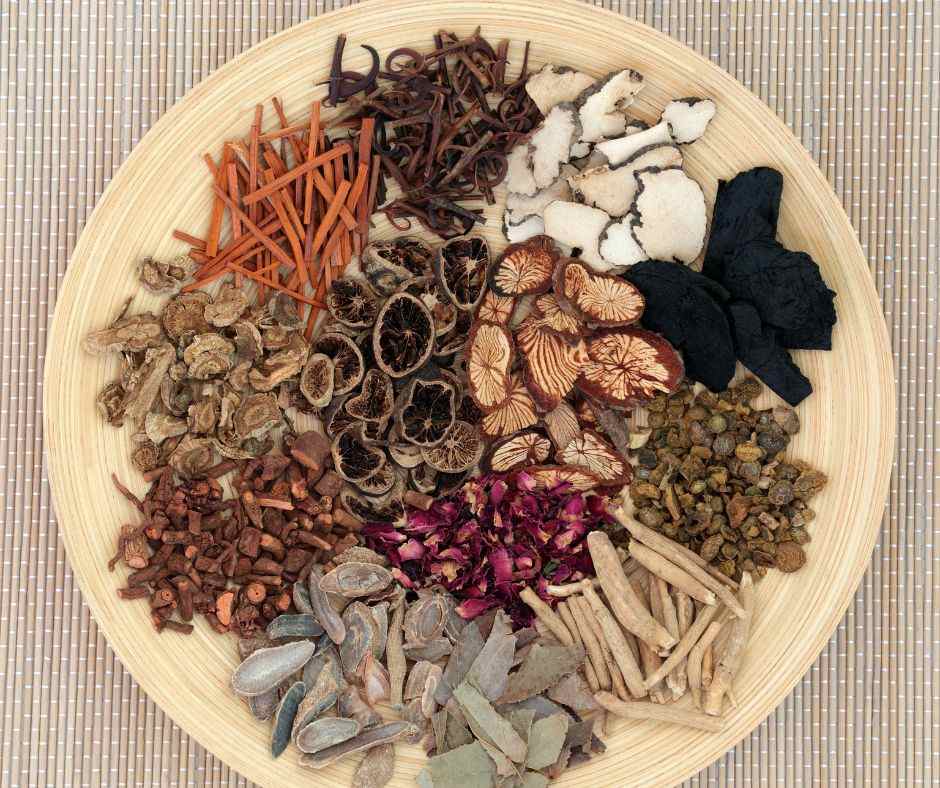
Pair with lifestyle changes – Incorporate movement (like yoga or walking), eat Liver-nourishing foods (dark leafy greens, beets, and sour foods), and practice mindfulness. Find more suggestions here.

By incorporating these acupressure points into your routine, you can help restore balance to your Liver, release emotional stagnation, and feel more relaxed and energized.

Chinese Medicine for Yoga Online Training

Chinese Medicine Food Therapy Online Course

Share This Post:

More To Explore

blog post kidney qi winter audio meditation fatigue jennifer raye

How to nourish Kidney Qi in the winter + audio meditation

“The highest good is like water. Water is good at benefiting the ten thousand things, and yet does not contend with them. ...
Read More →
blog post holiday survival guide jennifer raye

Survive the Holidays with True Self Care

The holidays are fast approaching, and that means things can start to get a little crazy! For many people, the holiday season ...
Read More →
blog post 5 steps for taking herbal medicine safely jennifer raye

5 steps to take herbal medicine safely

Herbal and natural medicine can be very helpful for so many concerns. Unfortunately, the media often exaggerates the potential harm of natural ...
Read More →
supporting summer seasonal recipes

Supporting Summer: Seasonal Recipes for the Fire Season

In Taoist philosophy and Chinese Medicine, yang reaches its fullest expression in summer. Energetically, summer is a time when we can shed some layers and ...
Read More →
blog post lung and large intestine meridians jennifer raye

Lung and Large Intestine Meridians for Yin Yoga

In Chinese Medicine, the Lungs and the Large Intestine are paired. When looking at organs through the lens of Chinese Medicine, it’s important to remember ...
Read More →
blog post acupressure for yin yoga jennifer raye

Acupressure for Yin Yoga

According to Traditional Chinese Medicine (and many other eastern healing arts), the body contains channels of Qi or prana. These channels are generally called meridians ...
Read More →
Scroll to Top