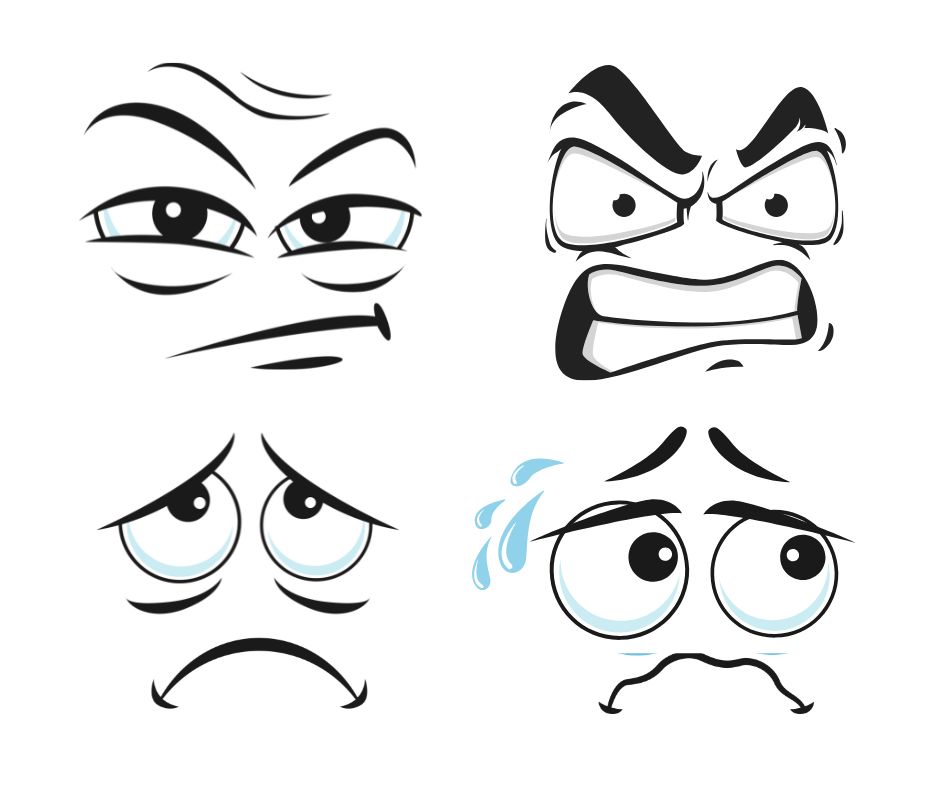

This is one of the most common imbalances, often caused by stress and emotional repression. One of the primary responsibilities of Liver Qi is to make sure everything in the body-mind is circulating, so when our emotions don’t flow, Liver Qi stagnates. Physically, this may present as tension headaches, muscle tightness, sighing, digestive issues, or menstrual irregularities.
EMOTIONAL SIGNS include mood swings, angry outbursts, and feeling stuck, tense, impulsive, or irritable. If Liver Qi stagnation festers, it can turn into melancholy and depression.
 When the Liver’s Yang energy is excessive and ungrounded, it rises upward, leading to intense anger, headaches, high blood pressure, dizziness, and insomnia. Liver Fire is a more extreme form of Liver Yang rising characterized by a red face and eyes, intense, angry outbursts, severe headaches, a bitter taste in the mouth, and even tinnitus. These patterns are common in people who bottle up emotions until they erupt explosively. Excessive alcohol, spicy foods, and unresolved emotional turmoil often fuel Liver Fire.
EMOTIONAL SIGNS include uncontrollable anger and extreme emotions like rage, hostility, and belligerence. This pattern is often due to Liver Qi stagnation, explored above, which has developed over time.
 If the Liver lacks Blood to nourish it, symptoms may include fatigue, anxiety, depression, dry eyes, dizziness, or poor memory. This condition is more common in people who overwork, have poor nutrition, or experience chronic stress.
EMOTIONAL SIGNS include feeling “low, ” especially issues around low self-esteem and feeling timid and indecisive. Liver blood deficiency can also indicate Spleen Qi deficiency from poor digestion, leading to overthinking rather than expressing emotion. This pattern can also cause you to wake in the middle of the night with difficulty falling back asleep.
 Liver Yin Deficiency occurs when the Liver lacks the cooling, moistening, and nourishing properties of Yin energy. This can lead to excessive internal heat, dry eyes and skin, night sweats, or dizziness. This pattern typically occurs due to chronic stress or emotional strain, lack of rest, excess exercise, or long-term Liver Qi stagnation, leading to Yin depletion.
EMOTIONAL SIGNS include nervousness, depression, a feeling of insecurity, anxiety or being on edge.