Food is a powerful healing force. The food we eat ultimately affects our lives, moods, and physical state. Holistic nutrition and cleansing practices were among the first areas I began exploring as I healed my own health issues. Today, these two modalities, along with movement and herbal medicine, are central pillars in the work I do in my private practice with patients and students.
Holistic nutrition teaches that the types of food, how food is prepared and combined, how we relate to food, and who we eat with are all factors in healing. It also recognizes that health and well-being are reliant on stress levels, exercise, and relationships. This framework provides a well-rounded approach to health care.
Each person is unique, and holistic nutrition considers the whole person. Looking at food choices holistically means your diet needs to change with age, lifestyle, seasons, and states of health and disease. When learning about nutrition, it’s essential to acknowledge that there are still many questions and contradictions within the field, and ultimately, figuring out how to eat in a way that is both realistic and healthy for you is a deeply personal process of experimentation.
If you’re using holistic nutrition to heal a specific ailment, there are no quick fixes. Especially in the context of commercial interests seeking to sell the next “miracle solution”, it’s easy to want specific answers about what is “good” and “bad”. But true and deep healing is most often a gradual process. Food has crucial therapeutic value, but its effects are often less drastic and less specific than pharmaceuticals or medicinal herbs.
Ultimately, we need high-quality food and a knowledge of which foods are good for particular imbalances. When I work with clients, I use a variety of foundational concepts to create a holistic diet plan. The following are some holistic nutrition pillars that guide my work:
Attention to Traditional Diets
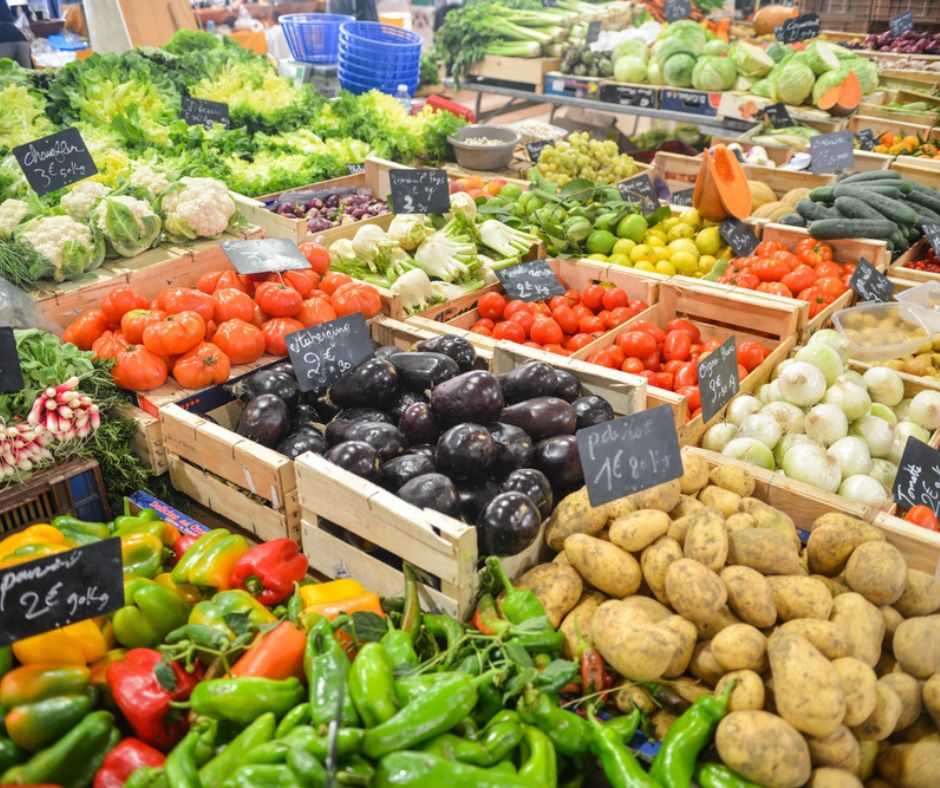
Traditional diets that sustained cultures around the world for thousands of years emphasized whole grains, beans, locally grown vegetables and fruits, small amounts of fish and wild game, and natural condiments, herbs, and spices. When looking at the span of human life on earth, it was only relatively recently that industrial farming practices and the use of fertilizers, pesticides, and herbicides became commonplace. These practices dramatically increased food production and crop yields, but they also ushered in an era of new technologies that enhanced shelf life and increased food processing.
Today, the conventional Western diet has a high intake of animal foods and processed foods (including refined, hydrogenated, and otherwise processed foods, as well as those containing added ingredients like sugar, refined salt, and synthetic chemicals). Weston A. Price was one of the first researchers to notice a connection between the “standard American diet” (S.A.D.) of heavily processed foods and Western health problems. In contrast, traditional societies had nearly no heart disease, cancer, osteoporosis, diabetes or hypertension.
Western Nutrition
As diets become less diverse, nutrient deficiencies (primarily minerals) resulting from food processing and production become more prevalent. In turn, many of these deficiencies lead to degenerative disease. Western nutrition primarily divides food into nutrients. This approach provides a valuable contribution to our understanding of food as medicine. By identifying certain deficiencies or excesses, one can use food nutrients therapeutically to balance the body.
Combining this scientific, nutrient-based approach with an understanding of traditional diets provides a rich, thorough foundation for any diet plan. However, nutrients alone are not enough. Knowledge of how food works on an energetic level and awareness of how it affects each person differently are equally important.
Ayurveda and Traditional Chinese Medicine
Ayurveda (Traditional Indian medicine) and Shi Liao (Chinese food therapy) are systems that were created using a plant-based, whole, fresh, seasonal, and regional diet. These holistic models provide a framework that outlines the energetic effects of food. Each system has complex diagnostic methods for determining constitutional types and pathological states.
Within these energetic models, characteristics like thermal qualities, actions on meridians, directions, and therapeutic effects inform a deeper understanding of each food. Integration of an eastern understanding doesn’t mean one must only use Chinese or Indian foods, spices, and herbs. Instead, this energetic view of food can be applied to any diet regardless of culture or specific preferences. By understanding the energetics of food, we can achieve a much more nuanced approach to food therapy.
Hydration, Cleansing, and Fasting
The importance of hydration to overall health cannot be understated. Our bodies are made of water! Water provides detoxification, lubrication, and helps with assimilation, among many other important functions.
Fasting and cleansing have been used historically as healing remedies in almost every major culture and spiritual tradition. Many people today are exposed to high levels of toxins daily. Cleansing techniques can counteract this toxic overload and support the body’s natural detoxification pathways. Both healthy and unwell people can use cleansing. Some people find cleansing with the seasons helpful, while others use cleansing to clear out old emotional patterns or to reset the diet. Again, these choices are personal and depend on your health goals.
Food as a Healing Art
When we focus on eating whole, unrefined foods, eating in harmony with nature, and choosing foods based on our unique constitution and circumstance, we discover that food selection, preparation, and eating are a healing art. This art is a paradox; beautifully complex, yet profoundly simple. Using food as medicine invites us to be our own advocate and take our health into our own hands.