The Healing Power of Almonds and How to Make Almond Milk

blog post how to make almond milk jennifer raye

Almonds are used in healing diets to restore and nourish all the body’s tissue layers. Almonds are the oldest cultivated nut and are considered the most medicinal.

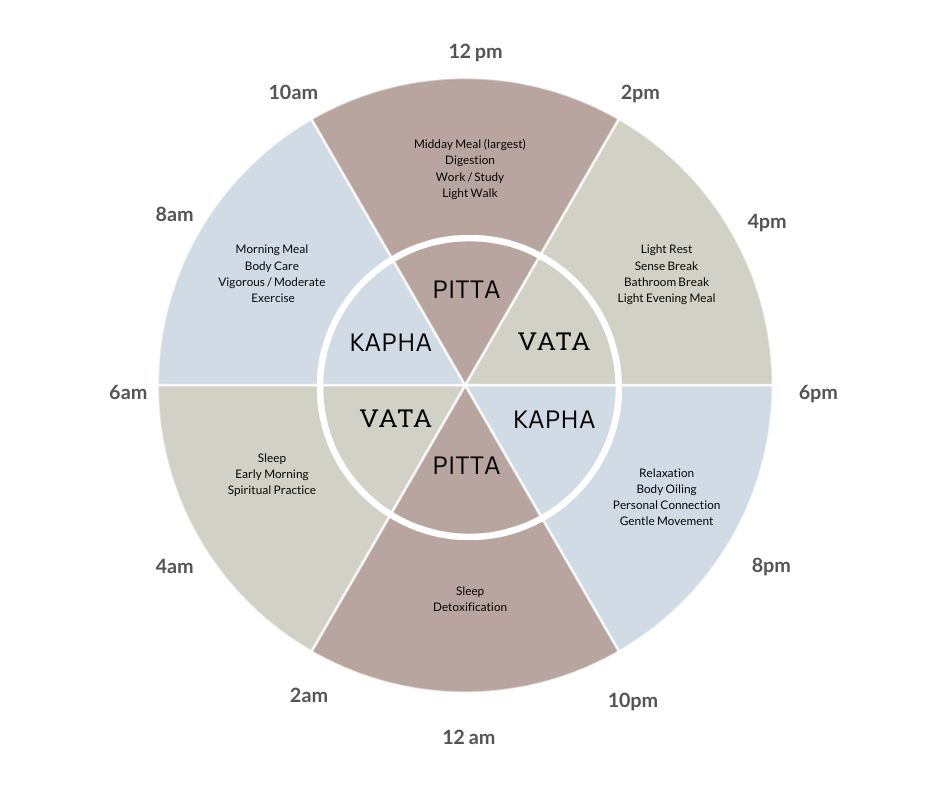
Almonds are thought to reduce vata in Ayurvedic medicine. They support the nervous, digestive, and reproductive systems and are very nourishing for the skin. Energetically, they’re considered cooling and nutritive. As kitchen medicine, they help to relieve dry coughs, constipation, Kidney stones, and gallstones. Several substances in almonds have been shown to have an anticancer effect. Almonds also contain protein, B vitamins, calcium, potassium, iron, phosphorus, and high levels of vitamin E.

The best way to consume almonds is to soak them overnight. This will help to remove the brown skin, which can irritate the stomach. Just rub the nut between your fingers after soaking, and the skin should slide off. Eat almonds raw or lightly toasted. When you buy almonds, however, be sure to buy those with the brown skin, as this helps protect the nuts from going rancid.

Check out the video and recipe below to get the quick lowdown. Hope you enjoy!

How to Make Almond Milk

Almond milk is a wonderful, delicate, dairy- and soy-free beverage. Making your own fresh almond milk is easy, cheap, and healthy, and it provides much more vitality than commercially available products. Plus, making your own reduces the need for packaging and transport.

Ingredients:

  • 1 cup almonds
  • 6 cups water
  • 4 medjool dates or maple syrup to taste

Directions:

  • Soak almonds in water overnight. Discard the soaking water after soaking.
  • Rinse and optionally remove the brown skins.
  • Combine water, dates and almonds
  • Add pitted dates or maple syrup
  • Blend until smooth
  • Pour through a cheesecloth or nut milk bag. You could save the remaining pulp for baking.
  • Milk should last 3-5 days in the refrigerator. Enjoy!!
Chinese Medicine Food Therapy Online Course

Calm and Renew Online Program

Share This Post:

More To Explore

blog post yoga and the five elements of chinese medicine jennifer raye

Late Fall Self Care: The Season of Slowing and Rooting

The plants dive into the ground now, their deep roots growing beneath us, seeking nourishment from the mineral-rich soil below. This is ...
Read More →
eat for spring with TCM and Ayurveda

Eat for Spring: Nourish Your Body with TCM and Ayurveda

As winter’s cold stillness gives way to spring’s vibrant energy, our bodies undergo a natural shift, mirroring the changes in nature. Traditional ...
Read More →
blog post boost qi with medicinal qi tonic porridge jennifer raye

Boost your Qi with Medicinal Qi Tonic Porridges

In Chinese Medicine, the body and mind function through the interaction of the “vital substances.” The vital substances are Qi, Blood (Xue), ...
Read More →
solar terms TCM summer

Solar Terms or Seasonal Points for Summer

Many earth-based wisdom systems recognize the need to participate with, rather than work against, the changing seasons. When we live in harmony with seasonal change, ...
Read More →
blog post how to use the five flavors of chinese medicine fatigue jennifer raye

Food as Medicine || Using the Five Flavours of Chinese Medicine

“If people pay attention to the five flavours and blend them well, Qi and Xue (Blood) will circulate freely, and breath and bones will be ...
Read More →
blog post natural remedies for pain and inflammation jennifer raye

Natural Remedies for Pain and Inflammation

Whether it’s shoulder or knee pain, headaches, joint pain, menstrual cramps, back pain, or IBS gut pain, chronic pain can be very difficult to live ...
Read More →
Scroll to Top