The practice of yoga that we do today comes from varied traditions based in ancient India. Most of what is called yoga today can be traced, at least in part, to the Hatha Yoga tradition. Hatha Yoga was primarily concerned with strengthening and preparing the body for other practices, such as sitting meditation. From its origins, Hatha Yoga has expanded to include many styles of practice.
Today’s video is all about a style of yoga called yin yoga. In this video, I answer the question, “What is yin yoga?” and “How does yin yoga work?” Also, make sure to check out the resources I’ve included below!
Yin and Yang
You may know that the terms yin and yang are borrowed from Taoism and Traditional Chinese Medicine. The word yang refers to relative masculine qualities in comparison to something that would be more yin and feminine. Yang is faster, stronger, more external and dynamic. Yin is softer, more passive, internal and gentle.
Most physical styles of yoga today emphasize a more “yang” approach. At the same time, yin yoga refers to a more yin approach.
What is Yin Yoga? How does Yin Yoga work?
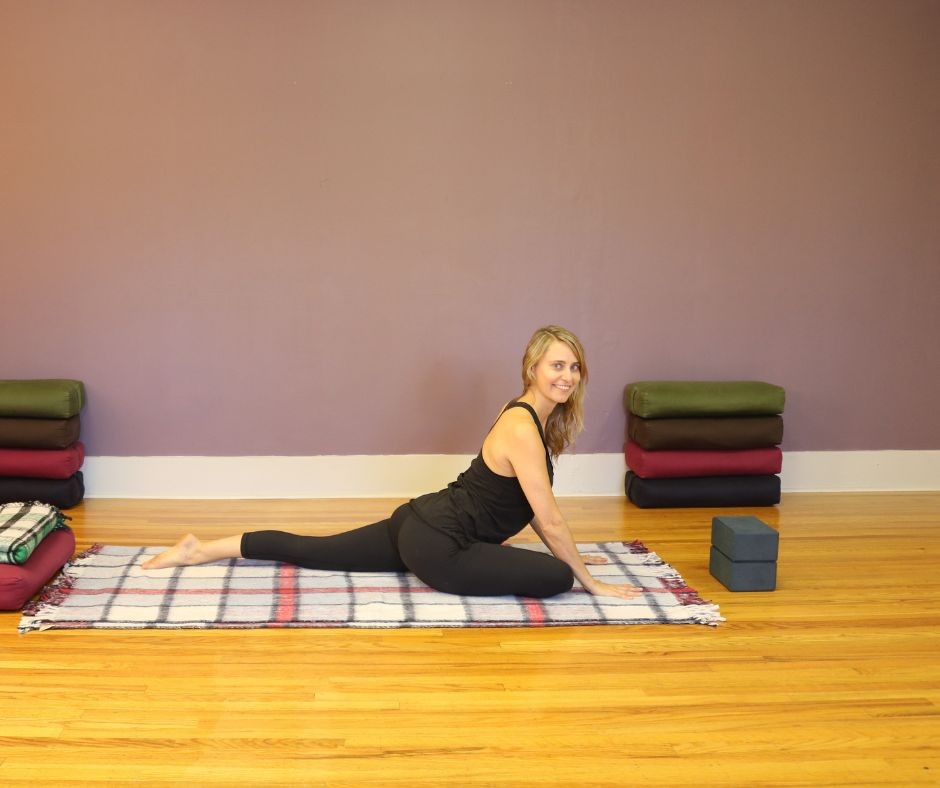
During yin yoga, we hold postures for longer periods in a very passive, receptive way. Most postures are also done on the floor. This can help to target specific tissues, increase circulation, and encourage more mobility. Often, yin yoga is practiced in a way that encourages internal awareness practices like meditation, contemplation, or pranayama (breath practices).
Foundations of Yin Yoga
In yin yoga, postures are held by entering a pose and reaching a place sometimes called the “edge”. In this context, “the edge” is a place where there is a manageable amount of sensation. This edge is not a place of pain or a place that feels too intense. Instead, it’s a place where you feel some pressure. This sensation indicates there is adequate or appropriate stress on the tissues. This can lead to greater circulation in the tissues and joint sites.
Feeling (sometimes strong) sensation in the pose is one of the ways yin yoga is different than restorative yoga. If you want to learn more about yin yoga vs. restorative yoga, check out “What’s the difference between yin yoga and restorative yoga?“
Once the edge is found, the practitioner mainly relaxes the musculature. Yin Yoga postures are also held in relative stillness for longer periods. Depending on which pose is being done, there may be some muscular engagement, but for the most part, during yin yoga, you can soften. The amount of muscular engagement will also depend on the person, as some yogis need engagement to protect vulnerable joints or injuries.
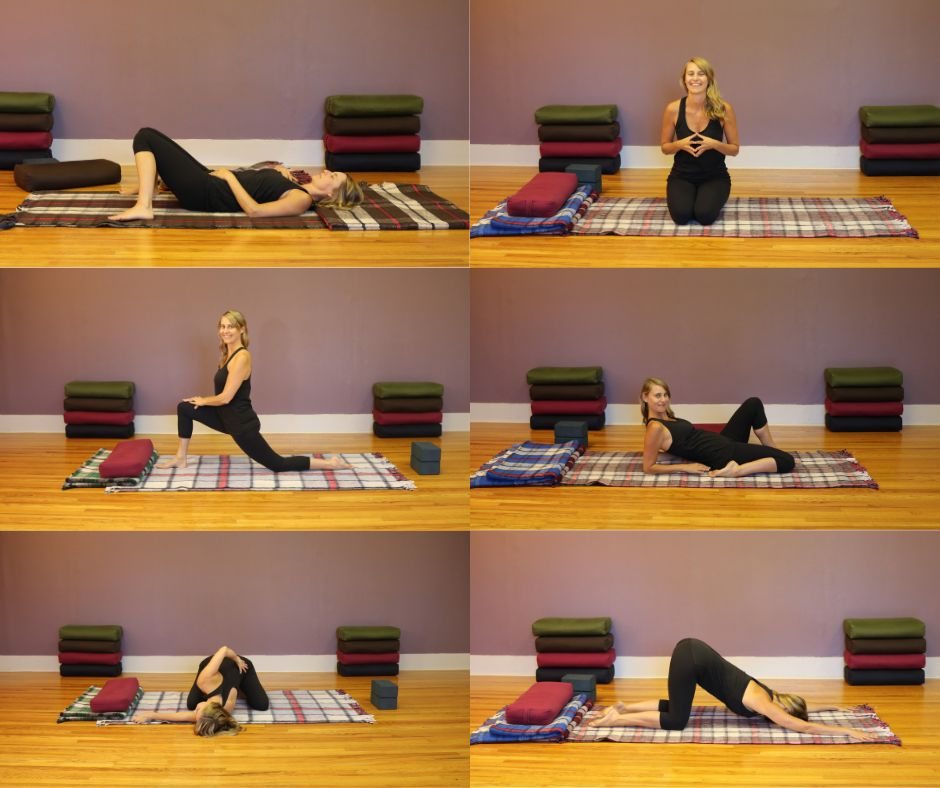
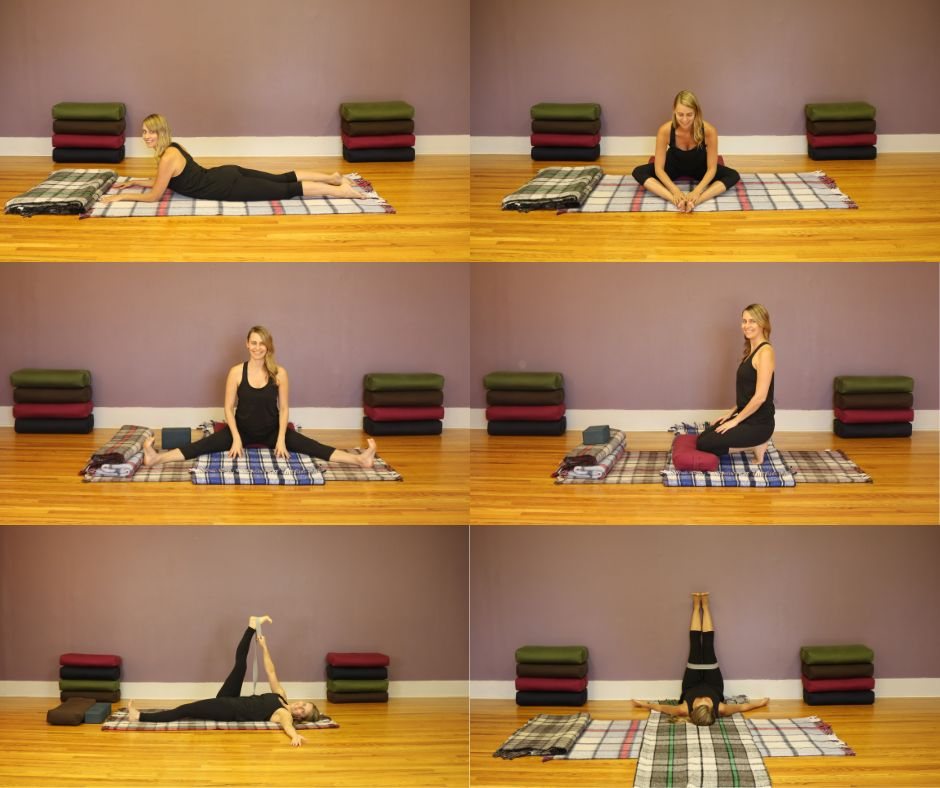
View a few examples of yin yoga poses with instructions on how to practice:
Benefits of Yin Yoga
Yin yoga encourages fluids and blood to flow into the tissues and joints, keeping them supple and healthy. The yin style targets what we call the “yin” tissues of the body, while the yang style practice activates more of what we could call the yang tissues, like the larger muscles.
The yin yoga practice can calm the nervous system, and you can develop your meditation practice during the long holds. Yin yoga is also believed to increase the circulation of Prana or Qi through the body’s energetic system. All movement and yoga poses help circulate Qi through the body’s meridian system, but yin yoga, in particular, encourages Qi to move into the deeper structures.
Origins and Development of Yin Yoga
Western teachers such as Paulie Zink, Paul Grilley, Sarah Powers, and others have popularized and contributed to the development of this style by integrating their understanding and practice of Taoist and Eastern energetics and Buddhist meditative practice into slower yin-style movements.
While the term “yin yoga” was coined more recently and refers to a specific style of yoga, a slower, more contemplative approach to yoga practice has been part of the yogic tradition for a very long time.
There are many ways to make yoga practice more yin that go beyond just the common yin yoga postures. Slowing down, focusing on internal sensations, and staying close to the floor are all yin qualities you can bring into your yoga practice.
Creating your Yin Yoga Practice
One aim of yoga is to create balance in the body, heart, and mind. Because our contemporary approach to yoga practice has tended to be more yang, and our culture also favours yang, a slower, more yin-style practice helps to create balance.
When first beginning a yin yoga practice, it can seem too slow and passive, but just because it is quiet and simple does not mean it is easy! Holding the posture for more extended periods allows the opportunity to explore sensation and the nature of the mind. In this way, you can develop greater states of presence while simultaneously opening the physical body.
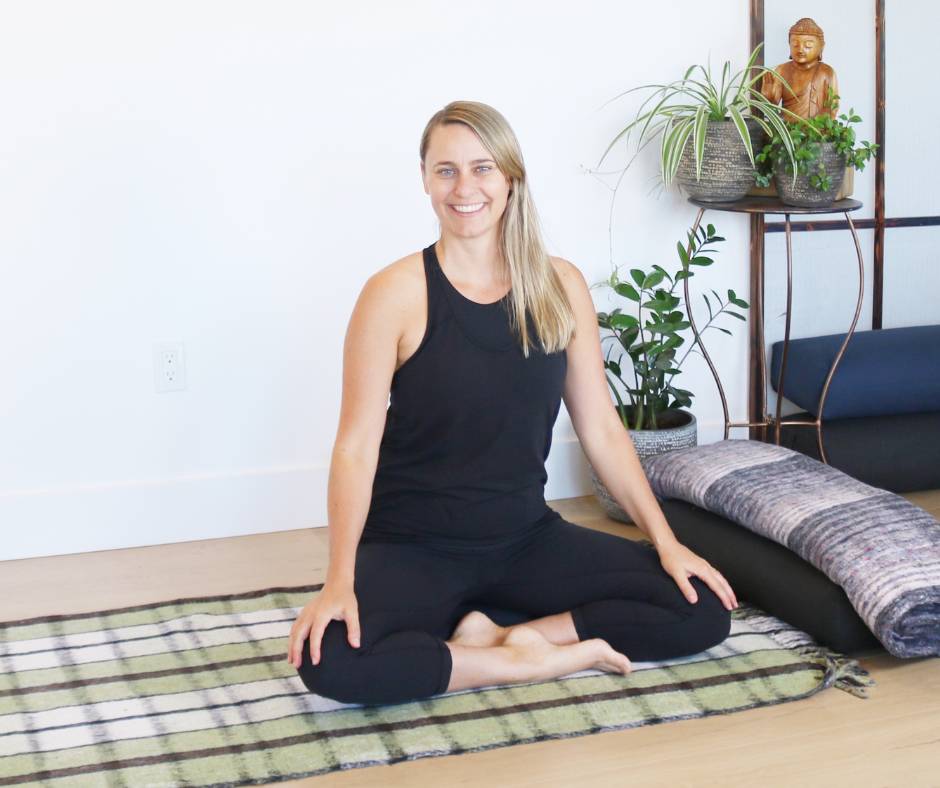
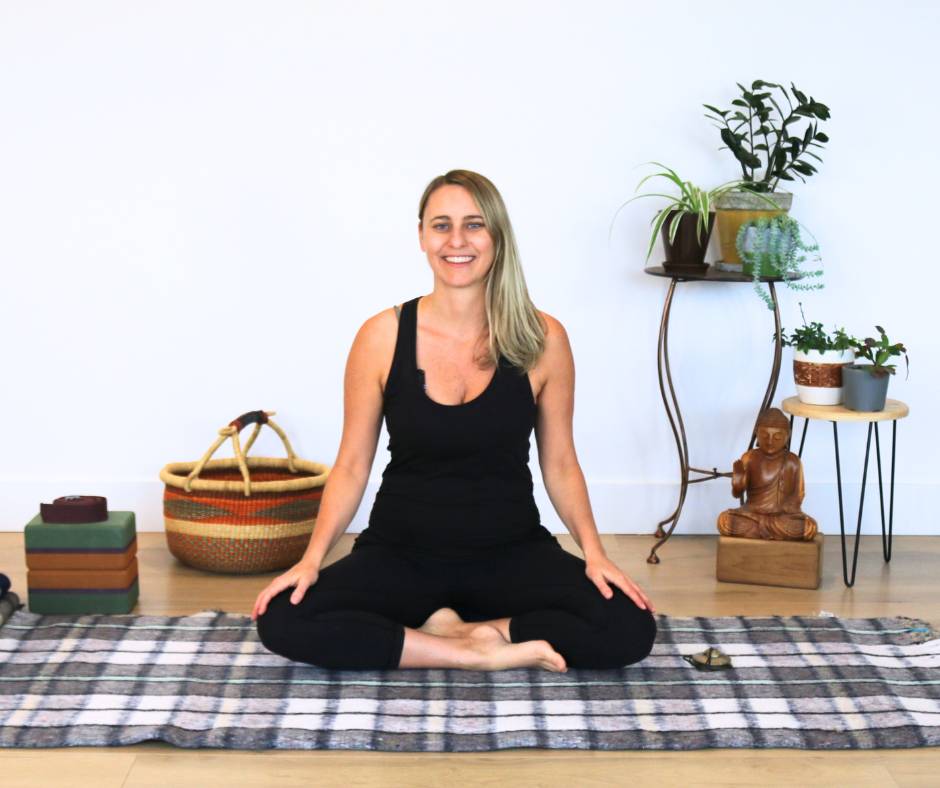
The yin yoga practice is more cooling and quiet, so I suggest making sure you’re comfortable. If you tend to feel a little cool, you could practice in a warm room. It’s also nice to have some extra props, like blankets and bolsters or cushions, to use as needed. If you’re practicing on your own, having a timer is nice so that you can stay in the posture for the same amount of time on both sides.
While you practice each posture, remember you can focus on your breath to calm and clear your mind. When it’s time to move out of the pose, take your time and engage your muscles as you move. The tissue that is targeted in a yin-style practice can be more sensitive. As you release the pose, give the body time to adjust, and notice the sensation of blood, fluid, and Qi rushing to the area you targeted.
Practice yin yoga along with me:
- Gentle Yin Yoga Practice on the Wall
- Full-Length Mindful Yin Yoga Practice
- Yin Yoga Practice for Energy
- Yin Yoga Rental Classes and Online Courses
Thank you for reading and watching!