
I first found yin yoga when I was heartbroken. Day by day, I would return to the studio and sink into my mat, letting go for just those 90 minutes. What I found in that stillness was a place where everything was ok, even when it was so obviously not.
I cried.
I sighed.
I rested.
And I laughed.
And to this day, my mindful yin yoga practice helps me come home.
"Our true home is not in the past. Our true home is not in the future. Our true home is in the here and now. Life is available only in the here and now, and it is our true home. Mindfulness is the energy that helps us recognize the conditions of happiness that are already present in our lives. You don't have to wait 10 years to experience this happiness. It is present in every moment of your daily life. There are those of us who are alive but don't know it. But when you breathe in, and you are aware of your in breath, you touch the miracle of being alive. That is why mindfulness is a source of happiness and joy."
Thich Nhat Hanh
All of our yoga practice can wake us up. It can help us to face whatever is happening in our lives with greater clarity and trust. Yin yoga also has other benefits:
Reasons to Practice Yin Yoga:
Balance Your Active Practice
The practice of yin yoga requires us to embody a more yin state in the mind and physical body. Yin qualities are more passive, receptive, slower and deeper. In contrast, yang qualities are more active, externally focused, faster, and hotter.
We can find balance in our yoga asana (posture) practice through both yang and yin practices.
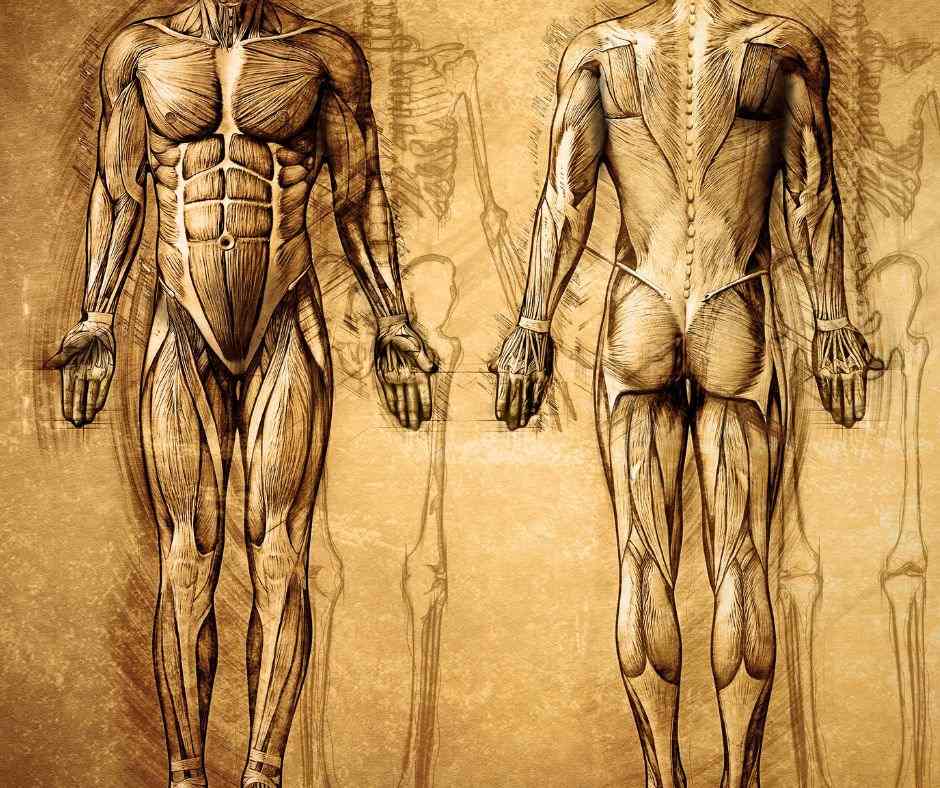
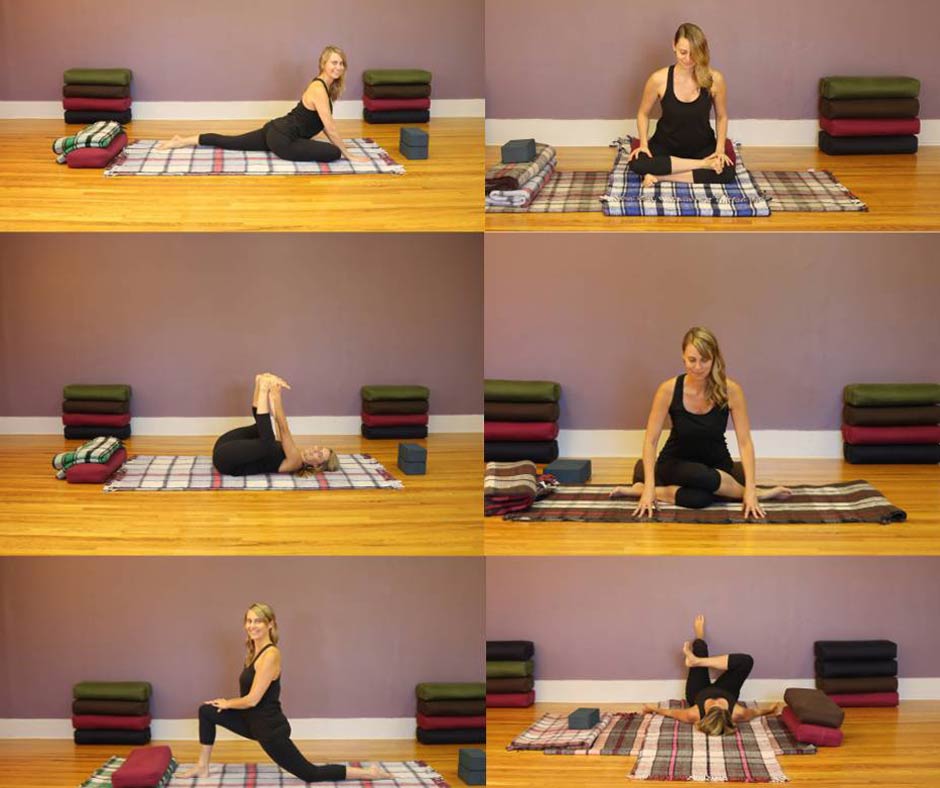
In yin yoga, we hold postures for more extended periods (usually 3-5 minutes) in a passive, receptive way. Most postures are done on the floor and focus on the lower half of the body and the deeper structures and tissues, which are considered the more yin parts of our anatomy.
Flexibility / Mobility / Lubrication
As we hold the yin postures and soften the musculature, we gain access to a deeper layer of tissue that is usually protected when we engage the muscles in a more active practice.
The long holds put gentle pressure on the connective tissue, tendons, and ligaments, helping increase the tissue’s moisture content. Greater fluidity at tissue and joint sites helps increase flexibility, mobility, and lubrication. This supports a wide range of physiological and anatomical functions.
Circulation and Cultivation of Prana
Greater moisture in the tissues also helps free the flow of prana (Qi). Prana or Qi circulates throughout the body in channels called “meridians” or “nadis”. The naked eye cannot see prana – it makes up what is called the “subtle body” or “energy body”.
In our yoga practice, we can learn to identify and work with this energy body for greater healing.
Through pressurizing specific areas of the body, yin yoga helps us cultivate a more resilient, subtle body and move any energetic blocks that may be causing physical or emotional symptoms.
Stress Reduction
Many of us live such busy lives. Because of the barrage of stimuli we encounter daily in the form of media, cultural influences, and addictive foods, our sympathetic nervous systems are on hyperdrive, and we can find it difficult to relax.
The sympathetic nervous system is often called the “fight, flight, or freeze” mechanism. When activated, the body ignores secondary priorities such as digestion, hormonal regulation, sexual function, and memory to focus its energy on responding to a stimulus it perceives as threatening.
The problem occurs when the body doesn’t shut off the stress response.
Practices that foster a contemplative state of mind and stillness in the body can help reset the nervous system and activate the parasympathetic response (the “rest and digest” response), leading to greater states of peace and healing. Many of the yin postures and practices are designed to trigger this relaxation response.
Presence on and off the Mat
By holding postures for more extended periods, we train the mind and body to stay in the present even when we feel uncomfortable. The practice of slowing down and being still can have a profound effect on the way we relate to our experience. As time and gravity pull us deeper into each posture, we have the opportunity to notice all of the ways we distract ourselves from being here now.
Perhaps it’s our anxiety, or our perpetual negative self-talk. Whatever it is, we have the chance to see it clearly and use it to gain greater self-awareness. Through the practice of staying present to whatever is arising, we actually start to form new neurons in the brain!
This is excellent training for the real world. When we come up against our “stuff”, our practice makes us more likely to respond rather than react to discomfort and pain. We see our patterns clearly and show up more fully.
Preparation for Meditation
Finally, yoga, in particular yin yoga, prepares the body and mind for seated meditation.
Activation of the connective tissue opens the hips, legs, and back and helps create more space with less pain when seated. For anyone who tolerates a certain amount of discomfort during seated meditation, doing a few yin postures before sitting will help to create more elasticity in the joints and tissues.
Yin yoga also prepares the mind by helping it to settle and calm before moving into a formal meditation. Yogis can enhance this benefit by placing their attention on the breath, in a gentle yet concentrated way, as they move through a yin sequence to focus the mind.
There are many reasons to practice yin yoga. I hope you try it out if you haven’t already.
Practice with my free online yin yoga videos
Want to learn more about yin yoga? Check out my Mindful Yin Yoga Online Training.