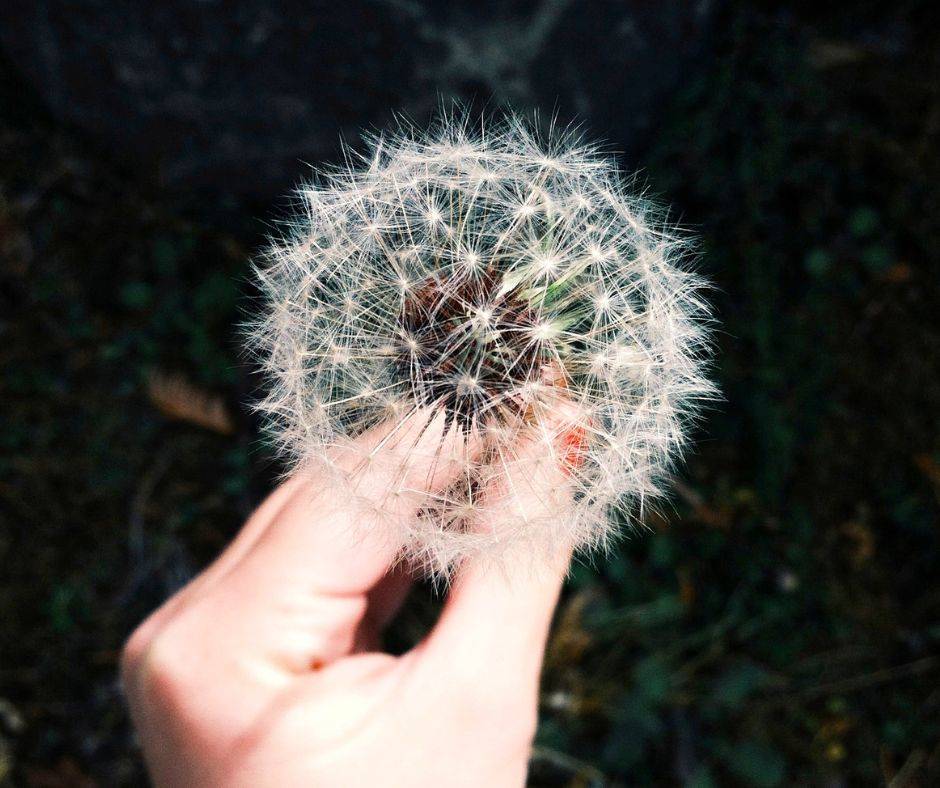
The sacred is all around us when we pause to notice. When we meet the simple moment with wholehearted attention, we find this truth.
Developing a practice in which you aim to feel the breath in your lungs, the warm sun on your face, and the brush of air on your skin allows you to experience the divine every day.
“Yoga is like music. The rhythm of the body, the melody of the mind, and the harmony of the soul, create the symphony of life.”
B.K.S Iyengar
One of the most tangible benefits I’ve felt in my own yoga practice is that it has increased my ability to appreciate the simple moments in life. Through yoga or meditation practice, we develop the capacity to meet the mystery and the simplicity of the present moment, whatever it contains.
Cultivating stillness in our practice allows us to drop into this simplicity.
To find stillness and presence amidst the voices and reactions within us, we need to relax our need for control. We need to release the continual desire to push and pull, to hold on and contract. Tension is created when we want to be somewhere other than where we are now. This tension causes restriction in the physical, mental, and subtle energetic body. Tensing up to reach a future goal doesn’t allow us to experience the richness and simplicity of the present.
Finding stillness could, in many ways, be considered an advanced practice. We may not be moving deeper physically, but skillful stillness still requires training the mind. When we ask ourselves to stay, even when physical sensation is present, an interesting thing happens. This staying elicits reactions that are often familiar. Anxiety. Restlessness. Boredom. Judgement. Comparison. Zoning out. Tension.
In fact, much of our lives is controlled by the belief (conscious or unconscious) that we need to become tense to direct our lives somehow.
Many of us live with the idea that “I just need to get through this one thing and then I can relax”. Our culture encourages this belief system by valuing drive, hyper-stimulation, achievement and ambition over receptivity and ease.
When we start to let go of the need to be in control in our practice and our lives, we release the tension bound up in the body, heart, and mind. We find, through stillness, that we can feel the exhale fully and arrive right here, right now.
Our mind is tricky, though – it has ways of co-opting even the most wholesome practices and making them tools for self-deprecation. We must be aware that this practice of stillness, if approached in an unskilful way, can further reinforce our habitual tendencies towards tension and aggression towards the self. Instead of helping us to relax and open, the practice becomes another place where we’re not enough; we place pressure on ourselves to perform and achieve.
Instead of this aggression towards our experience, we can use the practice of stillness and presence to be in our lives more fully, so that we truly experience the full spectrum of what is happening — even when it’s difficult, painful or uncomfortable.
In our practice, we fully arrive here and now so as not to miss our lives.
Letting go of our desire to change our circumstances and our need to be in control is a dance. It doesn’t mean we grin and bear our difficulties without feeling. The practice is not to endure. As we bring attention to whatever is present, there is the possibility of relaxing and creating space around it.
It takes a deep willingness and dedication to truly stay with an aching hip, a confused mind, or a broken heart. Instead of just rushing through the moment, we rest with the reality of the situation right now. When we practice, we nurture the ability to hold our experience more lightly. We notice the myriad fluctuations of body, heart, and mind — both internal and external changes — and begin to recognize the transient nature of our experience. We not only cultivate the ability to stay awake during painful moments, but also the capacity to more fully experience positive moments.
“The present moment is filled with joy and happiness. If you are attentive, you will see it.”
The Buddha
When we wake up and find more presence, we experience more joy in the simple moments. When we stay awake to how things are now, we develop the ability to see the synchronicity and opportunity that exists around us.
It is through this recognition of our inherent wakefulness that we can experience immense joy through the fullness of every moment.