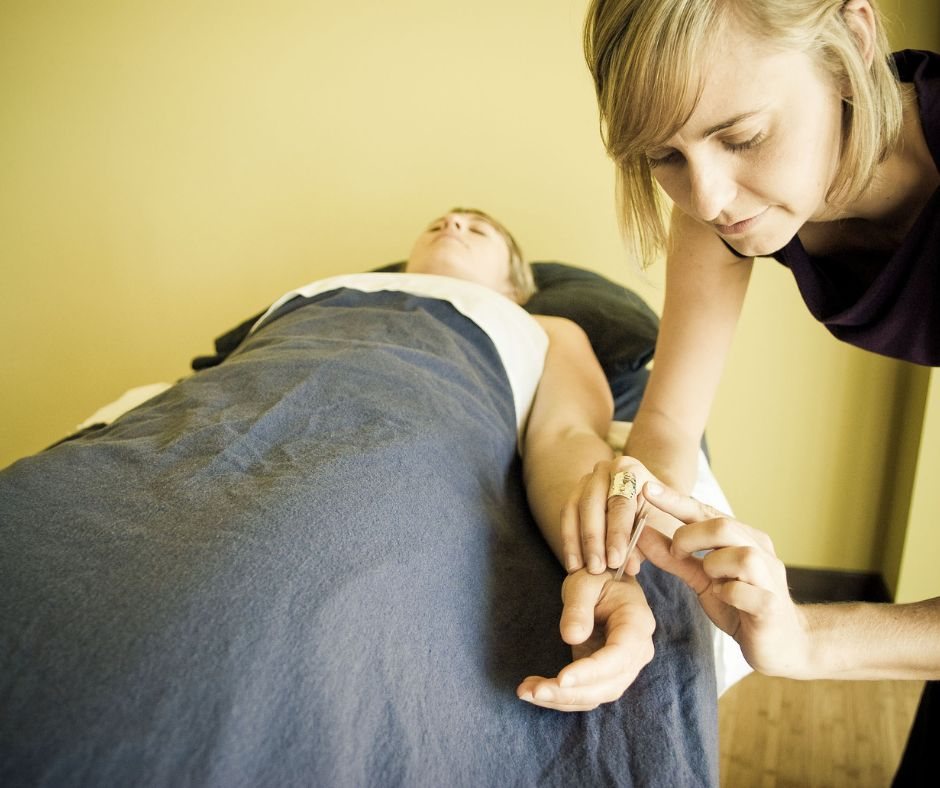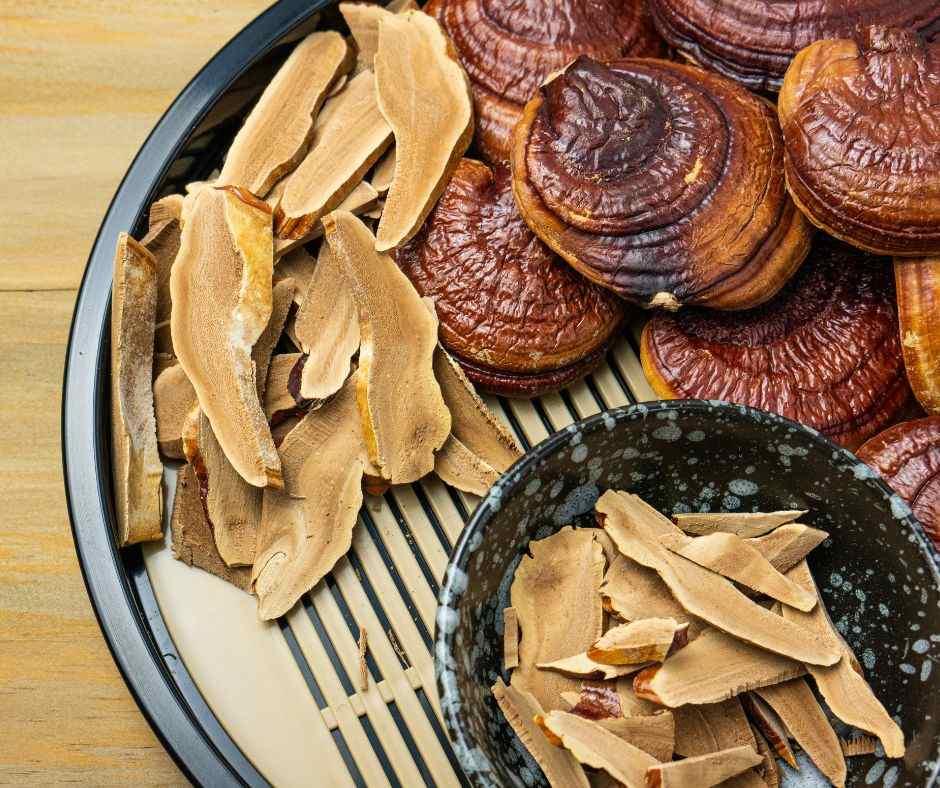
Traditional Chinese Medicine is an ancient system of healing that physicians have used for over 2500 years. The practice of Chinese Medicine includes acupuncture, herbal medicine, various forms of massage and bodywork, physical exercises, and food therapy. It’s a holistic system that can address a wide range of health problems, including emotional difficulties.
Chinese Medicine maps the body and mind as an interrelated web of interactions and relationships. It relies on the principle that a part can be truly understood only by looking at the whole.
Within Chinese Medicine, emotions are recognized as a major influence on illness and vitality. In Traditional Chinese Medicine, emotions are associated with organ systems and the five elements. When emotions persist for too long, are held onto, or go unexpressed, it’s a sign of imbalance. Those imbalances lead to disease and illness.
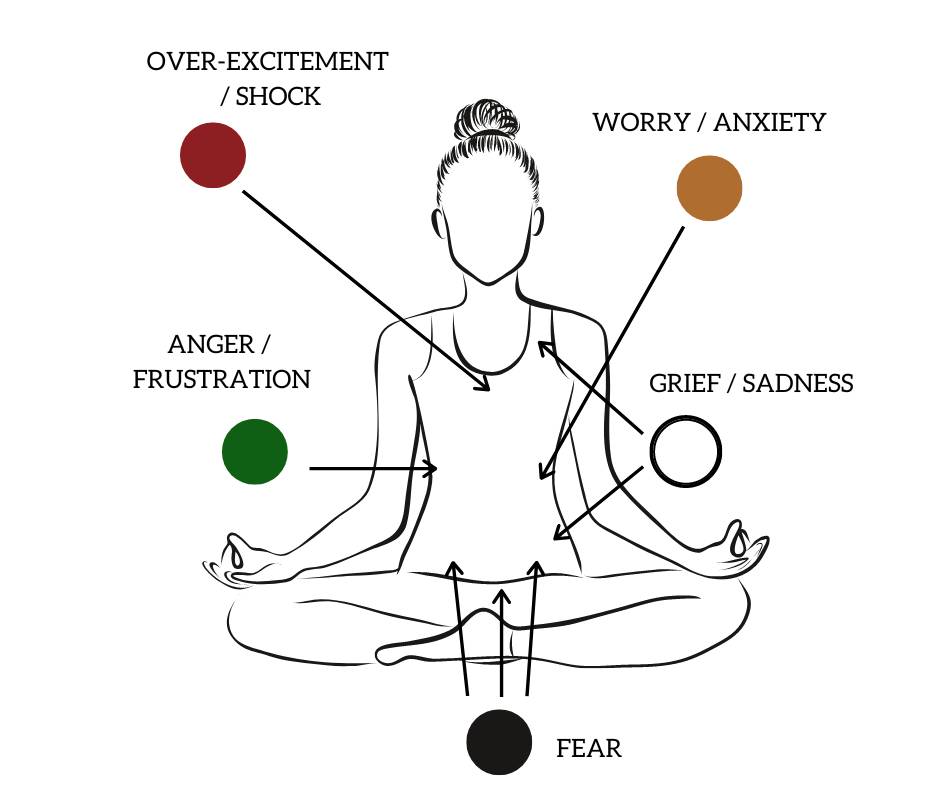
Each emotion has an energetic imprint. Fear causes energy to sink or freeze; anger rises upward; over-excitement disperses energy; worry and overthinking cause sluggishness; and grief or sadness causes energy to deflate.
Use the following to decode and work with your emotions using the healing art and science of Chinese Medicine. There is so much to say when it comes to these energetics, but this should get you started!
Fear || The Kidneys, Bladder, and Adrenals
Fear is related to the water element, the Kidneys, and the Urinary Bladder.
The water element supports willpower and houses our deep potential. When we overtax the body/mind, the water element becomes depleted, we lose connection to our highest values, and we experience fear. When a person has this imbalance, they constantly feel threatened and suspicious and can be hard or cold. According to Chinese Medicine, this person may be prone to conditions such as arthritis or deafness.
TRANSFORMATION OF FEAR into WISDOM:
We find harmony in the water element by balancing assertive action with nurturing self-care. Support the water element and counteract the emotion of fear by repeating a phrase of care towards yourself, such as “may I be well,” or by using a guided metta meditation to get started.
Anger || The Liver and Gallbladder
Anger is associated with the Wood element, the Liver, and the Gallbladder.
The wood element supports direction and growth. If it gets stuck, vision is clouded, and emotions don’t flow, leading to frustration. When a person exhibits this kind of imbalance, they can get easily upset and frustrated. They may be dedicated & controlled, but when stress or obstacles build up, they become volatile, tense, and explosive. According to Chinese Medicine, this person may be more prone to ulcers and migraines.
TRANSFORMATION OF ANGER into COMPASSIONATE ACTION:
We find harmony in the wood element through directing and moving our energy constructively. Support the wood element and counteract anger with creativity, physical movement like dance, and taking action on issues you care about. You could also try these acupressure points.
Over-Excitement || Heart, Sm. Intestine, San Jiao, Pericardium
Shock and over-excitement are related to the fire element, the Heart, Small Intestine, “San Jiao”, and the Pericardium.
The fire element relates to consciousness & happiness and is affected by excessive stimulus or excitement. A person with this imbalance constantly seeks more activity, has a hard time with intimate relationships, and may not be able to find calm easily. According to Chinese Medicine, this overactivity can cause heat, which leads to concerns with insomnia or anxiety.
TRANSFORMATION OF OVEREXCITEMENT into PEACE :
To support the fire element and cool the emotion of over-excitement, try a practice of 10 breath cycles, breathing through your nostrils and aiming to lengthen the exhale. Practice for 10 cycles of breath. Try these practices to get started.
Worry || The Spleen and Stomach
Worry is related to the earth element, the Spleen, and the Stomach.
The earth element represents nourishment and digestion. When we over-consume and our capacity to process input is overwhelmed, the earth element is affected, and we experience worry and over-thinking. This person can be nurturing and dependable, but they may also ruminate on thoughts over and over, become obsessive, feel stuck, or feel bored. According to Chinese Medicine, this person may tend to feel heavy and have weak digestive function.
TRANSFORMATION OF WORRY into GROUNDING :
We find harmony in the earth element by finding our inner sense of stability, nourishment, and grounding. To support the earth element and balance the emotion of worry, try journaling, spending time in nature, and seeking the support and connection of others.
Grief || The Lungs and Colon
Grief is related to the metal element, the Lungs, and the Colon.
The metal element is related to grief and sadness. It’s concerned with taking in new inspiration and letting go of what no longer serves. When grief is overwhelming, and the metal element is out of balance, a person can insulate themselves. This type of person controls their environment to avoid pain and can become detached. According to Chinese Medicine, this imbalance can manifest in constipation and rigidity.
TRANSFORMATION OF GRIEF into INTEGRITY:
We find harmony in the metal element by understanding the truth of impermanence. Support the metal element and lighten the emotion of grief, practice letting go during meditation, and incorporate movements that open the upper lungs. Try a supported backbend or a breathing practice to lengthen the inhale. Or try this yin yoga sequence for the Lungs.
Bringing it together
Now that you’ve learned about the primary emotions according to Chinese Medicine, take note of which emotion tends to be strongest for you and try out one of the practices. Remember, you can support the related element and organ system to find greater health and wellness!
Learn more here: When the Heart Speaks: Emotions Through the Lens of Chinese Medicine