
Inflammation is probably something you’re familiar with by now. Maybe you’ve experienced an infection, a sore throat, or a hot, painful joint. All of these are examples of inflammation in the body. Any condition ending in –itis could have inflammation, such as arthritis or diverticulitis. Inflammation is a necessary and helpful part of the body’s healing response. However, when inflammation is chronic, it can cause havoc. When your immune system initiates an inflammatory response, it releases inflammatory cytokines. When left unchecked, these cytokines can lead to various health problems.
Chronic inflammation can involve many systems in the body, and symptoms can vary from person to person. If you eat processed food, drink alcohol, have high-stress levels, don’t get enough sleep or exercise, are exposed to toxicity of some sort, or feel crummy, you may need to focus on reducing inflammation. Even if none of those apply to you, it’s always a good idea to include anti-inflammatory foods in your diet for prevention.
When addressing chronic or systemic inflammation, the first step is to eliminate its causes. Start with the basics—eat whole, natural foods, get enough sleep, hydrate with clean water, and avoid processed foods and trans fats. I also recommend an elimination diet.
Haven’t done an elimination diet before? Be sure to check out Calm and Renew. That program leads you through an elimination diet, helps you heal your digestion, and aims to get systemic inflammation in check once and for all.
Next, add foods and herbs that reduce inflammation, support your body’s natural detox pathways, and help heal its harmful effects. Read below for my top eight anti-inflammatory foods:
Turmeric
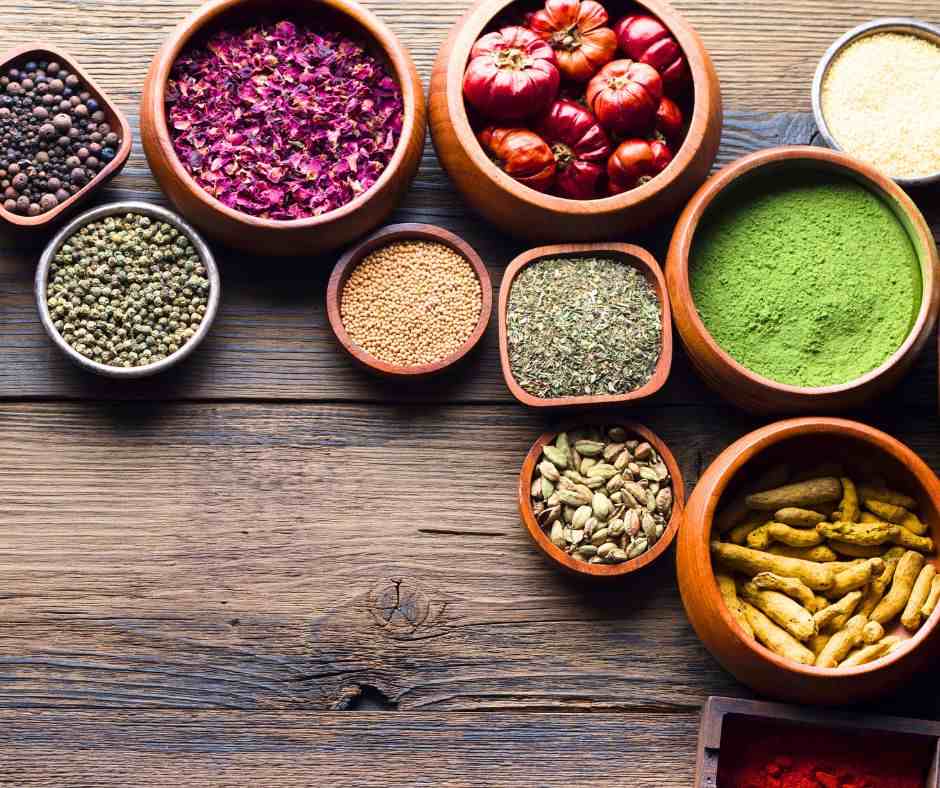
Turmeric is a fantastic spice! You may know it from its well-known yellow colour and its use in Indian cuisine. Turmeric is particularly helpful in relieving the symptoms of osteoarthritis and rheumatoid arthritis, but it can also be used for a range of other inflammatory conditions.
One reason turmeric is helpful for inflammation is a compound it contains called curcumin. Curcumin is a cytokine and a COX-2 inhibitor. In other words, it prevents the formation of inflammatory compounds. This quality puts it in the same class as ibuprofen.
The easiest way to use turmeric is in food. For best results, use about 1/4 – 1/2 a teaspoon of the ground root daily. You could also use curcumin capsules, and in that case, follow the dosage and contraindication recommendations on the packaging.
Garlic
Garlic is not only anti-inflammatory but also a very powerful antimicrobial when eaten raw. Unhealthy digestion (or an imbalanced microbiome) can contribute to hidden, chronic inflammation. If you think your digestive tract isn’t functioning optimally, using garlic regularly is recommended. Garlic promotes healthy intestinal bacteria by cleansing the body of harmful organisms, including bacteria, fungi, and even parasites. However, I don’t recommend using garlic often if you have excess heat in your body or hot flashes.
To use raw garlic, make pesto and add it to salad dressings. If you’re brave, add it to a fresh green juice!
Dark Green Leafy Vegetables
Leafy greens like arugula, bok choy, collards, kale, spinach, dandelion, and mustard greens are important for overall health. They’re particularly important for inflammation because they can support a healthy microbiome and proper elimination. They also have antioxidant nutrients and strong detoxifying effects.
Eat at least 3-4 cups of dark, leafy greens daily.
Red and Purple Berries
All berries are excellent choices for reducing inflammation! Berries like blueberries, blackberries, raspberries, and cherries are rich in vitamins and phytonutrients, such as polyphenols. Polyphenols are antioxidants which prevent inflammation and oxidative stress (one of the harmful side effects of inflammation). These berries help to alkalize the blood and neutralize excess acids in the body.
I suggest starting with half a cup a day, but have fun and enjoy them as much as possible! And yes – if you can only find frozen berries, those work too.
Seaweeds
Seaweeds help to alkalize and neutralize the blood, increasing healing, detoxification, and rejuvenation at the cellular level. They are rich in calcium, iron, vitamin A, potassium, magnesium, phosphorus, iodine, and trace minerals and can protect you from environmental toxins. In addition, seaweeds like kombu, wakame, arame, and hijiki all contain alginic acid, which binds to heavy metals and helps expel them from the body.
To learn more about different kinds of seaweeds and how to use them, read Seaweed 101.
Olive Oil
Olive oil is an antioxidant that can decrease inflammatory compounds called isoprostanes in the body. It is also rich in helpful phenols, helps improve cholesterol levels, and can aid in weight loss. Plus, it supports your body’s natural detox pathways. All of these factors directly impact healing, reduce inflammation, and eliminate harmful toxins.
Use 2-4 tablespoons of extra virgin olive oil daily for best results. Do not use high heat with olive oil.
Cacao // Chocolate
That’s right! Chocolate is medicinal and good for you. Raw cacao contains many beneficial components. It is incredibly high in antioxidants and minerals (especially iron and magnesium). These nutrients support the body and positively affect heart health, bone health, mental clarity, and mood.
You only get these benefits from chocolate that has no fillers and is at least 70% cacao. I suggest no more than 2-3 pieces a day. If you have trouble sleeping, try eating it earlier in the day. Find some cacao recipes here.
Ashwagandha
The last food is more of an herbal medicine, but I couldn’t leave it out! Ashwagandha is a root that has been used for thousands of years in Ayurvedic medicine. It’s considered a tonic herb that improves energy levels, boosts the immune system, and has a calming effect. It can also lower cholesterol and improve blood sugar levels. In particular, it’s beneficial if the body has inflammatory responses, such as aches and pains and arthritis.
Take 3-6 g of the dried herb per day. Avoid this herb if you are taking stronger pharmaceutical pain or sedative medications.
Thank you for joining me on this anti-inflammatory journey. I wish you all the best with your kitchen medicine. Want to learn more? Be sure to check out my program, Calm and Renew.