
I LOVE juicing.
To be clear, I’m not talking about conventional store-bought fruit juice, which is often full of processed sugar, colours, and preservatives. I’m talking about homemade, rich, green veggie juice.
Juicing your veggies enlivens you and your cells, giving you an instant shot of nourishing energy and nutrition.
Why juicing?
Freshly made juice is packed with vitamins, minerals, amino acids (the building blocks of protein), enzymes, phytonutrients, and antioxidants.
When you consume your veggies through juicing, you consume WAY more veggies and give your digestive system a rest from breaking down food. This allows the body to use energy for healing and regeneration, which is usually used for digestion.
Juicing veggies reduces inflammation, balances your pH, regulates bowel movements, and helps you feel and look youthful and vibrant. Because veggie juice is packed with nutrition, it’s incredibly healing for your immune system. Its high antioxidant levels, alkalizing properties, and other components make it an extremely detoxifying remedy.
Start juicing and see for yourself how genuinely energizing it is.
I want to get juicing! Where do I start?
First, try integrating green juice into your routine every other day.
Drink it alone, as liquids slow down your digestive fire (this applies to all liquids). Aim to use organic ingredients. If you cannot use organic, make sure you peel what you can (avoid wax and pesticides—yuk)…
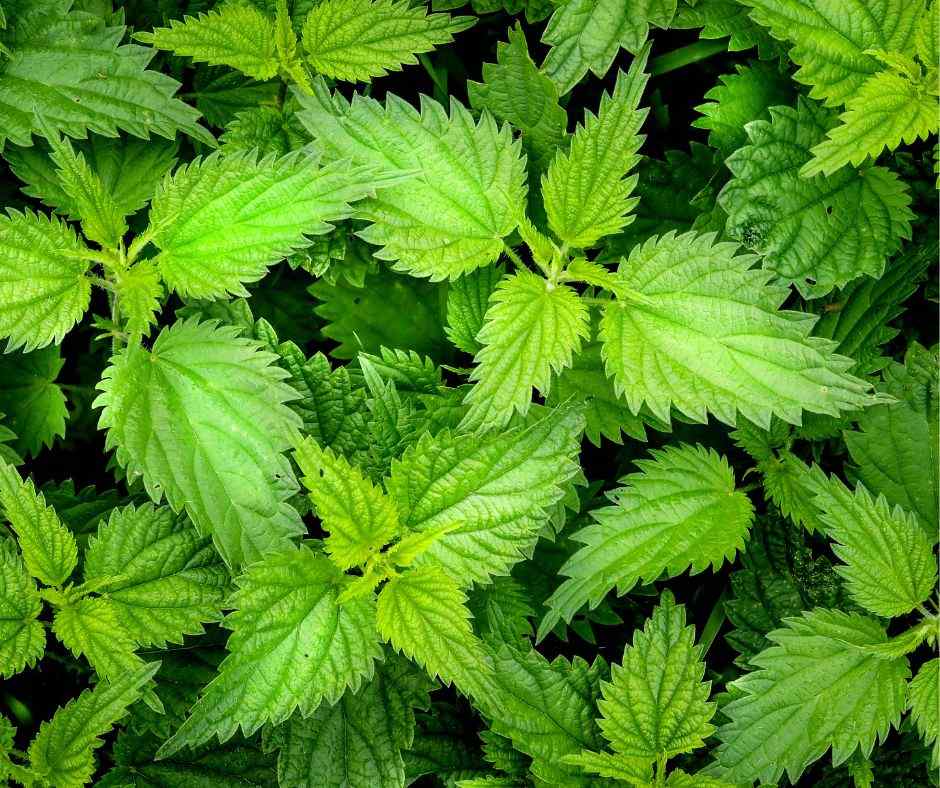
Start every juice with a watery vegetable as a base. Cucumber, romaine lettuce, and celery are good choices as they have gentle flavours and provide lots of liquid. Get creative from there – I’ve tried everything!
If you’re new to the juicing game, go slow, as some of the following greens have especially strong flavours: dandelion, beet greens, parsley, cilantro, and kale. You could also try garlic or ginger for extra flavour and a punch.
Add a small apple (less-grainy apples are better), carrot, beet, or pear for some sweetness to your masterpiece. Adding lemon or citrus also helps cut the bitterness of the greens.
If you use a less powerful juicer, squeeze the pulp through the machine again to get more juice. If you’re using a more powerful juicer, then one time is enough. Once you have dry pulp, you can save it and add it to soup. You can make homemade crackers with it or use it as compost.
What's the difference between juicing and smoothies?
When we juice, we eliminate insoluble fibre, so the body quickly and easily absorbs the nutrients. When making smoothies, we consume the whole food by blending it instead of straining the fibre out.
You can also add extra high-quality protein powders and fats to a smoothie. Generally, smoothies are easier to make than juices, but because they contain all the fibre, they are also a heavier load on the digestive system.
I recommend juicing more than smoothies, but make sure it works for you. Something is better than nothing!
What about blood sugar?
It’s true that your blood sugar rises slightly when you consume juice. But this is highly dependent on what types of vegetables and fruit you’re juicing.
Fruit contains a fair amount of natural sugar, which is manageable for the body when combined with the fibrous part of the fruit. However, in the case of juicing, natural sugars are immediately available to your body because all of the insoluble fibre is removed during juicing.
This is why it’s essential to use vegetables and minimal amounts of carrots, beets, and fruit, as these foods significantly impact your body and affect blood sugar.
To keep things in perspective, many other daily foods can harm blood sugar and insulin resistance and do not have nearly the same nutritional profile as fresh juice. If juicing is done with an otherwise healthy whole-food diet, primarily green veggies, the effect on blood sugar regulation is minimal, especially for non-diabetics.
What kind of juicer should I buy?
There are many factors to consider when purchasing a juicer.
Centrifugal juicers tend to be the cheapest and easiest option, but they also tend to break down veggies in a way that quickly degrades the juice’s nutrients (the juice oxidizes). So you’ll want to consume the juice immediately using this type of juicer.
Masticating juicers retain more nutrients in the juice because they operate at a slower pace, but they are usually a bit more expensive and still not very efficient.
Finally, twin-gear juicers are heavier and require more effort to make juice and clean afterward, but they produce more juice that is nutritionally dense and lasts longer.
What about juice fasting and juice cleansing?
Juicing provides our bodies with such rich nutrition, making it one of the ideal methods for deep cleansing.
There are many types of cleanses. To learn more about the world of cleansing, visit my posts here and here.
We heal and detox more thoroughly than usual during a cleanse or fast. We encourage the body to release toxins by using specific techniques and practices. Depending on your current diet, simply increasing your intake of green juices in your daily routine might be enough to cleanse and detoxify. Creating a one- to three-day juice fast may be appropriate for others. Women who are pregnant or lactating, and those who have eating disorders, are chronically underweight or have heart problems, should not attempt a juice fast.
If you’d like to learn more about juice cleansing, you can learn more about Calm and Renew here.
I hope you learned a thing or two about juicing! In the comments below, let me know if you’ve ever juiced and your favourite ingredient!