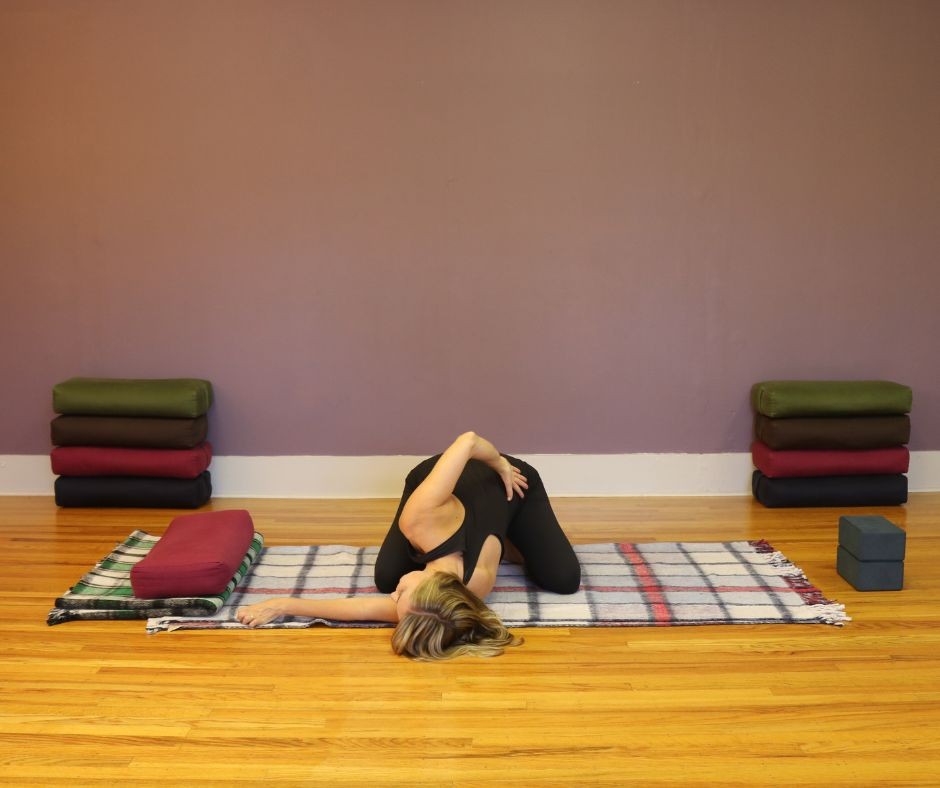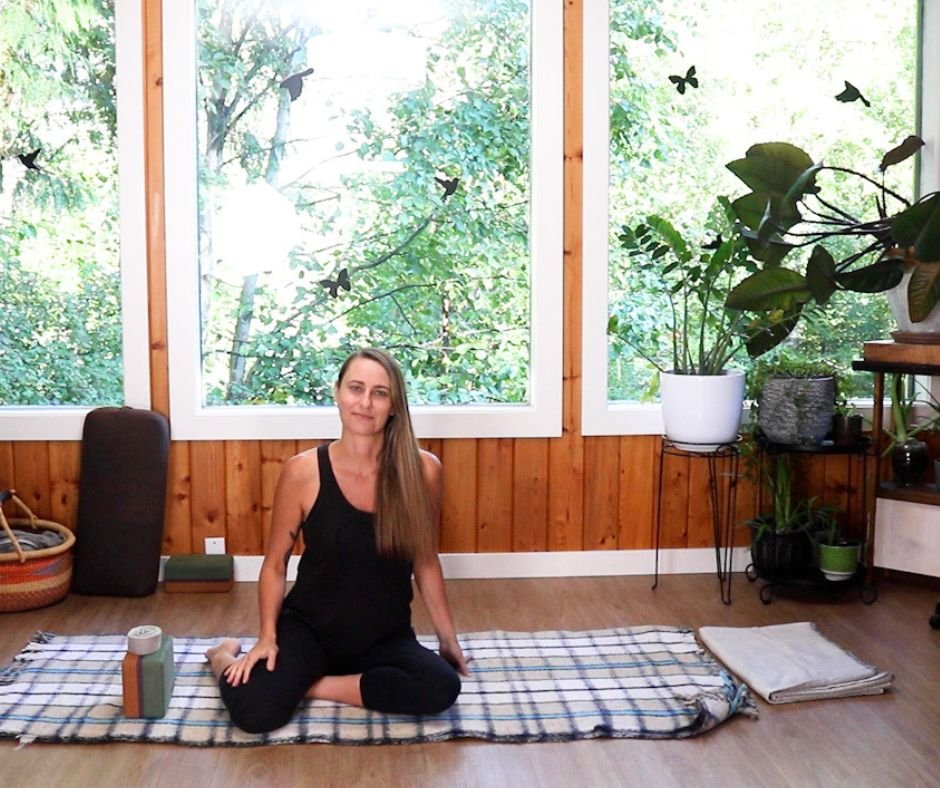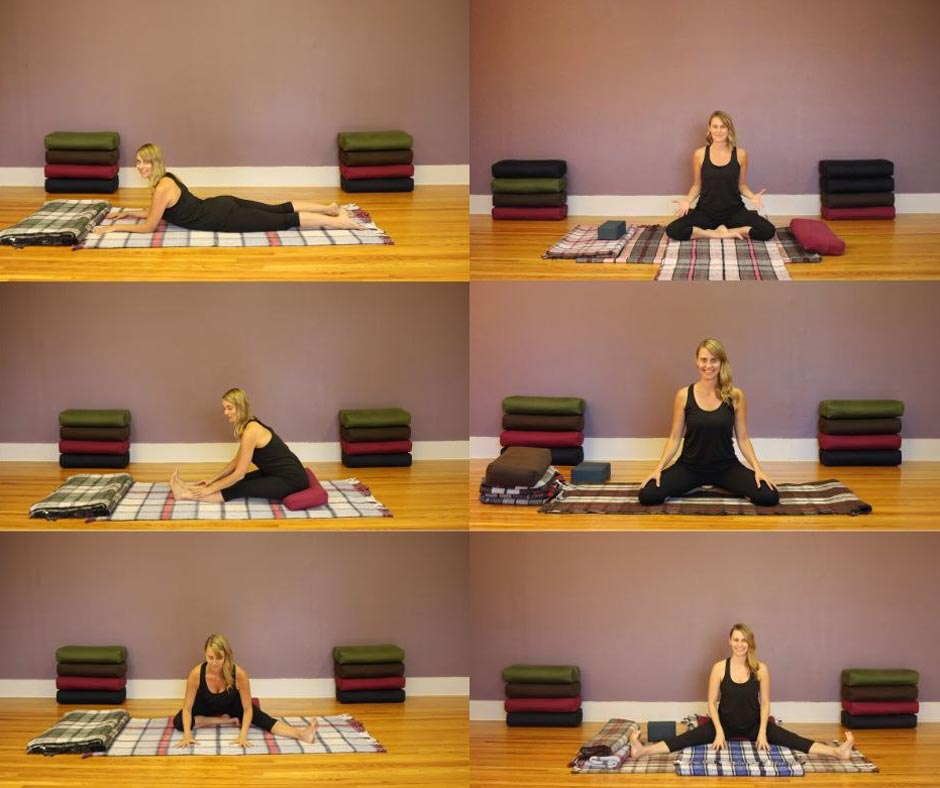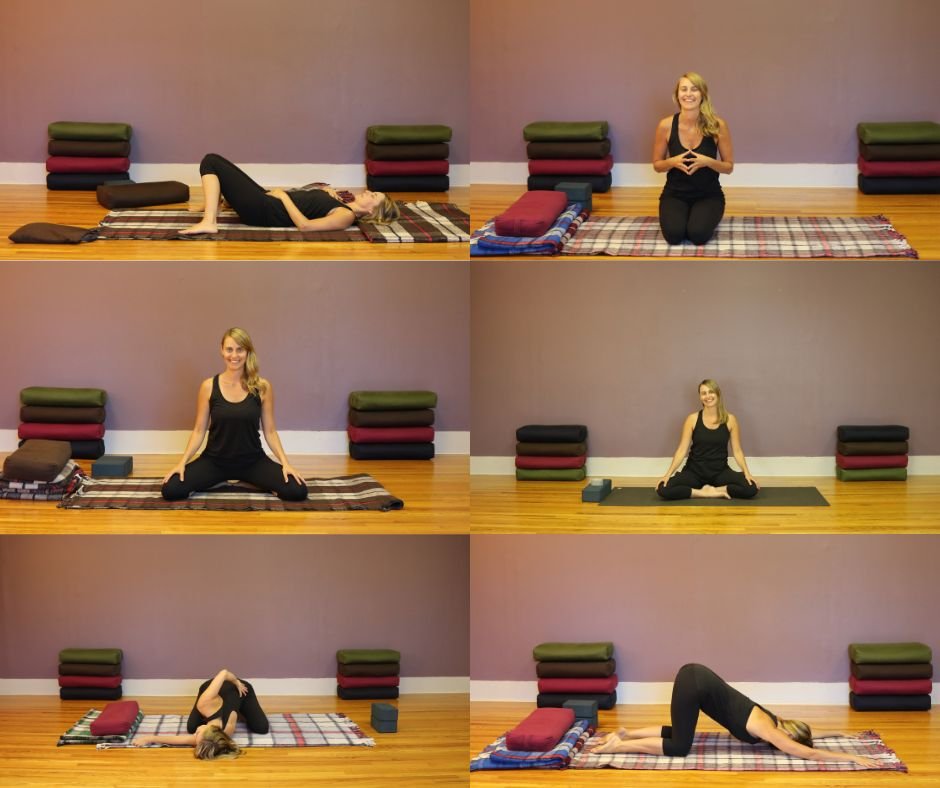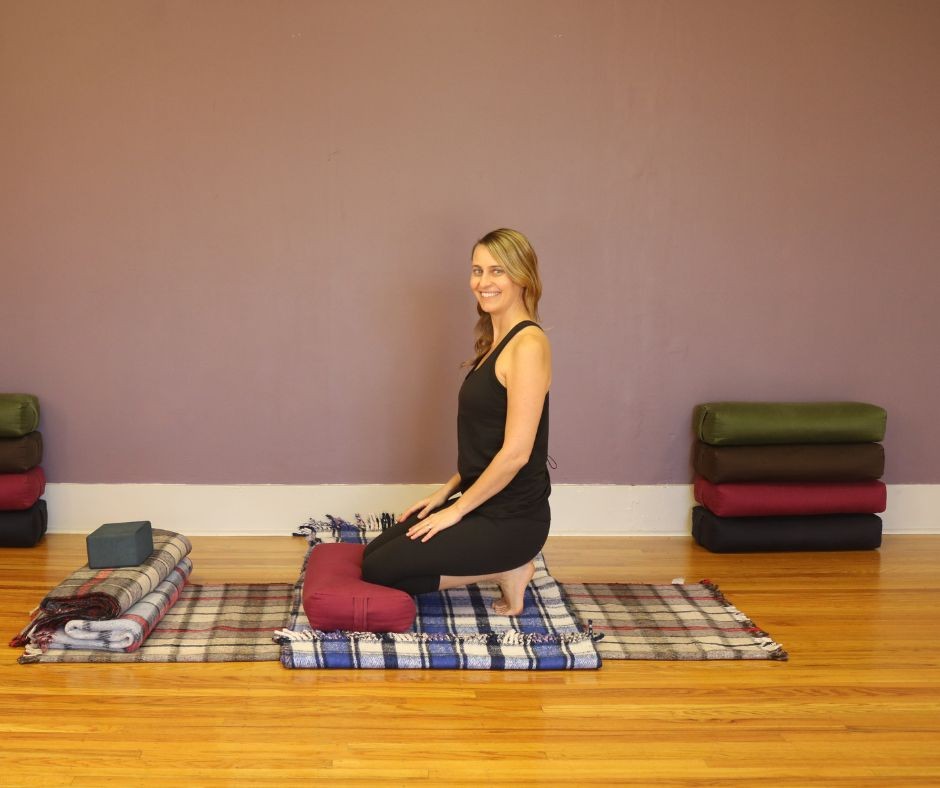

Sustained self-practice can give you a home base to return to when life is challenging. As the inevitable complexity of life draws you away from your center, taking time every day to tune in and grow a sense of intimacy with your inner experience can help keep you integrated and grounded.
Regular practice can help you feel into your own internal rhythms and the rhythms expressed in the natural world. It can help you develop a healthy body, an open heart, and an awake mind.
Practice can become a vehicle for developing insight, and it can help bring vitality to all systems of the body.
According to many wisdom traditions, including the yogic system of thought and practice, as you strengthen the body and create more clarity and joy in the mind and heart, the whole system is infused with divine intelligence and consciousness or prana. Attending to the different layers of your being—physical, emotional, mental, and energetic—is a holistic process. These systems are interdependent. As you stimulate the tissues in the body, you also encourage suppleness in the mind.
In your home practice, aim to balance the two co-essential elements of yin and yang or receptivity and dynamic activity. With mindfulness and non-judgmental attention, ask yourself: “What is out of balance right now?” and “How can my yoga practice bring me closer to equilibrium?”
The following are a few additional guidelines I’ve found helpful to establish a regular home practice.
Self Practice Guidelines:
- Designate a special place for practice. If you can, choose a clean and quiet space and create an altar with a few special objects or readings.
- Create a ritual around your practice time. Say a prayer, light a candle, or take a few deep breaths to begin. Try to practice every day, and at the same time, if possible.
- Start by arriving, centring, and grounding. Use meditation, breath, and body awareness to find presence.
- Check in with your body, heart, and mind. How are you right now? Observe your digestion, any injuries, your emotional state, and levels of fatigue.
- Choose practices that will deeply support where you’re at today.
- Aim to stay present and focus on your internal experience and feeling states.
- Notice if there is a theme you want to focus on. You could choose an area of the body, a particular style, or a specific sequence.
- Set an intention for your practice.
- Warm up if moving into active practice. Build up to more “advanced” poses using props.
- Balance practices that emphasize strength and flexibility and practices that are restorative and dynamic.
- Think of lines of energy in poses. Work from the ground up or from distal to core parts of the body.
- Return to the midline after asymmetrical poses.
- Connect with your breath, but don’t overly control it.
- Use poses that challenge you and ones that are easier for you.
- Do poses you like and ones you don’t like.
- Get creative, enjoy your practice, and have fun! There is no “right way” to do it.
- Always return to the breath and body if you become distracted or you’re challenged.
- Notice if you overcompensate with flexibility or strength.
- Do you habitually hold stress? Relax areas that don’t need to be tense. Practice right effort.
- Always avoid all sharp pain and any sensation you identify as severe.
- Continue to invite inspiration into your practice in the form of talks and classes you can use at home, and attend outside events and classes.
- Deeply honour the time you’ve carved out for practice. Treat it as sacred.
- Connect with your teachers at the end of practice and offer gratitude to those who have helped you on your path.
- Always end asana with savasana.
May we continue to develop our hearts and minds, and may we remember that what we seek is already within.