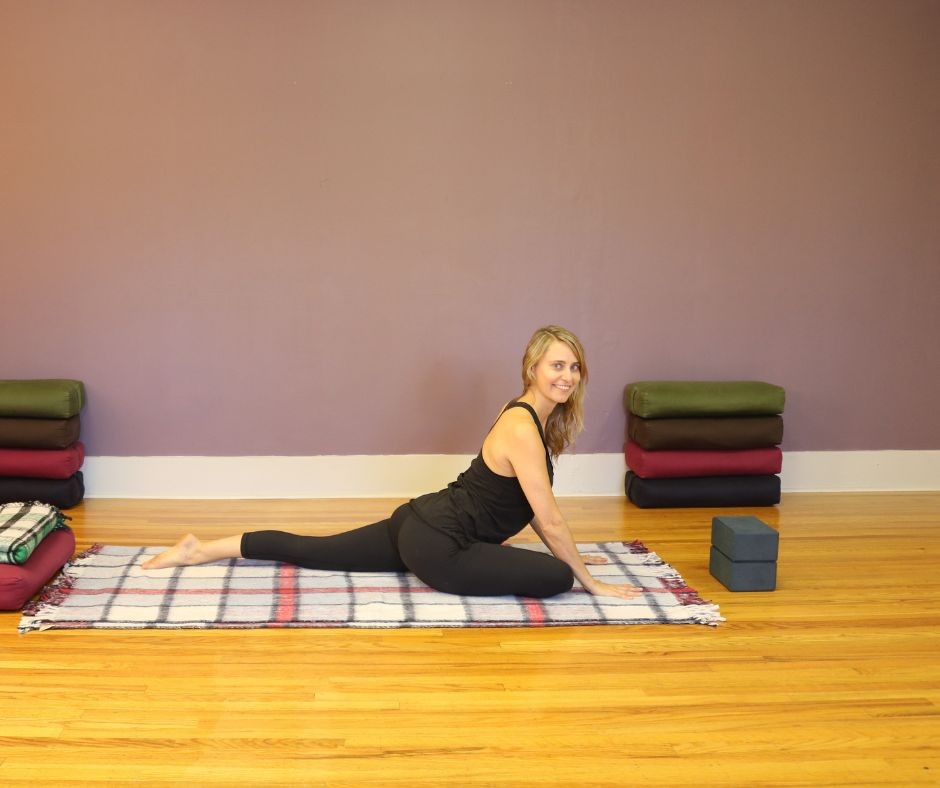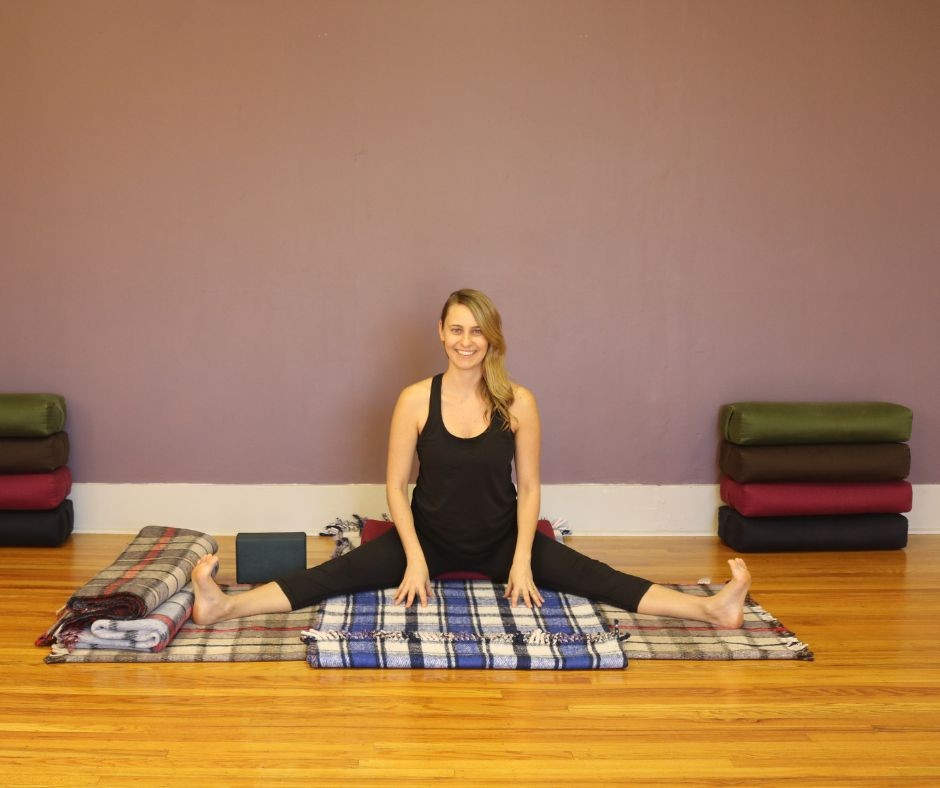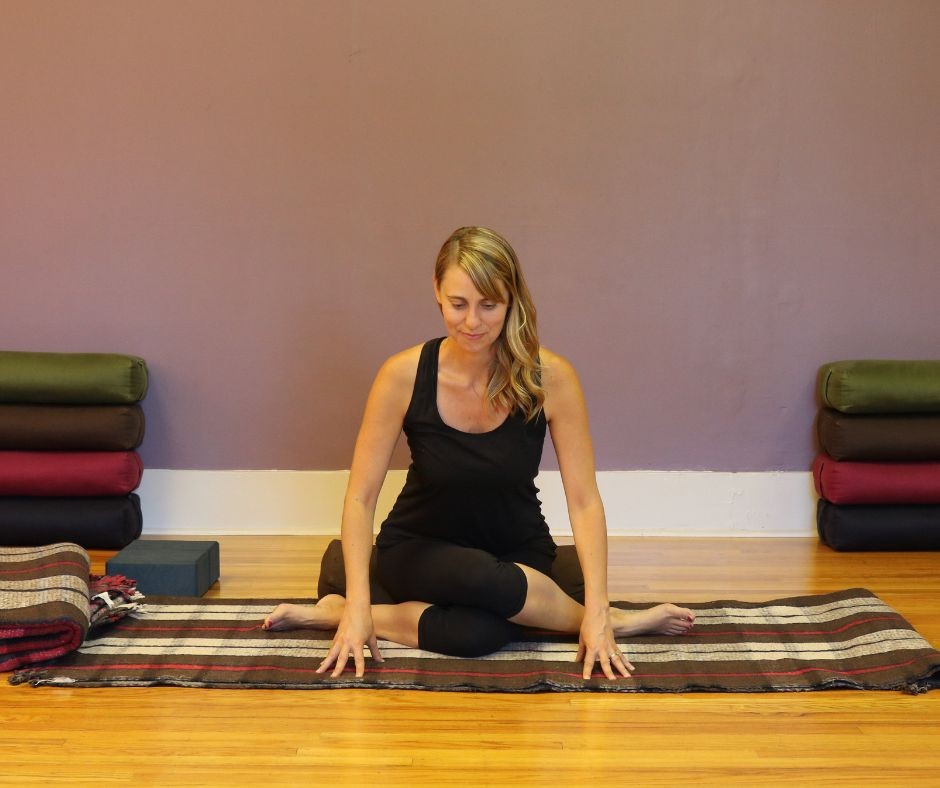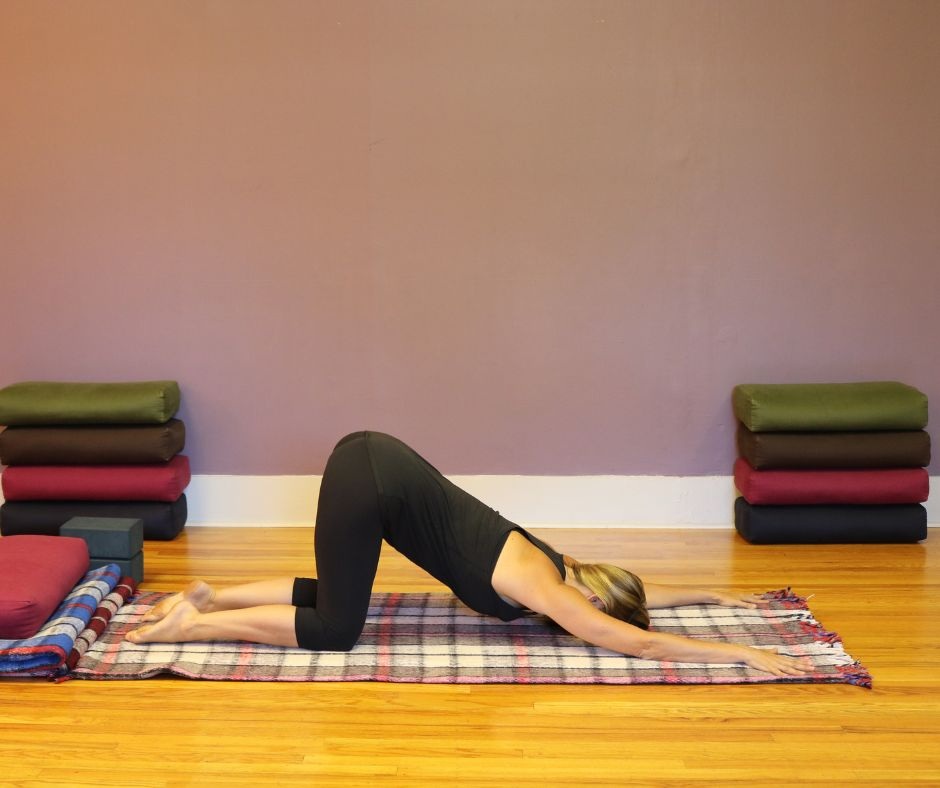

Forget warrior I or child’s pose. Headstand or seated meditation? No way. There are times in life when the resting pose of savasana seems to be the only sane pose to practice.
Our yoga and meditation practice can take different shapes at different times in our lives. It’s meant to meet us where we’re at. Sometimes that place is not pretty; sometimes it’s not a place to practice lotus pose.
There have been times in my life when my practice consisted of lying in my living room, in a strip of sunshine, desperately trying to find my breath so I could find some semblance of peace. This state of raw openness invited me to inquire deeper into what it really means to love. It has been times like these that my practice of metta has truly nourished me. Try a metta meditation here.
Metta is one of the four brahmaviharas or “heavenly abodes” in Buddhist practice. It’s also discussed (with slightly different language) as an essential step in the Yoga Sutras of Patanjali. Metta is considered the foundational practice on which the other three abodes (compassion, sympathetic joy, and equanimity) rest.
Metta or “loving kindness” reconnects us with the true nature of our hearts. By using phrases of kindness towards ourselves first, then spreading that well-wishing to others, including those we have difficulty with or do not know, we actually start to create new neural pathways that encourage greater acceptance, love, and happiness. The simplicity of the practice allows us to use metta almost anywhere, anytime.
What eventually occurs through the practice of metta is that we begin to see the places in which we are blocked from experiencing love. As we repeat loving phrases directed toward ourselves and others, we begin to notice the way our hearts contract and expand in relation to our intention.
Because metta is a purification practice, it often brings up its opposite. At times, we find it challenging to send ourselves and others love. And at other times, the practice feels uplifting and joyful. Metta practice systematically uproots the inner narrative that persistently speaks and feels fear and separation.
“I want to unfold. Let no place in me hold itself closed, for where I am closed, I am false”
Rilke
The transformation possible through dedicated metta practice can soften our hearts and open our eyes to the love accessible in every moment.
And so on those long afternoons when life seemed to be falling apart around me, I wished myself and others well: “May I be at peace, may you be well.” Eventually, through watching the contraction and pain and sending myself love, the experience of more space was created.
Integrating metta into your day can take many forms. To begin, try repeating one of the following phrases to yourself when you notice a self-judgement or during a particular time every day (for example, before you fall asleep every night). How does it feel for you? Allow whatever you experience to be present.
- May I be well in body, spirit and mind
- May I be at peace internally and externally
- May I feel connected, supported and loved
- May I be healthy and strong and free
Feel free to alter the phrases so that you feel a connection to the words. And remember – you may not always feel loving, but do the practice anyway.
As your practice matures, you can try changing the phrases and directing your loving kindness first to a loved one, then to a neutral person, then to a person with whom you have difficulty, and finally to all beings everywhere.
May we all find greater peace and kindness in our lives.