
The holistic philosophy of Traditional Chinese Medicine teaches that we each need a balance of yin and yang for overall health and well-being.
In the body and mind, yin is easily depleted by overwork, stress, and other factors. Similar to Ojas in Ayurvedic medicine, yin is closely associated with growth and reproductive power, making it crucial to overall vitality. Read on to discover how to build your yin for body and mind.
Yin and Yang
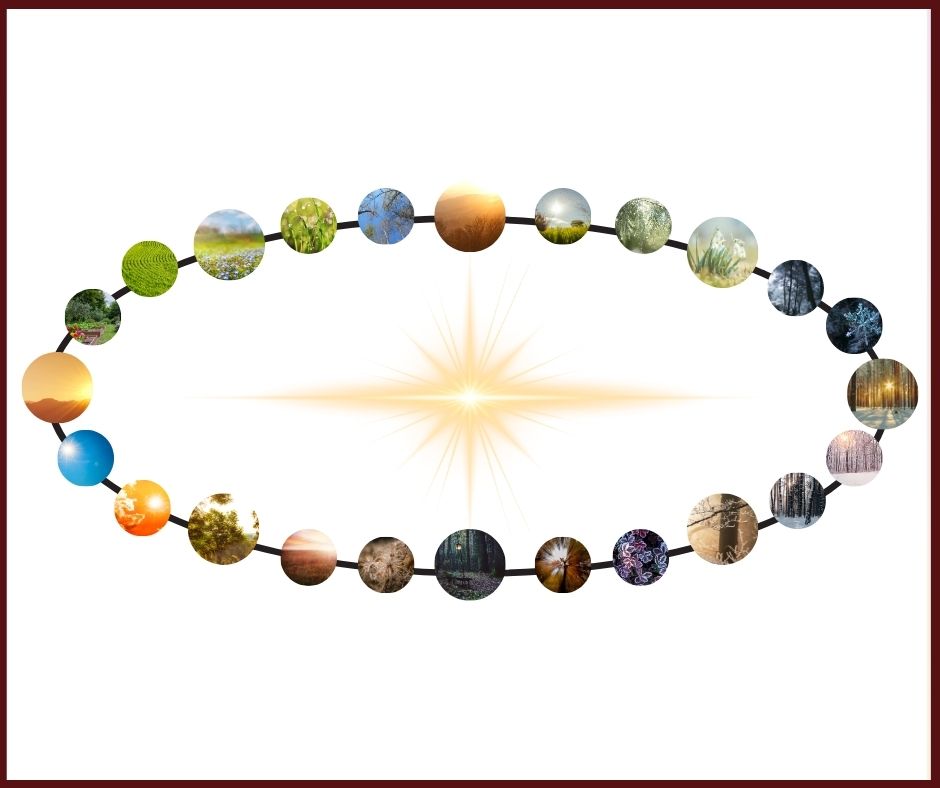
Yin and yang are considered phases of a cyclical movement (ex., dark and light, activity and rest), and varying states of matter (ex., expansion and contraction or rising and descending).
When speaking of the body, health, and disease, yin and yang are considered both energetic qualities and substances. For example, yang is more active, fiery, upward, and outward-moving. In the body, yang “stokes” the metabolic process. For instance, digestion and the beating of the heart rely on yang.
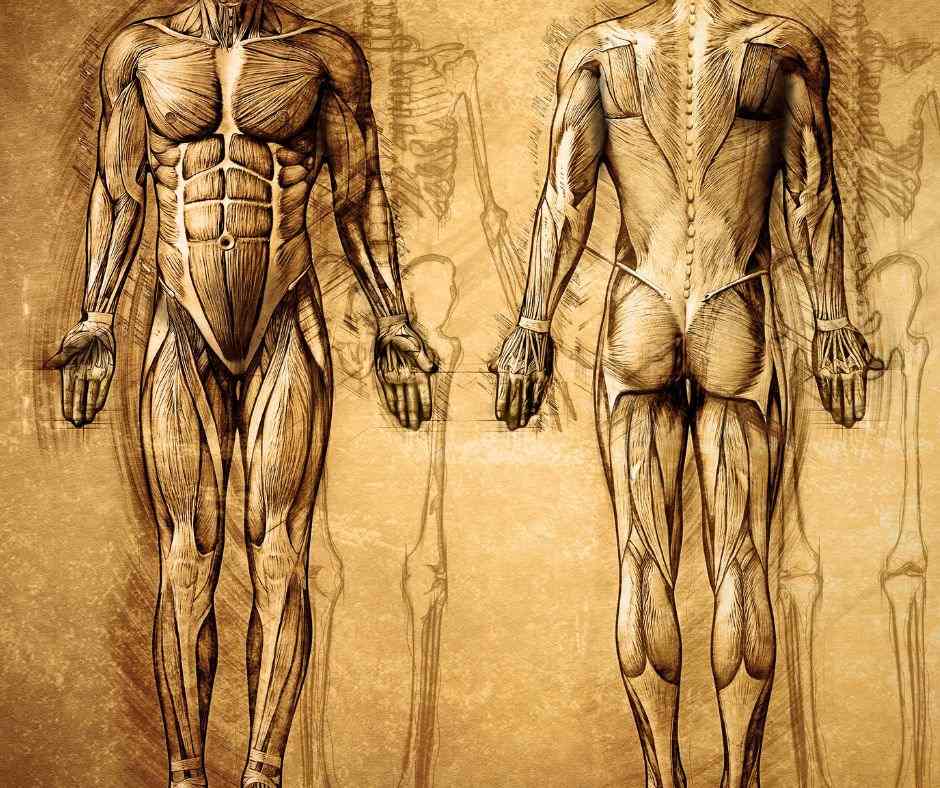
On the other hand, yin qualities are cool, slow, passive, downward, and inward-moving. Fluids like blood and lymph, and deeper tissues like bone, are yin. Within Chinese Medicine, the substances “jing” and “nutritive Qi” are also considered yin.
The thing is, many people are out of balance because much of our culture tends to be very yang. The context in which we live is often driven by speed, action, and results, which are very yang qualities. When the sympathetic nervous system is activated through too much yang or overactivity, the yin is depleted. Stressful media, everyday pressures, addictive substances, and not enough sleep can cause the nervous system to operate on hyperdrive, which burns up yin and leads to the body ignoring secondary priorities like digestion, hormonal regulation, sexual function, and memory. Plus, the natural process of aging also depletes yin (especially jing).
When yin is depleted, the body lacks cooling and moistening, so eventually heat signs manifest. This can manifest as hot flashes, a sensation of heat, flushed cheeks, feeling wired and tired, dryness, insomnia, constipation, a lack of tongue coating, and more.
Healing the Yin
The good news is that yin can be tended to and taken care of, so that it’s there when you need it. In this way, your yin reserves can support you in the long term like a wellspring.
Slow Down to Build Yin
Our bodies (and especially our yin) move at the pace of the earth, so to heal and build the yin, we often need to slow down. Building yin requires us to develop a frequently forgotten part of our nature – the part which favours a more sensitive, intuitive, and accepting attitude. Practices that foster a contemplative state of mind and stillness can reset the nervous system, leading to nourished and resilient yin.
Yin Yoga and Meditation
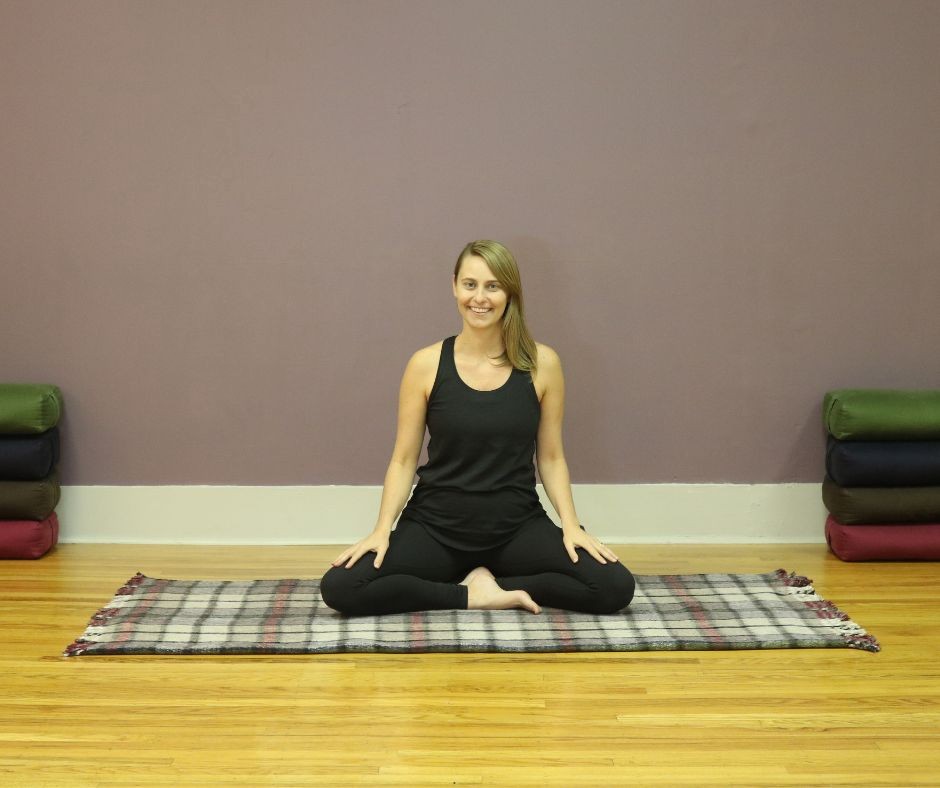
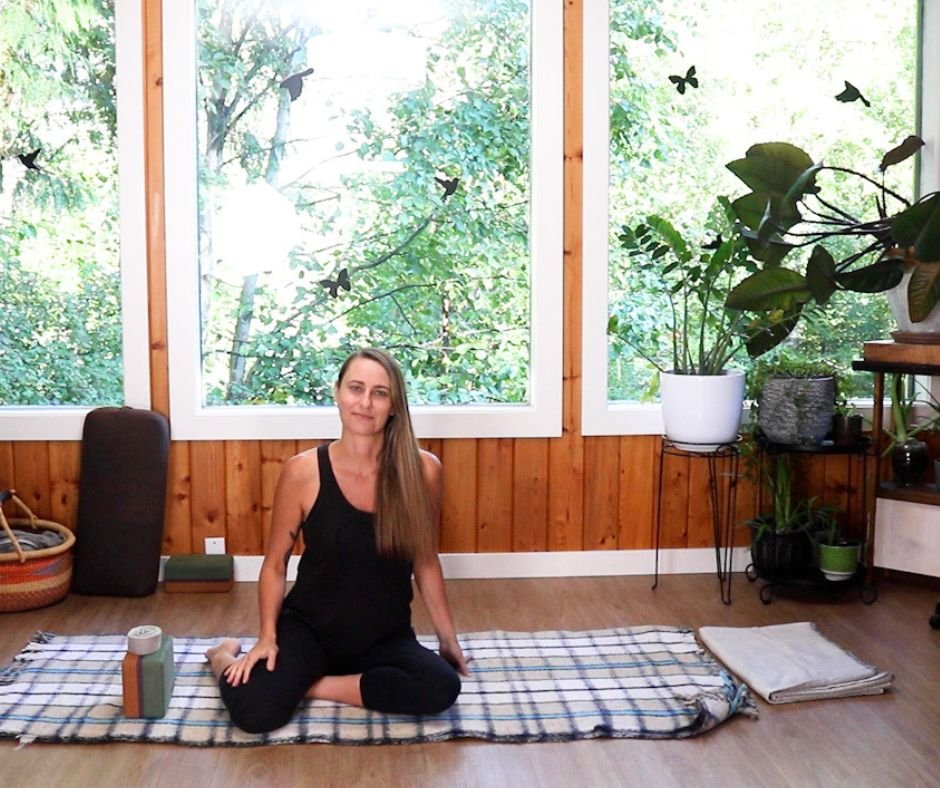
During yin yoga, postures are held more passively, for more extended periods, mainly on the floor, making it an ideal practice for cultivating stillness and slowness. Yin yoga also increases the production of synovial fluid within the joints and hyaluronic acid within the connective tissue, which are both yin fluids. This leads to greater elasticity, mobility, and lubrication in the joints and tissues.
Meditation can also help build yin by encouraging the body and mind to slow down and illuminating where you get caught in erosive thinking and behaviour. Additionally, the practice of staying present without reacting strengthens neurons and neuronal pathways, further reinforcing a slower, steadier state of mind.
Get started with meditation by simply finding a comfortable seat, setting an alarm for 5 or 10 minutes, softening your eyes, and placing your attention on the breath. You could also try this guided yoga nidra meditation or learn more about meditation here.
Support the Kidneys and Jing
The Kidneys are considered the “palace of fire and water” in Chinese Medicine and are the foundation for all yin and yang energies of the body. The health of the Kidneys directly impacts the substance “jing,” which is one of the most essential yin substances in the body.
In Chinese Medicine, jing determines basic constitution, strength, and vitality. When the Kidneys and jing are nourished, there is strength and calm. With this kind of steadiness, we can accomplish a considerable amount without stress and depletion.
Find an active yoga practice for Kidney Qi here and learn more about nourishing Kidney Qi here.
Manage Your Willpower and Zhi
A critical aspect of Kidney Yin is developing a healthy relationship with willpower. The Kidneys house the Zhi, which is related to will and determination. Often, we use our willpower to work beyond our capacity, which can trigger the fight-or-flight response or lead to health issues such as adrenal or chronic fatigue.
Healthy willpower and Zhi help one remain focused in a non-aggressive way, finding the middle way between pushing toward goals regardless of the consequences and leaving everything up to fate.
In the Chinese model, we find this state by balancing assertive action with nurturing self-care. When the Kidneys are nourished adequately, we can use our resources to fulfill our destiny. Use natural daily rhythms to stay in balance.
Foods and Herbs for Yin Deficiency
There are many foods and medicines that I could highlight here, but for today, I’ve outlined some classic yin-tonic foods.
- Use adaptogen herbs for depletion, overwhelm, and stress and easy-to-digest foods like congee to support good digestion.
- Foods for yin deficiency with heat signs – seaweed, oysters, pears, tofu, yogurt, avocado, asparagus, and aloe vera.
- Remember, blood is also a vital yin fluid. Find tips on building your blood here.
If you want to learn more about using food as medicine in conjunction with Chinese Medicine energetics, be sure to check out my upcoming Chinese Medicine Food Therapy online course.
Acupressure to Build Yin
Ren 4 – Gate of Origin (GuanYuan):
This point supports yin and jing. It’s a powerful point for fatigue and supporting deep reserves and stamina. It also nourishes the Lung, Liver, Kidneys, and Spleen.
LOCATION: On the lower abdomen. Three thumb widths below the navel.
Kidney 3 – Supreme Stream (TaiXi):
This is a primary point used in cases of Kidney yin deficiency with heat. It nourishes and supports Kidney yin.
LOCATION: On the inside of the leg. In the space midway between the ankle and the Achilles tendon.
Spleen 6 – Three Yin Intersection (SanYinJiao):
This point is where the three yin channels of the leg converge. Its actions are very extensive, including issues of yin deficiency and weakness in the Kidney and Spleen.
CONTRAINDICATION: Do not use during pregnancy
LOCATION: Located on the inner side of the leg. Measure four finger widths above the inner ankle. The point is located on the inside of the bone (the medial crest of the tibia). Most people find a slight depression near this area that feels tender.
This is by no means a complete list of yin supportive practices, but I hope it gets you started!
Want to learn more about Chinese Medicine? You may enjoy my Chinese Medicine for Yoga course or my Chinese Medicine Food Therapy course.