
I recently finished reading Arianna Huffington’s new book, Thrive, and I loved it!! Throughout her book, Arianna discusses what she calls “the third metric of success.” Her personal story of stress and overwhelm is an insider’s look at what she calls “true success and happiness.”
I love this book because she so clearly outlines some of the major areas I believe are responsible for basic health. Elements such as healthy sleep patterns and quiet time, spending time in nature and with loved ones, and the importance of wonder and giving all contribute to her holistic approach to success. Arianna focuses on driven, busy women, but this advice is almost universal.
Over and over again, I encounter clients and students who are tired, overworked and suffering from low-level anxiety and depression. I know from this work that we can improve our lives by making simple changes.
Now — just because these changes are simple doesn’t mean they’re easy. That’s why we should start small and stay consistent. When we set realistic goals and build slowly, we are more likely to stick to them in the long term. To kick-start healthy changes, check out my program, Calm and Renew.
I found Arianna’s advice about sleep especially apt. Did you know that getting enough sleep can improve almost any physical or mental health condition? Improved sleep affects cognitive functions such as memory, productivity, and decision-making skills. It also affects almost every layer of the body’s physical functioning, from pain and inflammation to hormone and neurotransmitter production. I could provide endless clinical trials and ample evidence of the positive effects of sleep.
Check out this one as an example.
Sleep is SO important. And as a culture, we seriously lack it.
Arianna names several strategies to help with getting more sleep. Many of these suggestions are what I tell clients when they’re experiencing insomnia or sleep deprivation. Here are a few more:
Tips for sleep:
Create sacred space
The area where you sleep should be a place of rest and rejuvenation. Keep this area free of screens and work—that means no laptops or smartphones! Place special objects near your bed and use soft lighting. If possible, reserve your sleeping space for sleep and other activities that don’t create stress.
Move your body every day
Stay physically active. Moving your body every day will support your circulation on both physical and energetic levels. Exercise is an excellent way to release tension and boost “feel-good” and calming responses in the body.
Before bed
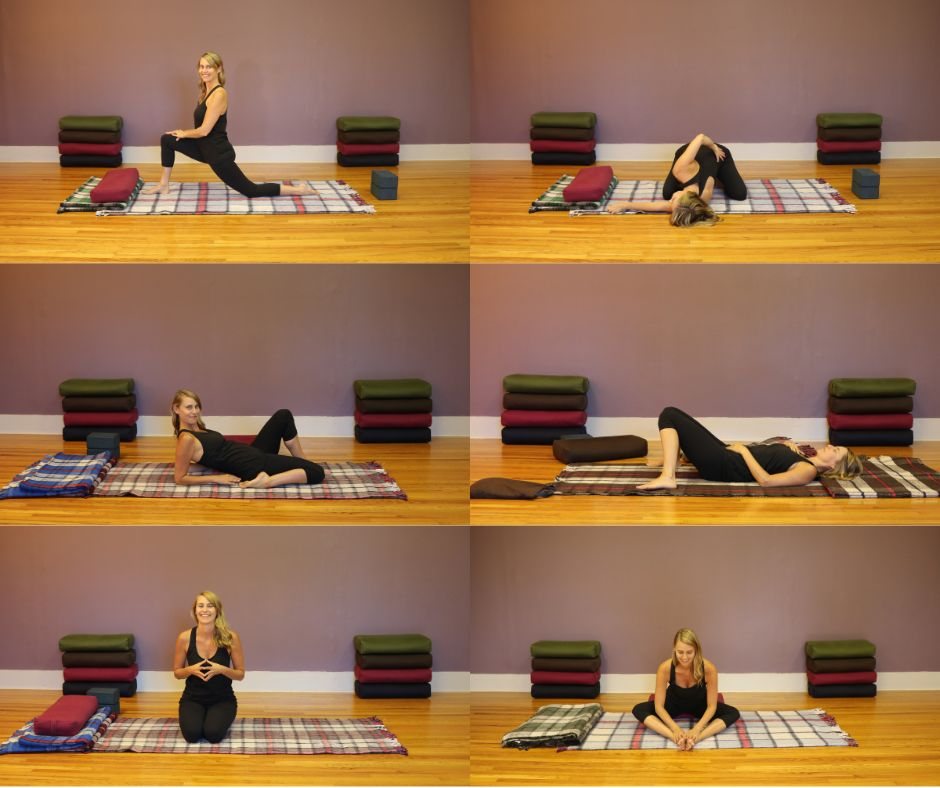
Keep activities before bed to a minimal level. Gentle stretching, journaling, a gratitude practice, or pleasant reading helps to prepare the body and mind for rest.
In particular, the practice of yoga nidra can help to calm the body and induce a deep state of rest.
The “legs up the wall” posture is a great one to use before going to bed. In this inverted posture, all of the blood and fluid that has gathered in the feet and legs drains, and the nervous system is triggered to relax.
Diet and Herbs
Eating a balanced diet of fresh organic vegetables, whole grains, healthy fats, and protein helps the body and mind function properly.
Avoid stimulants after noon and late-night eating. This will help you sleep more deeply and wake up refreshed and alert.
Herbal teas, such as chamomile, and sleep blends containing valerian, skullcap, passionflower, and catnip can be used before bedtime. Remember to use high-quality tea. I suggest the widely available brand Traditional Medicinals to ensure you get the full potency of the plant, not just filler. Did you know that many conventional tea brands have little medicinal potency left by the time they hit the shelves? Check out some of the other dangers of using conventional teas here.
Remember—get more sleep! Your happiness, health, and productivity depend on it!! Tell me below what you do to get a better night’s sleep and what you’re going to integrate into your nighttime routine.