
Eat for Spring: Nourish Your Body with TCM and Ayurveda

eat for spring with TCM and Ayurveda

As winter’s cold stillness gives way to spring’s vibrant energy, our bodies undergo a natural shift, mirroring the changes in nature. Traditional Chinese Medicine (TCM) and Ayurveda teach that spring is a time of renewal, detoxification, and growth. Adjusting our diets to align with the season’s energy can support digestion, boost vitality, and promote overall well-being.

Spring Foods in TCM and Ayurveda

Awakening the Liver and Reducing Kapha

In TCM, spring is associated with the Wood element and the Liver organ system. The Liver governs the smooth flow of Qi (energy) and blood, crucial for detoxification and emotional balance. Ayurveda recognizes spring as the season of Kapha, characterized by the qualities of earth and water—heaviness, moisture, and dense accumulation.

As snow melts and temperatures rise, your body may feel sluggish, congested, or weighed down. After a season of heavy, warming foods, it’s time to stoke your digestive fire and lighten your diet. Reduce heavy, oily, and dairy-rich foods that can contribute to stagnation and mucus buildup, and favour light, dry, and warming foods, as well as foods that gently cleanse and nourish the Liver.

Try These Foods in Spring:

Lightly Cooked and a Little Sweet:

In Ayurveda and Chinese medicine, the natural sweet flavour helps nourish the body. Lightly cooked spring vegetables, such as asparagus, zucchini, carrots, and beets, are easy to digest and support healthy tissues and blood.
Bitter Greens and Sprouts:

Dandelion, arugula, radicchio, and mustard greens help support detoxification, clean the blood, and circulate and rejuvenate Liver Qi. You can also include foods with upward-moving energy, such as green, sprouting vegetables.
Radishes:

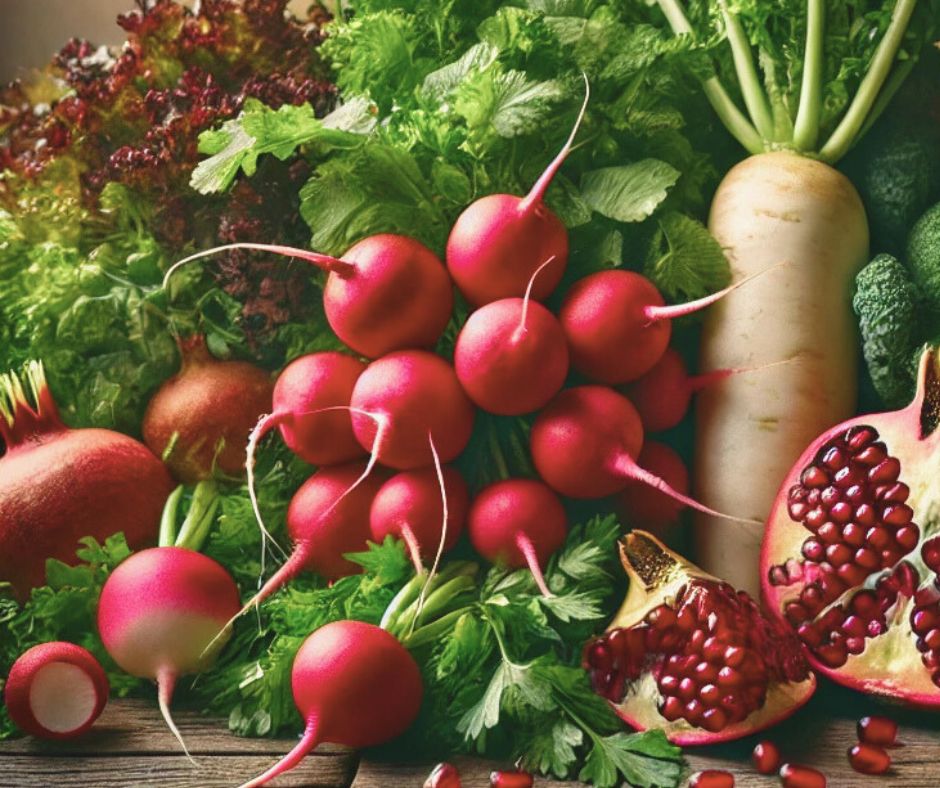
Radishes are an excellent food choice for spring because their sharp, pungent taste helps counterbalance heaviness, congestion, and excess mucus that tend to accumulate during spring. They also regulate Liver Qi, stimulate digestion, and aid in detoxification.
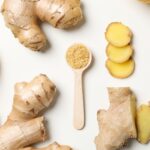
Add Some Spice:

Use stimulating, pungent and warming spices such as ginger, black pepper, turmeric, and mustard seed, which help to stimulate digestion and clear mucus. 
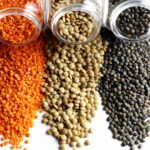
Lighter Grains and Legumes:

Switch out heavy grains like wheat and oatmeal for lighter, drier options like millet, quinoa, barley, and buckwheat. Spring is also the best time to eat more legumes. They are lighter, easy-to-digest protein options, and their drying quality helps counteract excess moisture at this time of year. Try lentils, black beans, and white beans to start.
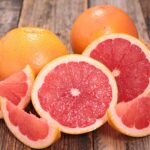
Astringent and Sour Fruits:

In Ayurveda, the flavour we call astringent helps cleanse the system and remove excess earth and water (Kapha), which tends to build up in spring. In TCM, we recommend the sour flavour, which has astringent properties. Sour helps stimulate the liver and encourages bile production. (In Ayurveda, the sour flavour can refer to fermented foods and some dairy. These are best avoided in spring.)

Sour or astringent fruits and foods that are sour and sweet are generally good choices, such as apples, pomegranates, prunes, citrus and berries.
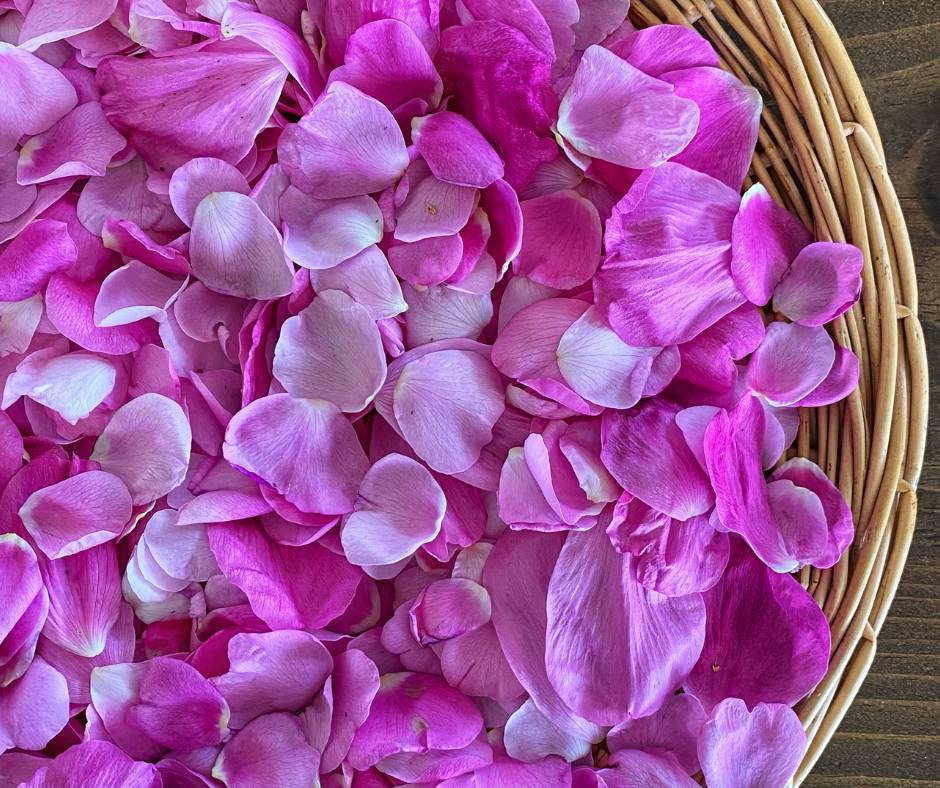
By aligning your diet with the rhythms of nature, you can step into spring with renewed energy, clarity, and balance. Honour your body’s needs, savour the season’s fresh abundance, and enjoy the vibrant renewal that spring brings!

Chinese Medicine for Yoga Online Training

Chinese Medicine Food Therapy Online Course

Share This Post:

More To Explore

blog post five ways to thrive fall winter jennifer raye

5 Ways to Thrive During Fall and Winter with Chinese Medicine and Ayurveda

There is a gradual slowing down and turning inward this time of year. Trees lose their leaves as the days become shorter ...
Read More →
blog post yin yoga sequence for the liver gallbladder meridians jennifer raye

Yin Yoga Sequence for the Liver and Gallbladder Meridians

Traditional Chinese Medicine and the Liver and Gallbladder Within our yin yoga practice, we can practice sequences of poses that directly target ...
Read More →

When the Heart Speaks: Emotions Through the Lens of Chinese Medicine

In Traditional Chinese Medicine (TCM), disease formation results from only a few causes, including emotions. Whereas Western physiology attributes emotions and mental ...
Read More →
blog post self care for late summer jennifer raye

4 Digestion Supporting Tips a Chinese Medicine Practitioner Wants You to Know

You probably know that even with a healthy diet, you won’t get the nutrition you need if your digestion isn’t working at its optimum. Many ...
Read More →
Liver Qi emotions TCM

From Frustration to Flow: TCM Acupressure for Liver Qi

In Traditional Chinese Medicine (TCM), the Liver is responsible for the smooth flow of Qi throughout the body. When Liver Qi becomes stagnant due to ...
Read More →
blog post what is cupping how it works jennifer raye

What is Cupping and How does Cupping Work?

Recently, cupping has seen increased interest in popular culture, so I thought I would provide some general information here. I use cupping on patients in ...
Read More →
Scroll to Top