What is Yin and Yang?
The terms yin and yang are used within Taoist and Chinese philosophy to describe how opposite forces are connected and interdependent in the natural world. Yin and Yang are relative terms. Something is only considered yin when it is in relation to something more yang. For example, the moon is more yin than the sun, which is more yang.
These seemingly contradictory forces give rise to and interrelate with one another. They can be thought of as phases of a cyclical movement, such as dark and light, or activity and rest. Or sometimes yin and yang are differentiated according to different states of matter—for example, expansion and contraction or rising and descending.
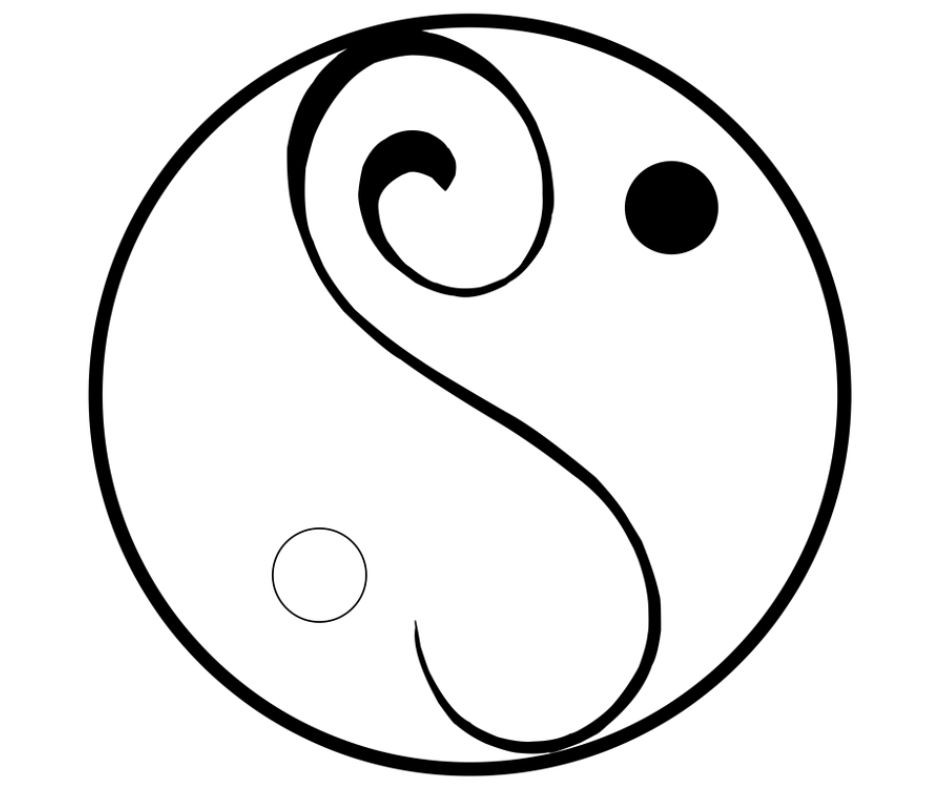
Within the yin-yang symbol, there is still a spark of yang within the yin, and within the yang, there is still a hint of yin. According to this philosophy, everything has both yin and yang aspects, and any specific object can have more yin or more yang.
Within the body, yin and yang aspects are present, and states of disease and health are also reflected through these two forces. Read below for ways to balance yin and yang in your body and in your cooking.
Yin in the Body
Yin is moistening and cooling. In the body, yin refers to more passive processes. For example, fluids and tissues are yin (blood, lymph, and bones). People who are more yin in nature tend to have a softer voice, a paler complexion, and a slower, more intuitive pace.
Yin helps balance the warming, active energy of yang. When yin becomes excessive, it tends to move downwards, causing swelling in the legs, excessive urination, heaviness, and not enough heat in the body.
Yang in the Body
Yang is more active, fiery and energetic. It is essential to all physiological processes and provides warmth to the organs. Yang “stokes” the metabolic process. For instance, digestion and the beating of the heart rely on yang. People who tend to be more yang have a redder complexion, are louder, more driven, and feel warmer.
Because heat and activity tend to move upwards and consume fluids, symptoms of too much yang tend to manifest in the head with red eyes, red face, thirst, dryness, and too much mental activity.
Create Balance with Yin and Yang:
Much of modern culture creates extreme oscillations between the two opposites of yin and yang. Many people are swinging between these states and cannot find balance due to lifestyle, diet, and emotional highs and lows. Fluctuating between high stress and crashing is a classic manifestation of a yin-yang imbalance. When one is balanced, one’s energy can adapt and is not affected by occasional extremes.
How to Cook with Yin and Yang:
The best foods for long-term health are not extreme, and a healthy diet has a balanced amount of yin and yang. However, it can be helpful to restore equilibrium between yin and yang through food.
Balance Yin/Yang when cooking
Yin foods are generally bitter, salty, sour, and/or cooling. Yang foods are generally sweet, pungent and/or heating.
Generally speaking, when preparing food, balance flavours and thermal natures. Notice warm/cool, heavy/light, hard/soft, salty/sweet, quick/slow, and expansive/contractive qualities.
Use Food to Create Desired Effect
You can make diet adjustments based on your specific imbalance to improve your body, moods, and life.
Examples of eating yin food to balance yang:
- Eat watermelon and cucumber to balance a hot “yang” day
- When feeling hot, anxious or angry, avoid too much sugar and alcohol.
- To increase the yin nature of your food, use more healthy fats and organic dairy products
Examples of eating yang food to balance yin:
- Eat fresh ginger or use oil of oregano when you have a common cold with chills and watery discharge. Learn more about types of common colds here.
- When feeling heavy and slow, avoid too much salt, meat, and cheese.
- To increase the yang nature of your food, use soaking, sprouting, and steaming
Most importantly, when it comes to diet, every person is unique. Eat, create, and explore what works for you!
If this type of exploration interests you, check out the Chinese Medicine Food Therapy course.