
“The highest good is like water. Water is good at benefiting the ten thousand things, and yet does not contend with them. It dwells in places the multitudes detest, therefore, it is close to the tao.”
~ Tao Te Ching
Eastern medical systems such as Chinese Medicine and Ayurveda view the human body, along with everything in the universe, as composed of elements. Each element exhibits specific characteristics, and these characteristics are found throughout our food, our bodies, and the natural environment.
With this theory in mind, we can begin to understand how external factors such as weather and season can affect overall health and balance. The human body is a microcosm of the universe. By connecting with the current element, you can harness the positive energetic potential of each season. In addition, by adjusting your diet, habits, and lifestyle in accordance with the predominant element, you can balance seasonal effects, leading to improved health.
Here in the northern hemisphere, we’re deep in the heart of winter. In Traditional Chinese Medicine and Taoism, winter is associated with the water element. The water element is a time when we rest in the darkness and the unknown. It is the most yin phase of the cycle.
Water Element and the Kidney and Bladder
The paired organs associated with the water element are the Kidney and the Urinary Bladder. According to Chinese medicine, Kidney energy is incredibly important. It’s the foundation for all yin and yang in the body. The Kidneys also store “essence,” which is considered a deep reserve of energy and vitality.
When the Kidneys are out of balance energetically or physically, there can be bone disorders (especially of the lower back and knees), urinary, sexual, and/or reproductive problems, fatigue, teeth issues, hearing loss, or excessive fear and insecurity.
Resting in the Unknown
Water element energy helps us feel at home in the world in a very deep way. We can tap our Kidney energy by slowing down and being quiet. Our culture is very yang, which can be depleting to the water element; it’s easy to feel like there’s no time for retreat.
The water element, and this time of year, encourages us to stop and rest in the void or the unknown. Soon the light will return, and spring energy will be upon us, but for now, the water element asks us – what do I know for sure? By developing the capacity not to grasp for answers immediately and instead to rest in the unknown, there is an opportunity to cultivate wisdom. The wisdom of the water element tells us it’s okay not to have it all figured out, and that there’s beauty and potency in waiting.
Meditation on Kidney Qi
Eat for the Season according to Chinese Medicine
According to Chinese Medicine, each season and element also has associated foods and helpful methods of food preparation. In the winter, eat more hearty soups, whole grains, roasted nuts, dried foods, small dark beans, seaweeds, and steamed winter greens.
Try this miso soup recipe to nourish the water element and come into balance in the wintertime.
Traditional Chinese Medicine emphasizes salty and bitter foods this time of year. These flavours promote a sinking energy and bring heat to the body’s interior.
- Bitter foods: lettuce, celery, turnip, rye, oats, quinoa, amaranth, chicory root, burdock root,
- Salty foods: miso, soy sauce, seaweeds, salt, millet, barley (be careful of too much salt as it can weaken instead of strengthen)
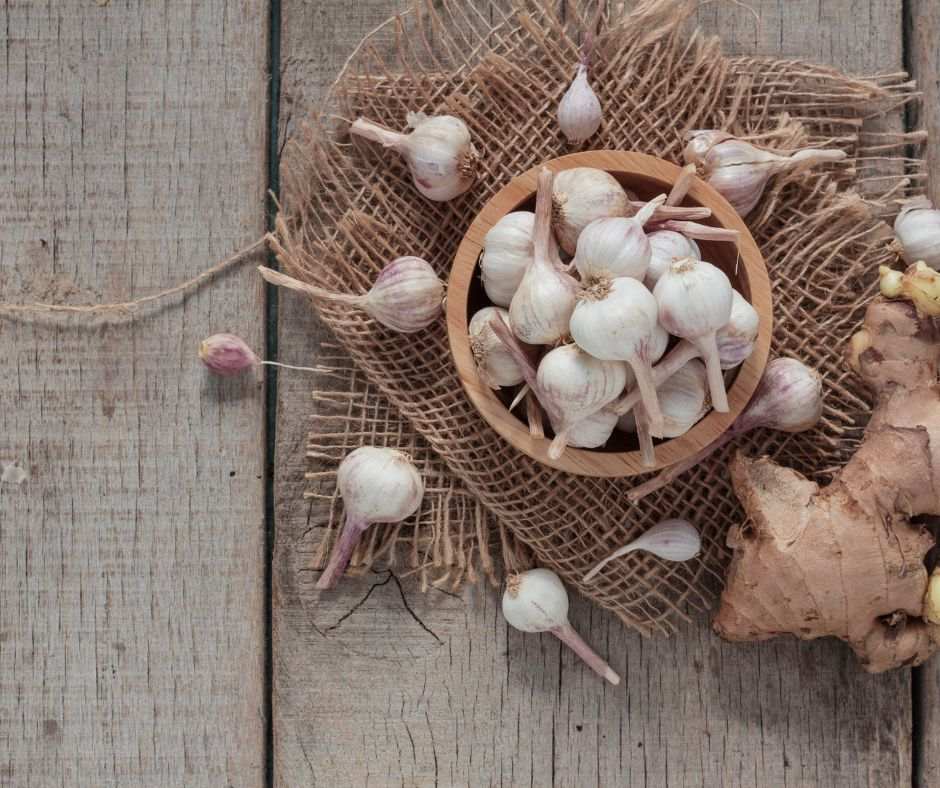
If you feel cold this time of year: add more warming foods like cloves, fennel, ginger, cinnamon, black beans, onion family, quinoa, and fenugreek seeds.
Want to learn more about Chinese Medicine and Ayurveda, and how to take care of yourself in the winter? Check out the Seasonal Points for Winter here.