Simple and Quick Yin Yang Yoga Sequence and Practice

blog post quick and simple yin yang sequence jennifer raye

The terms yin and yang are used within Taoist and Chinese philosophy to describe how opposite forces are connected and interdependent in the natural world. Yin refers to qualities that are slower and more passive, while yang refers to qualities that are more active and dynamic.

When the two forces of yin and yang are balanced, there will be health and well-being.

“sthira-sukham asanam” - Asana should be stable and comfortable.

Within a yoga practice, the terms “sthira” and “sukha” have yang and yin characteristics. Sthira refers to stability and steadiness, and sukha refers to ease and comfort.

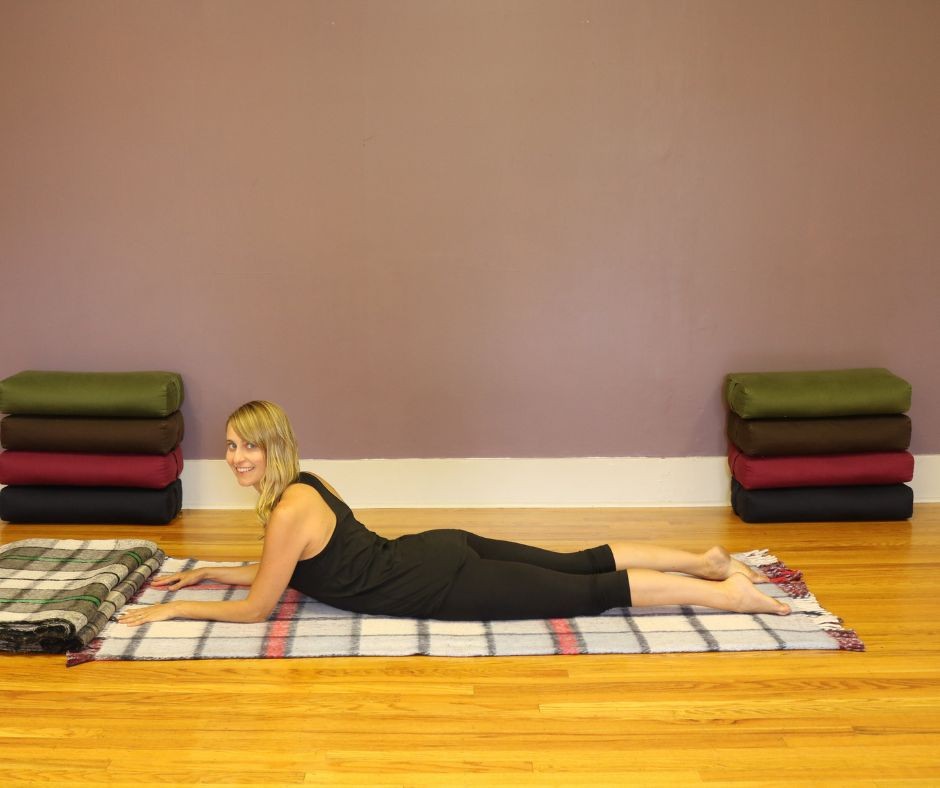
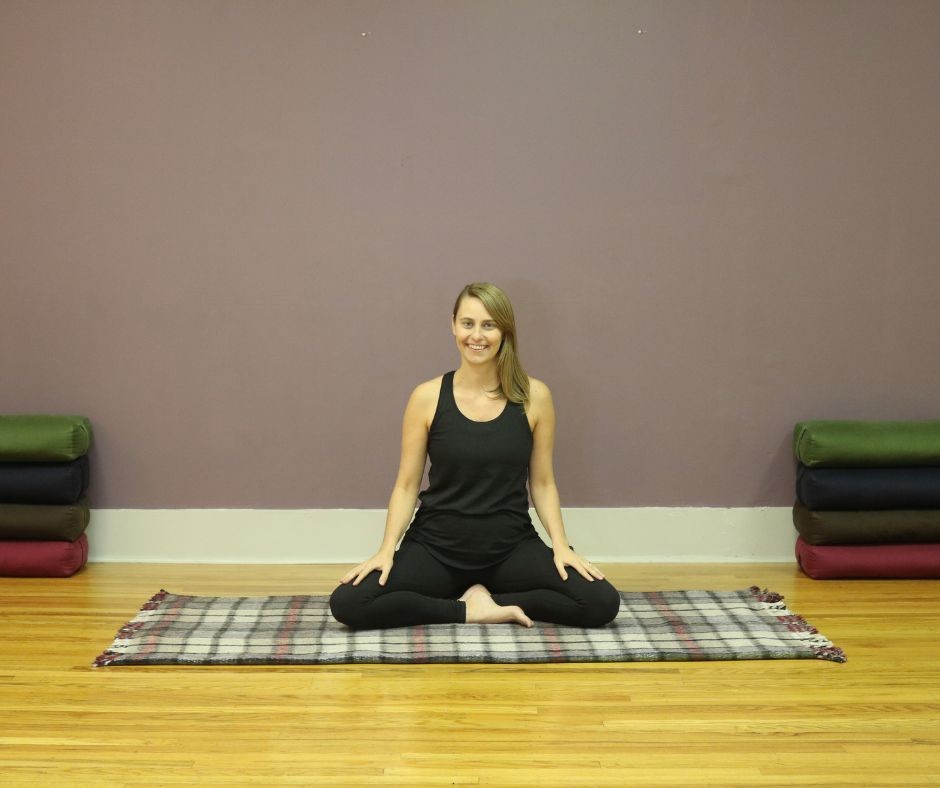
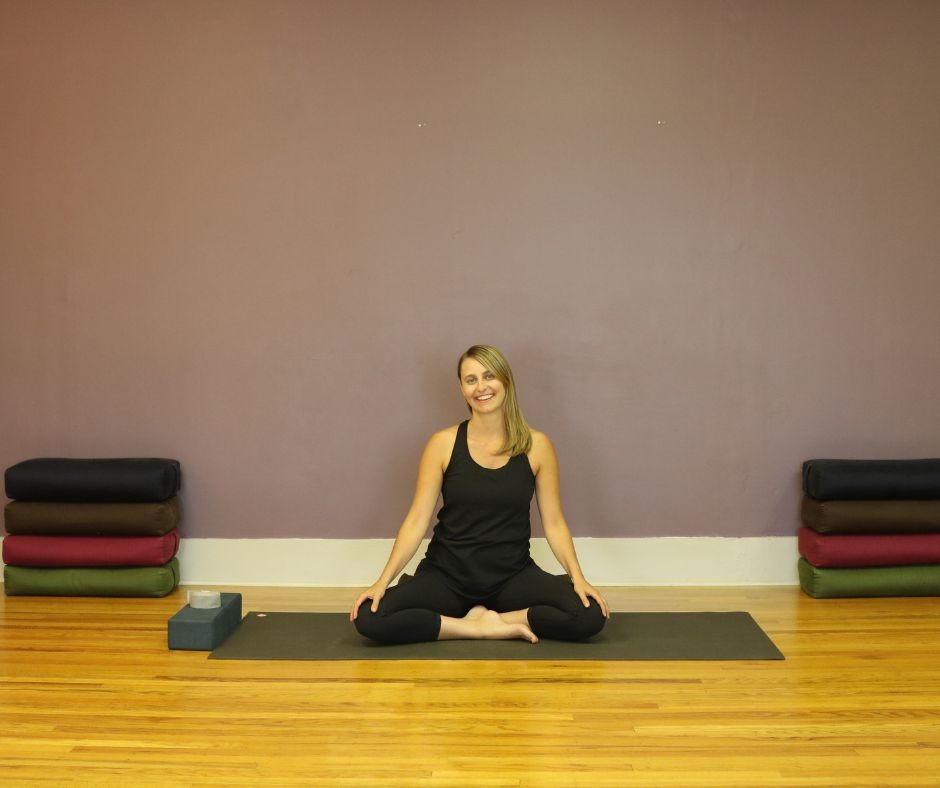
Practice along with this simple yin-yang yoga sequence to balance both yin and yang and sthira and sukha.

Yin Yang Yoga Sequence

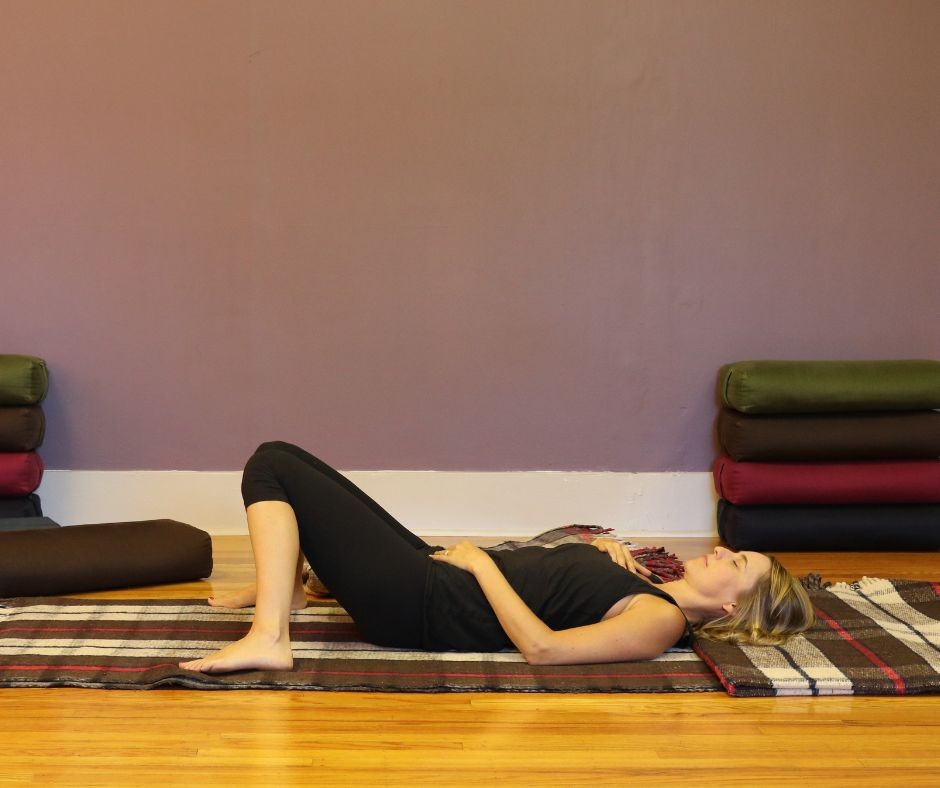
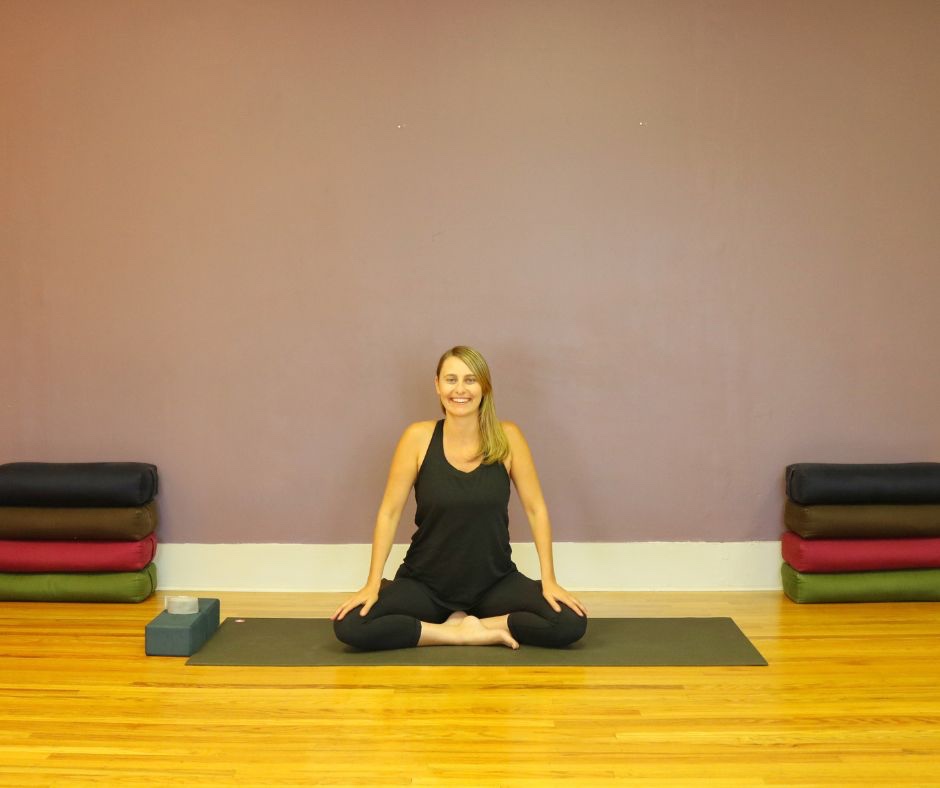
This practice is very gentle and a great choice for beginner yoga students. It starts with active movement and transitions to slower movement. I hope you enjoy!

According to Taoist philosophy, yin and yang arise from the “primordial source,” and they are used to describe characteristics found in nature. They are also relative terms. Something is only considered yin in relation to something more yang. For example, the moon is more yin than the sun, which is more yang.

These seemingly contrary forces interrelate with one another. Yin and yang create, control, and transform into one another.

Traditionally, yin and yang are described as the shady and sunny sides of the mountain. They can be thought of as phases of a cyclical movement (dark and light, activity and rest) or varying states of matter (expansion and contraction or rising and descending).

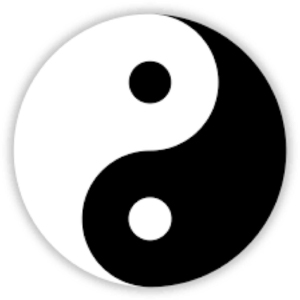
According to Taoist philosophy, everything has both yin and yang aspects. Within the yin-yang symbol, there is still a spark of yang on the yin side, and within the yang side, there is still a hint of yin.
Traditionally, yin and yang are described as the shady and sunny sides of the mountain. They can be thought of as phases of a cyclical movement (dark and light, activity and rest) or varying states of matter (expansion and contraction or rising and descending).

According to Taoist philosophy, everything has both yin and yang aspects. Within the yin-yang symbol, there is still a spark of yang on the yin side, and within the yang side, there is still a hint of yin.
Yin Yang Yoga and Yin Yang Qualities

According to Taoism and Chinese Medicine, health and well-being require a balance of yin and yang. Even within the body, yin and yang aspects are present. States of disease and health are also reflected through these two forces.

Today’s practice video starts with a few yang movements. Yang is more active, fiery, upward and outward-moving. Yang “stokes” the metabolic process. For instance, digestion and the beating of the heart rely on yang.

Yang qualities can be reflected in the yoga practice when we embody sthira, which is a word from the Yoga Sutras of Patanjali that describes steadiness.

After the yang movements, the yoga practice transitions to a few yin yoga postures. Yin is cool, slow, passive, downward, and inward-moving. For example, our body fluids and deeper tissues are yin (blood, lymph, bones). Learn more about yin yoga here.

Yin qualities can be reflected in the yoga practice through the embodiment of sukha, a word from the Yoga Sutras of Patanjali that describes ease.

Let me know in the comments how you embody yin and yang! Want to learn more about yin and yang? Check out this post on cooking with yin and yang.

Mindful Yin Yoga Foundations Online Training

Living Meditation Online Course

Share This Post:

More To Explore

How to use Chinese Medicine in your yoga practice

Did you know that Chinese Medicine and Ayurveda (the sister science of yoga) were almost certainly influenced by one another? Chinese Medicine ...
Read More →
blog post how to practice intention setting jennifer raye

How to Practice Intention Setting

Intention setting is used in many traditions to help one align with who they really are. In the Buddhist tradition, right intention ...
Read More →
blog post postures for meditation without pain jennifer raye

The key postures you need to know to meditate without pain

There are many postures available for the practice of meditation. Meditation can ultimately help you let go of unwanted tension and gripping. ...
Read More →
yoga for low back pain jennifer raye

Simple Exercises for Low Back Pain

In my private medical practice, lower back pain is among the most common areas of discomfort I treat. Many people will experience lower back pain ...
Read More →
blog post four movements to balance your yin yoga jennifer raye

4 movements to balance your yin yoga practice

Yin yoga has many benefits, but yin yogis also need to include active strength-based movement, so that the body and tissues remain balanced. Yin yoga ...
Read More →
blog post release the dorsal plane jennifer raye

Myofascial Meridians: Release the Back Body

Myofascial Planes The myofascial lines, meridians, planes, or sheaths provide a helpful map for understanding how positive and negative stress patterns are relayed and transferred ...
Read More →
Scroll to Top